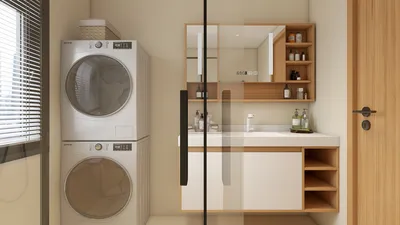


With the rise of game pass games, many gaming enthusiasts are transforming their living spaces into immersive entertainment hubs. Integrating comfortable seating and strategically placed lighting enhances the gaming experience, while modular furniture allows for adaptable layouts that accommodate both playtime and downtime. Creating a dedicated gaming zone within the home not only maximizes enjoyment but also contributes to a balanced lifestyle.
I once crafted a discreet litter cabinet for a client, who emphasized that the litter box should be "invisible from the couch"—however, the cat took a week to adjust. This experience taught me more about scent pathways and accessibility than any theoretical course could and underscored how challenges in small spaces can inspire innovative design solutions. When managing a compact apartment with a selective cat, smart spatial arrangements can significantly enhance your living environment.
1. Built-in Cabinet Litter Station
Transform underutilized cabinet space into a dedicated litter nook by using a tall, narrow cabinet with a cut-out entryway, fitted with washable trays and an overhead charcoal filter. This setup conceals odors and maintains a tidy appearance, but ensure you consider cleaning access—options like a pull-out tray or removable liners can simplify maintenance.
save pin
2. Pull-out Drawer Boxes
I’m a fan of pull-out drawers as they resemble furniture more than pet supplies. Position a spacious drawer beneath a console or bench so the litter box effortlessly slides out for easy scooping. Keep in mind the initial carpentry investment and make sure the drawer mechanisms can support the weight and litter spills effectively.
save pin
3. Corner and Vertical Solutions
In micro-apartments, corners are invaluable. Consider corner litter boxes or vertically arranged systems that utilize height rather than floor space, allowing for more walking room. You can even visualize how a corner arrangement would fit into your space prior to construction—using simple diagrams or 3D modeling concepts like ‘ Homestyler’ can help check clearances and ensure smooth traffic flow.
save pin
4. Multi-functional Furniture
My favorite recommendations for clients aiming for both style and functionality include benches with built-in litter compartments, side tables concealing trays, or pet-friendly ottomans. These pieces look elegant and cleverly hide litter, but be aware of compromises: airflow tends to be lower than with open boxes, so consider adding a small filter or discreet fan if your cat is amenable.
save pin
5. Odor and Ventilation Hacks
Odor can be a deal-breaker in limited spaces. I advocate for a multi-layered approach—quality clumping litter, a microfilter within the enclosure, a quiet exhaust fan, and washable mats can effectively tackle the issue. If you’re repurposing a kitchen cabinet, plan for proper ventilation and easy cleaning surfaces ahead of time since retrofitting later can be cumbersome.
save pin
FAQ
1. What is the best type of litter for small spaces?
Opt for clumping, low-dust litters or silica crystals, as they are effective in controlling odors and minimizing airborne dust. Experiment with a small bag first—some cats may be sensitive to changes in texture.
2. Are enclosed litter boxes good for apartments?
While enclosed boxes can conceal mess and odor, they may also trap smells and heat. Pair the box with a filter or small fan, ensuring the entrance is spacious enough for your cat's comfort.
3. How often should I clean a litter box in a small home?
Cleansing daily is essential, along with completely changing the litter according to product guidelines—usually weekly for clumping types. In compact areas, maintaining frequency is crucial for odor control.
4. Can I convert furniture into a litter station?
Absolutely—numerous clients successfully convert cabinets, benches, or sideboards into litter stations. Just be sure to include easy access for cleaning, washable surfaces, and adequate ventilation to minimize lingering smells.
5. My cat refuses new setups—what should I do?
Gradually introduce new litter boxes by placing the old one adjacent to the new and moving it slowly. Stick with the same litter type and keep the entry familiar; patience is crucial.
6. Do air purifiers help with litter odor?
Air purifiers equipped with activated carbon or HEPA-plus-carbon filters can effectively diminish odors and dust in the air, but they’re most effective when supplemented with proper litter management and enclosure filtration.
7. Are self-cleaning litter boxes suitable for small spaces?
They save time and help minimize odor, but require power, sufficient space for machinery, and sometimes more upkeep. Ensure careful measurements prior to purchase.
8. Where can I find reliable design ideas for tight pet-friendly homes?
For trustworthy advice on cat care and creating safe environments, resources like the ASPCA are invaluable (visit ASPCA.org). Additionally, tools enabling visual planning and space-saving concepts, such as ‘ Homestyler’, can greatly assist in modeling layouts before project execution.
save pin



Homestyler is your go-to online home design platform! With a user-friendly design tool, stunning 3D renderings, a variety of inspiring design projects, and helpful DIY video tutorials, you can effortlessly create and visualize your dream spaces. Start designing today!
Diseño ahora GRATIS
































