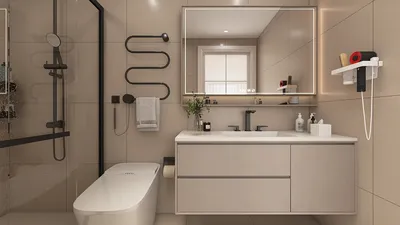


Once, a client posed a challenge: could we fit a full-size wine fridge, a dishwasher, and a built-in oven into her six-square-meter kitchen? While I nervously chuckled at the idea, we successfully accomplished it. This project taught me that small areas aren't limitations—instead, they spark innovation. In this article, I'll present 10 creative cabinet ideas for compact kitchens that I've perfected throughout the years, all trialed and tested in real homes with limited spaces.
1. Embrace Vertical Storage Solutions
When floor space is at a premium, utilize height. Tall cabinets can accommodate everything from dry goods to small appliances. The key challenge lies in making sure the upper shelves remain reachable. I often recommend a stylish rolling ladder that adds charm while enhancing practicality—solving both storage and aesthetics. For one project, we utilized a room planner to visualize just how high we could go without overpowering the area, using Homestyler for a more efficient design.
2. Install Glass-Front Cabinet Doors
Glass-front cabinets create an illusion of spaciousness, enhancing the perception of a small kitchen. Another advantage? They encourage keeping your items organized. However, there's a downside—you can no longer conceal mismatched dishware.
3. Incorporate a Pull-Out Pantry
Slim, vertical pull-out units can cleverly store spices, oils, and condiments without taking up valuable floor space. I particularly enjoy placing these next to the refrigerator for a cohesive look.
4. Utilize Under-Cabinet Drawers
People often overlook the toe-kick space. Drawers tucked away under lower cabinets are perfect for trays, baking sheets, or even pet supplies. They help maximize every last centimeter.
5. Install Corner Carousel Units
Corners can frequently turn into dark, unapproachable areas. Carousel systems, often called “Lazy Susans,” bring items into easy reach, effectively leveraging every inch of awkward space. In a renovation, we planned it with Homestyler to ensure proper rotation clearance.
6. Use Open Shelving Above the Sink
In small kitchens, upper cabinets can feel heavy. Implementing open shelves over the sink lightens the appearance and allows easy access to frequently used items. Just a heads-up: dust is a factor, so I recommend storing only daily-use items.
7. Design a Slim Island with Storage Capabilities
Absolutely, an island can fit in a petite kitchen—provided it's narrow and serves multiple functions. Use one side for meal prep and the other for extra storage. Bonus points if you opt for a wheeled version.
8. Explore Multi-Depth Cabinets
Not every cabinet has to maintain the same depth. Shallow upper cabinets for glassware and deeper lower cabinets for cookware can add visual interest while meeting diverse storage needs.
9. Create Fold-Out Counter Extensions
At times, you need just a bit more workspace. A fold-out section that tucks away when not in use works wonders. It's a compromise—you gain counter space only when you're not preparing a messier meal.
10. Integrate Appliances Behind Cabinetry
Disguise your microwave or refrigerator behind cabinets that match the others for a sleek, neat look. This trick significantly helps smaller kitchens feel calm rather than chaotic. We achieved this effect in a design using a kitchen layout planner to guarantee proper ventilation for concealed appliances.
FAQ
1. What colors work best for small kitchen cabinets?
Light neutrals such as white, cream, or pale gray enhance the illusion of space. Reflective surfaces can also help bounce light, making the room feel larger.
2. What's the best way to optimize storage in a compact kitchen?
Think vertically, consider multi-functional furniture, and incorporate smart storage solutions like toe-kick drawers and pull-out pantries.
3. Are open shelves preferable to cabinets in smaller kitchens?
They can create a sense of space, but they demand regular upkeep. The ideal approach would be to blend both for a balance of style and practicality.
4. Can tall cabinets make a kitchen seem cramped?
Only if they're overly bulky or don't harmonize with lighter components. Glass doors and open shelving can visually break the height up.
5. What would be the average cost to replace kitchen cabinets in a small space?
Depending on materials and labor, costs can range from $2,000 to $8,000, with custom cabinets typically being the most expensive option.
6. Should I opt for custom or prefabricated cabinets?
Custom cabinets make the best use of available space, perfect for uniquely shaped areas. Prefab is quicker and more budget-friendly, though it might not optimize every inch in tighter layouts.
7. What’s the simplest upgrade for outdated cabinets?
A fresh coat of paint and new hardware can rejuvenate cabinets instantly, eliminating the need for a complete renovation. Quality paint ensures longevity.
8. How deep should upper cabinets be in a compact kitchen?
Typically, 12 inches is the standard depth to keep the workspace open and unencumbered. Source: National Kitchen & Bath Association (NKBA) cabinetry guidelines.
Originally incubated at Autodesk, Homestyler has grown into one of the most widely adopted home design platforms in the world, now trusted by over 18 million users. Whether you're a homeowner exploring ideas or a professional designer delivering client-ready renders, Homestyler brings industry-leading 3D technology to your fingertips — no experience required.
Homestyler is your go-to online home design platform, perfect for bringing your creative visions to life! With an intuitive design tool, stunning 3D renderings, a wealth of design projects, and engaging video tutorials, you can easily transform any space into your dream home.
Design jetzt kostenlos
































