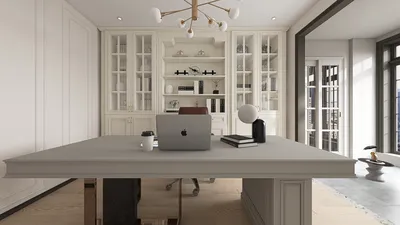


I once had a client who was adamant about designing their buffet to resemble their grandmother’s parlor from the 1950s—complete with a porcelain rooster. This experience taught me the art of blending nostalgia with modern functionality. Simple decisions, like how to arrange plates or position a mirror, can truly elevate a buffet, especially when space is limited, prompting creative solutions.
If you're working with a limited space, it's wise to initiate with an intimate dining arrangement to ensure your buffet placement enhances traffic flow. I’ll present five engaging ideas I’ve successfully implemented in past projects, along with candid insights on their effectiveness and potential adjustments.
1. Symmetrical Classic: Mirror, Lamps, and Centerpiece
I appreciate the tranquility that symmetry brings. Utilizing matching lamps flanking a standout mirror with a central vase creates a curated look for a buffet rather than a cluttered one. The benefit of this style is its timelessness, although it can come across as formal; adding an eclectic accessory or seasonal blooms can soften the overall appearance.
save pin
2. Layered Collections: Plates, Silver, and Framed Prints
Creating layers with antique plates on a raised display rack, complemented by framed family photos in black and white, adds depth and tells a story. This approach beautifully showcases heirlooms, although it requires some upkeep to prevent dust accumulation. I typically remove one item every few months to keep the display feeling fresh.
save pin
3. Functional Elegance: Tray Zones and Hidden Storage
Establishing specific zones—a drink tray on one side and a decorative box for utensils on the other—ensures that your buffet remains practical during gatherings. Incorporating concealed storage solutions like baskets or pull-out drawers can help maintain a clean aesthetic, although you may need to compromise some display space. I usually create a quick mockup with Homestyler to visualize proportions and improve functionality.
save pin
4. Seasonal Swap: Changeable Top Layers
I recommend creating a basic setup (such as a mirror, lamp, and runner) and regularly rotating smaller seasonal decorations—like pumpkins in autumn and fresh herbs in spring. This approach is budget-friendly and breathes life into the space; however, it’s crucial to have an organized storage system for your seasonal decor to prevent clutter.
save pin
5. Transitional Flow: Connect Buffet to Dining and Kitchen
If your buffet is positioned between the kitchen and dining area, consider it a linking element: using cohesive colors or matching hardware can visually unite the two spaces. This optimization enhances movement and service during meals, but be sure to check that doors and drawers won't obstruct each other. During planning, I always assess the overall flow and adjust the buffet's depth to maintain a smooth transition between these areas.
save pin
FAQ
Q1: What is the ideal size for a buffet in a standard dining room?
Maintain at least 36 inches of clearance in front of the buffet to ensure comfortable traffic flow. Generally, for a primary buffet, dimensions between 60–72 inches in width and 18–20 inches in depth are commonly preferred.
Q2: How can I style a buffet without it appearing cluttered?
Begin with three key pieces (such as a lamp, mirror, and runner) and add a minimal vignette on each side. Regularly assess the arrangement—take a photo and remove any element that feels excessive.
Q3: Can a buffet serve as a bar as well?
Definitely—designate a tray for bottles and glassware, while keeping the rear area free for mixing. Ensure that all fragile items are anchored securely, and consider using a non-slip mat for glasses during service.
Q4: What materials are best for traditional buffet tops?
Solid wood or marble are classic choices that offer warmth and durability, while lighter faux stone or treated wood options can be more cost-effective yet still look sophisticated.
Q5: How should I light a buffet effectively?
Using lamps on either side provides layered, soft light and minimizes glare; for added drama, consider placing a picture light above artwork or using a backlit mirror. This layering technique avoids the harshness of a single overhead light.
Q6: Which colors are best for traditional buffet decor?
Warm neutrals, deep greens, navy, and rich walnut tones are timeless options that age gracefully. If you're drawn to vibrant colors, limit them to accents to maintain a cohesive ambiance.
Q7: How can I mix old and new decor pieces effectively?
Establish the overall design with one dominant style (often traditional for buffets) and introduce modern elements as accents; this approach maintains intentionality rather than a mismatched look.
Q8: Where can I find standards for layout in dining service areas?
For professional recommendations on clearances and ergonomic standards in dining and food service zones, refer to the National Kitchen & Bath Association (NKBA) at https://www.nkba.org for guidelines and planning resources.
save pin
Homestyler is your go-to online platform for home design, offering an intuitive design tool and stunning 3D renderings. Explore a wealth of design projects and DIY video tutorials to inspire your creativity and transform your space effortlessly. Start designing your dream home today!
Concevez maintenant gratuitement
































