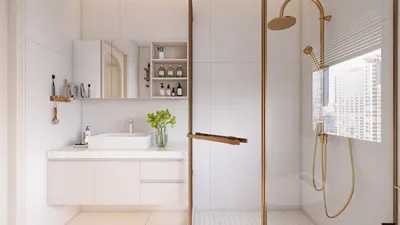


Once, I decided to paint a compact ensuite entirely in black at a client's request, as they believed it would create a 'cinematic' atmosphere. I nearly hesitated as I applied the final coat. A simple layout study rescued the situation; I quickly sketched a layout and repositioned the lighting and fixtures before the paint set. That instant planning transformed what could have been a disaster into a cozy, dramatic area. Leveraging tools like Homestyler can help visualize such spaces before committing to the final design.
Small interiors can indeed inspire creativity instead of stifling it. In this article, I'll share five inspirations for using black paint on walls that I apply in real projects, along with practical advice on what works, what pitfalls to avoid, and budget-friendly hacks you can implement this weekend using tools such as Homestyler.
1. Matte Black Accent Wall to Frame a Feature
Utilizing a single matte black wall to anchor furniture like a bed, sofa, or gallery can be quite effective. The matte finish conceals imperfections and appears soft in gentle light, which makes the surface forgiving if your plaster isn't ideal. However, the drawback is maintenance, as matte surfaces tend to show marks easily. Consider incorporating washable features such as mounted shelves or rails to minimize scuff marks.
save pin
2. Black Behind Open Shelves for Depth
Painting the wall behind open shelving in black enhances the visibility of items displayed and adds depth without the need to paint the entire room. This approach is cost-effective as it requires only small sections to be painted and works beautifully with wooden or brass elements. The challenge is to maintain balance: if too much black is used, the space may feel heavy. Therefore, it’s wise to keep nearby walls lighter or add reflective materials.
save pin
3. Half-Height Black for Proportion Play
In narrow spaces, I frequently opt to paint only the lower half of the wall black while keeping the upper half light; this technique effectively grounds the room and imitates simple wainscoting. It introduces dramatic flair while allowing light to flow, but you should be mindful of the trim color—white or warm off-whites typically provide the best contrast. When determining kitchen layouts or compact spaces, I often consult kitchen layout ideas using Homestyler to align cabinet heights and backsplashes with the painted areas.
save pin
4. Black Ceilings for Intimacy
Consider painting a low ceiling black; this can cultivate a cocoon-like ambiance that is unexpectedly stylish. Though it’s a bold choice that may not suit everyone, if there isn’t adequate lighting, it can make a space feel smaller. However, with layered lighting and a few shiny accents, it can feel luxe rather than cramped. A cost-effective approach is to start with smaller features, like above a reading nook or shower, before tackling the entire ceiling.
save pin
5. Patterned Black Accent Using Stencils or Tape
If painting in solid black seems daunting, consider patterns—use painter’s tape or stencils to create geometric bands, chevrons, or framed murals. Patterns can diffuse the intensity and allow you to manage the scale effectively. For presentations, I frequently generate mockups and show clients 3D rendered examples in Homestyler to convey the contrast before any paint touches the wall.
save pin
FAQ
Q: Is black wall paint suitable for small rooms?
A: Yes—when used thoughtfully (as an accent wall, half-height, or patterned), black can add depth and drama without reducing the sense of space. Light surfaces and reflective finishes will help maintain brightness.
Q: Which paint finish works best for black walls?
A: Matte or eggshell finishes are popular for their moody aesthetics, while satin is easier to maintain. According to Benjamin Moore, flat/matte finishes conceal imperfections whereas glossier options are more durable in high-traffic areas.
Q: How do I prevent a black room from feeling too dark?
A: Layer various types of lighting—ambient, task, and accent—along with adding mirrors, metallics, or light-colored fabrics to reflect light throughout the area. Warm light bulbs will enhance the cozy effect of black instead of making it feel cold.
Q: What colors pair best with black walls?
A: Warm woods, soft creams, ochres, and muted greens provide rich contrast. For a modern vibe, consider pairing black with crisp whites and brushed metal accents.
Q: Can I use black paint in a bathroom?
A: Certainly—opt for satin or semi-gloss for moisture resistance and cleanability. Combining dark tiles with black paint can create a spa-like feel when balanced with light fixtures and reflective elements.
Q: Will black absorb heat or fade more quickly?
A: Dark colors do absorb heat, but interior walls rarely suffer, unless directly exposed to sunlight; if the wall receives intense sun, using UV-resistant paint is advisable. Fading primarily depends on the quality of the pigment, so choose trusted brands.
Q: Any tips for DIY application?
A: Always start with a primer, utilize quality brushes or rollers, and apply at least two coats for consistent coverage. It's wise to test a large swatch in various lighting situations throughout the day before making a decision.
Q: How much does a black accent wall cost?
A: Costs can differ based on paint quality and room dimensions; creating a small accent wall can be quite budget-friendly—consider the price of paint, tape, and primer. For intricate patterns or complete ceilings, allow additional time or consider hiring a professional for a polished finish.
Discover the ease of home design with Homestyler! This online platform features a user-friendly design tool, stunning 3D renderings, a variety of design projects, and helpful video tutorials. Whether you're a beginner or an experienced designer, Homestyler makes transforming your space effortless and inspiring!
تصميم الآن مجانا
































