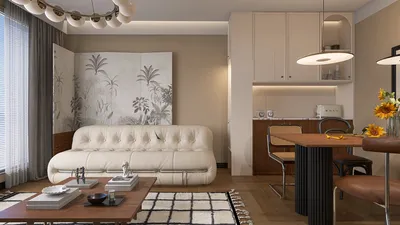


With over a decade of experience in interior design, I have watched a myriad of trends cycle through, yet the black sofa has remained a classic staple. This year, the rising trends are cozy minimalism coupled with striking contrasts, and I consider a black sofa to be the ideal foundation for such designs. Particularly for compact living spaces, implementing strong focal points can be incredibly beneficial; a black sofa can ignite significant design innovation. Today, I’ll unveil 10 creative decorating strategies centered around a black sofa, combining my insights with solid expert data.
1. Minimalist Monochrome Balance
My Insight: In a project where I designed a studio apartment, I utilized a monochromatic scheme of black, white, and grey, featuring the black sofa as the centerpiece. The outcome was an environment that felt tranquil yet impactful.
Advantages: Using a monochrome color scheme creates a unified and surprisingly expansive feeling, particularly advantageous in smaller living areas. Incorporating black-and-white decor fosters continuity and visual harmony.
Disadvantages: The absence of texture or warmth may yield a cold atmosphere, and your friends might humorously compare it to a ‘film noir set.’
Suggestion: Alleviate the darkness with layered rugs or minimalist decor ideas for the black sofa that introduce subtle variations in hue.
2. Warm Wood Elements
My Insight: During one urban loft project, I discovered that pairing a matte black sofa with walnut shelves enriched the ambiance, making it feel much cozier.
Advantages: Wood tones infuse warmth and a natural element, softening the bold presence of the sofa. This combination works wonderfully in both Scandinavian and Japandi design styles.
Disadvantages: Using too many wood finishes can create visual clutter; it’s best to stick with one or two wood tones to maintain a cohesive look.
3. Bold Color Accents
My Insight: For a couple’s apartment, I styled a black sectional with vibrant teal cushions and a mustard throw, which instantly elevated the energy of their living space.
Advantages: Black enhances bright colors, infusing vibrancy without overpowering the space. According to Pantone’s 2024 color guide, jewel tones are juxtaposed beautifully with neutrals.
Disadvantages: Excessive use of primary colors can compete with the presence of the sofa, leading to a cluttered aesthetic.
4. Gallery Wall Feature
My Insight: I've observed that positioning a black sofa beneath a curated art wall creates an elegant, museum-like impression in the home.
Advantages: Dark seating directs attention upward to artwork, showcasing your individual style. This approach is particularly favorable for renters seeking impactful yet non-permanent solutions.
Disadvantages: Ineffective hanging strategies (too high or too low) can negate the intended effect. Always keep the central piece of art at eye level.
5. Metallic Touches
My Insight: While decorating a city penthouse, I paired gold side tables with a black velvet sofa to instantly evoke a sense of luxury.
Advantages: Metallic finishes reflect light beautifully, creating an appealing contrast against dark upholstery and serving as glamorous focal points.
Disadvantages: Overdoing metallics risks veering into overly flashy territory; a subtle shimmer is often sufficient.
6. Layered Textures
My Insight: In my own living area, I combine a black leather sofa, a faux fur throw, and linen cushions; guests frequently compliment its inviting coziness.
Advantages: A mix of textures reduces visual weight and introduces a comforting, tactile quality. This diverse approach enhances depth in design.
Disadvantages: A plethora of competing textures can lead to a cluttered appearance. Aim to use a palette of 3-4 material types for balance.
Suggestion: Blend materials such as leather, knitted throws, and wooden coffee tables for a harmonious composition.
7. Airy and Bright Environments
My Insight: I enjoy combining dark sofas with light-colored walls and breezy curtains; I once turned a dim room into a welcoming retreat using this method.
Advantages: This arrangement maximizes natural light, countering the heaviness of the dark sofa. As noted by Architectural Digest, lighter walls can enhance the perception of space.
Disadvantages: The space may feel too stark if mid-tones are neglected.
8. Playful Patterns
My Insight: In a bohemian redesign, I harmonized a black sofa with patterned cushions, rugs, and a standout chair — clients were thrilled with the vibrant atmosphere.
Advantages: Patterns add life and character, breaking from monotony. Black serves as a grounding element for various styles.
Disadvantages: Mixing patterns requires careful attention to scale and color to avoid chaos.
9. L-Shaped Arrangement for Better Flow
My Insight: In a compact living room, I rearranged the black sofa into an L-shape with a chaise, creating more walking space without sacrificing seating comfort.
Advantages: This layout enhances space flow and seating comfort, making it ideal for family rooms that require versatile configurations.
Disadvantages: A large L-shaped setup might dominate a very small area; ensure at least 90 cm clearance around main pathways.
Suggestion: Explore how an L-shaped arrangement can improve both aesthetics and functionality in snug spaces.
10. Incorporating Greenery for Harmony
My Insight: I frequently place a tall plant beside a black sofa; the dark fabric makes the greenery stand out like a piece of art from nature.
Advantages: Plants introduce life, purify the air, and soften the starkness of dark furniture. Research shows they can even reduce indoor stress levels.
Disadvantages: Some plants demand extensive care; opt for varieties that thrive in low light for ease.
Suggestion: In modern apartments, combining greenery with biophilic-inspired decorations can enhance the connection to nature.
Conclusion
A black sofa is more than just a piece of furniture; it’s a design powerhouse. Whether your living room is small or spacious, with the right styling, it can evoke a sense of grounding and expressiveness. Elle Decor highlights that smaller spaces often inspire the most ingenious design solutions. Which of these ideas will you implement first?
FAQ
1. Is a black sofa appropriate for a compact living room?
Absolutely — when paired with light-colored walls and ample lighting, a black sofa can give small spaces a polished feel rather than constricting it.
2. What colors complement a black sofa best?
Neutrals, jewel tones, and warm wood hues pair beautifully with black, offering either contrast or harmony.
3. How can I enhance the coziness of a black sofa?
Layer different textures — utilize knitted throws, linen cushions, and soft rugs to introduce depth and warmth.
4. Is it possible to mix patterns with a black sofa?
Yes, but balance is key. Black serves as an anchor for patterns, preventing chaotic visuals.
5. What wall colors are suitable for black furniture?
Light neutrals like white, beige, or light grey keep the atmosphere airy; deeper greens or blues can add dramatic flair.
6. Does a black sofa fade with time?
Quality upholstery resists fading; however, it's best to keep fabrics out of direct sunlight to prolong their lifespan.
7. Are black sofas difficult to maintain?
They are good at hiding stains but can reveal dust or pet hair. Regular vacuuming helps keep them looking fresh.
8. How can I lighten a room with a black sofa?
Incorporate reflective surfaces, choose light paint colors, and utilize thoughtful lighting strategies. Introducing plants can also brighten up the space — refer to the black sofa styling ideas above for inspiration.
Looking to transform your home? Homestyler is your go-to online design platform! With its user-friendly design tool, stunning 3D renderings, and a wealth of inspiring projects and video tutorials, you can effortlessly create your dream space—no prior experience needed!
Progetta ora GRATIS
































