

I once attempted to create a macramé light fixture but ended up crafting a chandelier that resembled a bird's nest entirely. The important takeaway here is to experiment with scale on paper beforehand and utilize a 3D visualization tool like Homestyler to preview placement before embarking on a full project. In smaller spaces, innovative thinking becomes a necessity, often leading to some of my most cherished design solutions.
1. Fabric-Wrapped Headboard
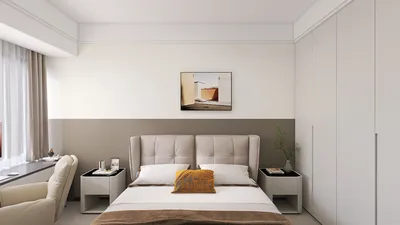
A fabric-wrapped headboard is one of my favorites as it brings softness to the room while concealing uneven walls. It’s an economical option, particularly favorable for renters who can opt for removable batting and velcro. The only challenge lies in achieving the correct tension to ensure it appears neat and not bumpy.
save pin
2. Upcycled Nightstand with Decoupage
I managed to transform an unattractive pine bedside table into a lovely piece using just a $10 can of chalk paint along with decoupage from printed tissue paper — a true budget triumph. This approach adds unique character, allowing you to coordinate patterns with your bedding, but it's crucial to ensure proper sealing or it may peel with regular use.
save pin
3. Floating Shelf Gallery for Small Displays
Floating shelves are ideal for showcasing a curated assortment of crafts, plants, and photographs without taking up precious floor space. I suggest using staggered, slender shelves so that your display resembles an art piece. Just keep in mind stud locations and weight limits, and for planning the layout, consider a digital tool like Homestyler to test how space will flow.
save pin
4. Textile Wall Panels for Texture and Sound
Creating simple framed textile panels is my go-to strategy when a room sounds too echoey or feels plain — you can repurpose thrifted rugs or fabrics of personal significance. This not only adds warmth to the space but also subtly enhances acoustics. However, it's important to mount them securely and in proportion to the wall to prevent an awkward look.
save pin
5. DIY Lighting with Handcrafted Shades
I love crafting lampshades using paper or metal hoops wrapped in fabric; they create that cozy, layered lighting ambiance I always strive for. While there is a minor safety learning curve involved (use appropriate lamp kits and materials that can handle heat), combining a shade with smart bulbs can have a significant impact at a low cost. You can even utilize AI-driven home design with Homestyler to see how lighting choices influence your color selections.
save pin
FAQ
Q1: What are easy crafts for bedroom decor for beginners?
A: Beginners can start with fabric-wrapped frames, simple macramé plant hangers, or painted terracotta pots. These options require minimal tools and provide quick visual gratification.
Q2: How can I make crafts renter-friendly?
A: Opt for removable adhesives, velcro, and lightweight hanging systems to avoid drilling; choose decor pieces that can stand on their own when possible.
Q3: What materials are best for safe DIY lighting?
A: It's best to use heat-resistant materials, suitable lamp kits that meet the bulb wattage requirements, and LED bulbs that operate cooler. Always adhere to the manufacturer’s guidelines for the kits.
Q4: How do I choose colors for small bedrooms?
A: Lighter and warmer neutral tones can open up a space, while a single small accent in a deeper hue adds dimension; test paint swatches on the wall and observe them throughout different times of the day.
Q5: Can crafts improve bedroom acoustics?
A: Absolutely — textile panels, rugs, and layered fabrics can absorb sound and diminish echo, contributing to a calmer and cozier bedroom environment.
Q6: What’s a low-cost way to add texture?
A: Thrifted fabrics, woven baskets, and DIY macramé can effectively add texture on a budget, allowing for creative material repurposing.
Q7: Are there safety resources for DIY electrical projects?
A: When undertaking any wiring beyond plug-in lamp kits, it’s best to consult local regulations or hire a licensed electrician; the National Electrical Code (NEC) along with local building authorities are reliable sources for safety standards.
Q8: Do lighting choices affect sleep?
A: Yes — exposure to bright, blue-rich light at night can interfere with circadian rhythms; opting for warm, dimmable bulbs in the evening can help your body prepare for sleep (Source: National Sleep Foundation, https://www.sleepfoundation.org/).
Discover your dream space with Homestyler! This user-friendly online design platform offers a powerful design tool, stunning 3D renderings, and a wealth of inspiring DIY video tutorials. Whether you're a novice or a seasoned pro, Homestyler makes home design easy and enjoyable.
Desain sekarang Gratis
































