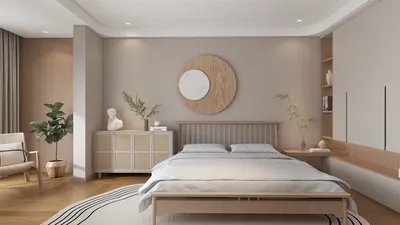


I once assisted a couple aspiring to create a "bright new bedroom," but they overlooked mentioning their cat needed a cozy window perch. This oversight became a point of contention during the framing phase. Through that little chaos, I learned that even minor bedroom modifications compel you to consider essential details: light, storage, and how both humans and pets inhabit the space. For friends who are short on room yet brimming with aspirations, I will share five creative bedroom addition ideas I have successfully implemented, complete with honest advantages, minor challenges, and practical advice to keep expenses manageable. If you enjoy visualizing concepts, begin by using Homestyler to create room layouts and test configurations before engaging in any construction.
Dormer or Attic Conversion
Transforming an underutilized attic into a bedroom is one of my favorite clever enhancements—altering the roofline adds character while leaving your yard untouched. The benefits include cost savings when compared to a full foundation, plus ample light from dormer windows. However, be aware of potential drawbacks such as low eaves, the need for insulation, and occasionally complicated HVAC routing. I once revamped a quiet attic into a charming guest bedroom with built-in storage nestled beneath the slope, so ensure you allocate budget for insulation and stair improvements.
Bump-Out Addition
A bump-out extends an existing wall by a few feet and can have a surprisingly significant impact: it produces additional usable space without the bureaucratic headaches of a full addition permit in certain areas. This approach tends to be quicker and more cost-effective than a complete foundation expansion. It's ideal for enlarging a cramped bedroom or crafting a walk-in closet, although one should be mindful of roof tie-ins and drainage challenges. For those on a tighter budget, a bump-out measuring 3 to 6 feet adjacent to an exterior wall frequently yields the best cost-per-square-foot results.
Master Suite Over Garage
Constructing a bedroom above the garage provides a sense of separation and tranquility, which I have done for clients looking for a serene retreat above street noise. The advantages include significant added square footage without expanding the home's footprint. However, be prepared to tackle soundproofing concerns and possibly reinforce the garage's roof structure. In one project, the homeowner appreciated the view, but we had to upgrade the garage ceiling and install new mechanicals—factor that into your budget and scheduling. If sketching is your preference, utilize Homestyler to create your floor plan and visualize the necessary structural modifications before enlisting contractors.
Basement Bedroom Addition
Converting a portion of a basement into a bedroom is often the most economical option, especially if you have a compact lot or aim to create a rental space. This can significantly enhance your home's value and usable square footage. However, always consider egress window requirements, moisture control, and ceiling height limitations. I recommend implementing a dehumidifier alongside a clear strategy for egress windows early in the design stage to prevent last-minute concrete work.
Rear or Side Yard Extension (Bungalow-Style)
If zoning permits, a rear or side yard extension can create a naturally bright bedroom with large windows and direct access to the backyard—think French doors or a small outdoor deck. This design can feel luxurious and practical, yet it is typically the most costly option due to foundation and exterior finishing requirements; sometimes, you'll need the neighbors' approval depending on setback regulations. For fans of open-plan living, combining the addition with sliding doors helps the new bedroom blend seamlessly with the landscape; if your kitchen is nearby, aligning the design with your kitchen layout will minimize future alterations.
FAQ
What is the cost range for a bedroom addition? Costs can fluctuate considerably based on location, size, and finish selections; anticipate expenses ranging from $30,000 for a simple bump-out to over $150,000 for a comprehensive master suite with premium finishes. I always recommend obtaining at least three quotes and considering a contingency of 10-20% for unforeseen costs.
Is a permit necessary for adding a bedroom? Most regions mandate permits for additions, structural modifications, and new egress windows; confirm with your local building authority prior to starting any project. The International Code Council (ICC) offers model codes adopted by various municipalities: https://codes.iccsafe.org/ (see the IRC for residential regulations).
What is the typical timeline for a bedroom addition? A small bump-out generally requires 4 to 8 weeks, while a full master suite addition often spans 3 to 6 months, including design and inspection periods. Weather conditions, unexpected structural challenges, and permit delays frequently disrupt timelines.
Can I add a bedroom without expanding the home's footprint? Absolutely—both attic conversions and basement finishings allow for new bedrooms without increasing the property’s footprint, but they may incur hidden expenses such as insulation, structural reinforcements, or egress compliance. I always advocate for an early structural assessment during the planning phase.
Regarding closet additions—will I need to alter the floor plan? Sometimes, a simple bump-out or reconfiguring an adjacent room can create a walk-in closet without extensive renovations. Built-in solutions and storage under stairs are budget-friendly options that can emulate the luxury of a traditional closet.
Will a bedroom addition boost my home’s resale value? Well-designed bedroom additions generally enhance property value, particularly those that increase functional bedrooms or introduce a master suite; nevertheless, over-improving relative to your neighborhood may limit return on investment. Consulting with a local realtor for comparable sales can help set practical expectations.
What energy or HVAC issues should I be aware of? New spaces necessitate correctly sized HVAC systems, insulation, and sometimes distinct zones to avoid comfort discrepancies. I advise engaging an HVAC expert to conduct a load calculation prior to finalizing wall and window designs.
Should I hire an architect or collaborate with a contractor? For intricate rooflines, second-story additions, or projects impacting structural frameworks, enlisting an architect or seasoned designer is advisable. However, for simpler bump-outs or basement renovations, a qualified contractor with strong references may suffice. If you value visual communication, consider using Homestyler to craft visual room plans to facilitate discussions with professionals.
Homestyler is your go-to online home design platform, perfect for anyone looking to transform their space. With a user-friendly design tool, stunning 3D renderings, diverse design projects, and helpful DIY video tutorials, you can effortlessly bring your creative vision to life!
立即免费设计
































