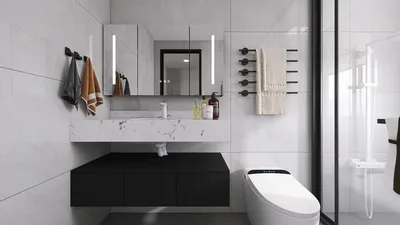


I once assisted a client who envisioned their bathroom window sill as a 'mini spa' — adorned with candles, a miniature Buddha statue, and a cascading fern. While the result was chaotic initially, I soon grasped how an appropriately designed sill can transform disorder into serenity. From this experience, I compiled a list of strategies; even small window sills can inspire significant design changes. Check out my bathroom ideas gallery that showcases visuals and layouts I developed for clients, enriched by the capabilities of tools like Homestyler.
1. Transform the sill into a shallow planter
I enjoy utilizing a recessed, waterproof sill as a narrow planter — ideal for humidity-loving plants such as spider plants, ferns, or English ivy. The advantages include adding greenery and enhancing natural humidity control; however, the downside is the need for thorough waterproofing and pots with excellent drainage to prevent decay.
Budget suggestion: opt for terracotta pots with saucers and a slim tray below to catch excess water — a simple and economical solution, but ensure you apply silicone seal along the inner sill edge.
save pin
2. Incorporate hidden storage under the sill
When space is limited, I frequently design a shallow drawer or pull-out shelf directly beneath the sill for stowing spare soaps, razors, or towels. This design keeps the edge uncluttered and adds a touch of luxury to compact bathrooms. Just be aware that a deeper drawer may reduce knee space, so it's best to keep it under 6 inches for comfort.
Material hint: moisture-resistant plywood or MDF with a waterproof veneer is durable when sealed properly around the edges.
save pin
3. Design a fold-down vanity or seat on the sill
In studio bathrooms, I've incorporated a hinge-based, fold-down surface from the sill that works as both a vanity and a shaving seat. This setup is perfect for morning routines and doesn't require additional floor space. I typically create a quick layout sketch to verify clearance and sightlines, which alleviates much of the uncertainty.
Be cautious: the hinge should be marine-grade or stainless steel to combat corrosion, and a support bracket locking horizontally is essential to prevent wobbling.
save pin
4. Create a waterproof display ledge with tile
Applying decorative, water-resistant tiles to the sill can transform it into a visually striking ledge that resists stains and splashes. This approach is ideal when a client desires a bold accent while maintaining functionality. The only drawback is grout maintenance; epoxy grout is an excellent choice for low-maintenance upkeep.
Quick case example: in one renovation, I used honed porcelain tile that matched the shower wall — it was low maintenance and visually expanded the window area.
save pin
5. Plan in 3D before proceeding with construction
I consistently propose a quick 3D mockup to clients when the sill serves multiple functions — especially when including lighting, drainage, or hidden storage. Visualizing the sill from various perspectives helps identify possible issues with faucets or towel bars before they can lead to costly errors. For polished client presentations, a 3D model is well worth the minimal investment, especially with the help of Homestyler.
It’s a genuine task: sometimes the render reveals that the concept appears cramped, prompting us to adjust our plans accordingly, which mitigates future complications.
save pin
FAQ
Q1: What depth should a bathroom window sill have to accommodate plants or trays?
A: Aim for a minimum of 4 to 6 inches of usable depth for small pots and trays; 8 to 12 inches offers more versatility for larger planters or built-in storage. If depth is limited, consider using slim pots or a shallow tray setup.
Q2: How can I protect a wooden sill from moisture?
A: Apply a waterproof primer on all surfaces and at least two coats of marine-grade varnish or polyurethane designed for wet areas. Also, run a silicone bead along the joints where the sill meets the wall to prevent water damage.
Q3: Is it possible to grow plants on a bathroom sill with limited light?
A: Absolutely — select low-light tolerant species such as pothos, snake plant, or ZZ plant, and rotate them occasionally. If natural light is very restricted, consider incorporating a small, energy-efficient LED grow strip that’s discreet.
Q4: Can a sill be a substitute for ventilation instead of a fan?
A: It varies. According to the International Residential Code (IRC), a bathroom window must offer an operable opening equal to at least 3% of the room's floor area to satisfy natural ventilation guidelines; otherwise, a mechanical exhaust system is necessary (refer to IRC §R303.3). Always check local code for exact requirements.
Q5: Are stone or engineered stone sills advisable?
A: Engineered stone and sealed natural stone are great for durability and moisture resistance, but they may come at a higher cost and weight. Ensure the supports can accommodate the load and use a sealed edge to prevent long-term staining.
Q6: What’s the best way to maintain grout and caulking on a sill?
A: Regularly clean with a mild grout cleaner; refresh caulk every few years, or sooner if you notice cracks. Epoxy grout can provide superior stain resistance for lower maintenance.
Q7: What is a budget-friendly upgrade for a sill?
A: Paint the existing wooden sill with a moisture-resistant topcoat, add a slim tray for plants, and introduce a new set of small pots — rejuvenating the entire look for under a hundred dollars in many instances. Small lighting options like stick-on LED strips can instantly enhance the ambiance at a minimal cost.
Q8: Is a permit needed for altering a window sill?
A: Minor interior modifications typically do not necessitate permits, but any structural alterations, window relocations, or changes affecting egress or ventilation may require approval. When in doubt, consult local building authorities or a licensed contractor.
save pin
Looking to transform your space? Homestyler is your go-to online home design platform! With its user-friendly design tool, stunning 3D renderings, inspiring design projects, and helpful video tutorials, you can effortlessly create and visualize your dream home—perfect for both beginners and enthusiasts alike!
Diseño ahora GRATIS
































