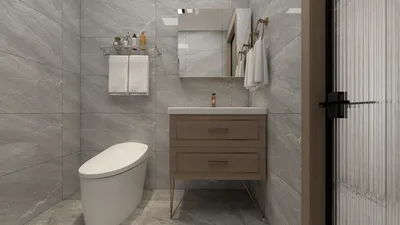


I had a client who once requested a bassinet fit into a snug 60 cm alcove, literally wedged between the kitchen counter and the coat rack. In that moment, I almost ended up measuring the baby instead of the available space! However, that tiny-design challenge turned into one of my most cherished victories: when faced with limitations, creativity thrives. If you are struggling to find room for a bassinet in a compact apartment, this article presents five practical inspirations I've implemented — ranging from layout modifications to versatile furniture. It highlights how a bit of constraint can trigger substantial creativity. For a visual reference, take a look at my own space-saving nursery layout: space-saving nursery layout.
1. Wall-mounted bedside bassinet
I really appreciate the concept of a bedside bassinet that can be affixed to a wall or headboard. This solution keeps the baby close by without consuming precious floor space. The benefits are evident — it clears up walkways and enables the crib area to be used for storage or a cozy reading nook. However, it is crucial to ensure that there is a solid wall available and that safety anchors are meticulously installed. On one occasion, I mounted one above a low drawer unit and utilized the drawer for diaper storage, effectively saving both money and square footage.
save pin
2. Transform a dresser into a bassinet station
Converting a slim dresser into a bassinet station provides not only a sleeping surface but also immediate diaper-changing resources. This approach is budget-friendly and practical. However, it is essential to ensure that the mattress depth and anchoring meet safety regulations. During a studio project I oversaw, this solution significantly reduced morning chaos, as everything from clothes to wipes was conveniently within reach.
save pin
3. Utilize foldable or collapsible bassinets for adaptable living
Collapsible bassinets are incredibly useful when you need to alternate living spaces or make room for guests. They can be conveniently stored in a closet and easily set up at night — an economical choice — though some designs may compromise durability for compactness. When I suggested a pop-up bassinet to a couple who frequently have visitors, they were thrilled by the extra floor space once their parents departed.
save pin
4. Integrate the bassinet with other furniture (such as a sofa side or bookshelf nook)
Placing a bassinet alongside a slender sofa or nestled within a bookshelf alcove creates a harmonious and cozy nursery atmosphere. It’s a blend of creativity and style, but you must monitor airflow and avoid clutter. On one client’s request, I fashioned a custom bookshelf with a space for a bassinet — it appeared seamless and let the couple maintain their living room layout.
save pin
5. Plan with 3D mockups and AI suggestions prior to purchase
Before finalizing a bassinet or custom installation, I always recommend creating a 3D mockup, allowing clients to virtually ‘walk’ through the compact nursery to assess door, drawer, and stroller access. A simple 3D design helps unveil inconvenient blind spots and prevents potentially expensive missteps; despite the small learning curve for the software, the investment in time pays off immensely. If you’re interested in automated designs, consider exploring AI-generated layout ideas for compact nurseries to discover innovative possibilities you might not have considered.
save pin
FAQ
Q1: Is a bassinet safe in a small room?
I advise adhering to the AAP safe-sleep guidelines, ensuring the bassinet has appropriate ventilation, a firm mattress, and no loose bedding. The size of the room is less significant than the arrangement — always keep the bassinet away from heat sources, cords, and soft pillows (source: American Academy of Pediatrics, https://www.aap.org/en/patient-care/safe-sleep/).
Q2: What is the best bassinet for a tiny apartment?
Opt for a lightweight, collapsible bassinet or a bedside model that attaches to a secure wall. Focus on portability and storage capabilities rather than extra features.
Q3: How much space does a bassinet require?
Make sure there is at least 30–45 cm of clearance around the bassinet for airflow and accessibility, ensuring doors, drawers, and the stroller path remain unobstructed. Always measure the route from the entryway to the planned bassinet location before making a purchase.
Q4: Should I buy or DIY a bassinet conversion?
Purchasing a bassinet is generally quicker and often more secure due to established safety standards; DIY solutions can save money and be tailored to your specific dimensions but must strictly follow safety guidelines. If you choose to DIY, seeking professional advice regarding anchors and mattress size is advisable.
Q5: How can I store baby essentials in a space-constrained area?
Utilize vertical storage options, under-bassinet drawers, and slim rolling carts positioned beside the bassinet. Combining functionalities, like a dresser-bassinet combo, allows for direct access while minimizing clutter.
Q6: When should a baby transition from a bassinet to a crib?
Most infants make the switch when they reach around 4–6 months, begin to roll over, or exceed the weight limit for the bassinet. Always check the manufacturer’s weight guidelines and consult your pediatrician for advice.
Q7: Any budgeting tips for a trendy small nursery?
Consider refurbishing secondhand furniture, applying peel-and-stick wallpaper for decoration, and investing in a custom item (like a tailored bassinet shelf) while keeping the rest functional and streamlined. I often help my clients achieve savings in the range of 20–40% this way.
Q8: How can I visualize my tiny nursery layout before implementation?
I highly recommend generating a straightforward 3D mockup to test traffic flow, door swings, and the relationship between furniture pieces prior to making purchases; this step significantly reduces errors and buyer’s remorse.
save pin
Homestyler is your go-to online home design platform! With its user-friendly design tool, stunning 3D renderings, and a wealth of DIY video tutorials, you can effortlessly create and visualize your dream space. Perfect for both beginners and seasoned designers alike!
Progetta ora GRATIS
































