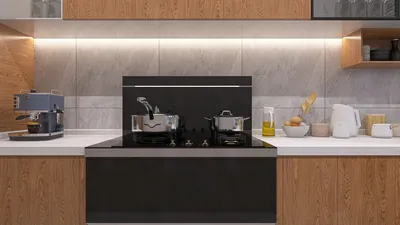


In my experience, one client insisted on hiding their minibar behind a vintage mirror—a stunning idea on the surface, but a complete disaster for ventilation. This taught me quickly that designing a minibar in a small space requires both creativity and pragmatism. A well-thought-out plan will save you from disasters like smoky martinis and soggy books. To stay clear of my mirror mishap, determine how you plan to utilize the bar, and then create a compact layout that won't feel congested.
1. Floating Shelf Cocktail Station
I adore the idea of floating shelves positioned above a slim console; they feel airy, take up minimal space, and display glassware dramatically. The advantages include affordability and straightforward installation; however, storage is limited, so you'll need some innovative solutions for jars and racks. I often enhance the ambiance with LED strip lights underneath the shelves without adding any bulk.
save pin
2. Converting a Nook with a Fold-Down Counter
Transforming an unused wall recess into a fold-down cocktail counter is ideal, especially in apartments where every square inch matters. This setup is fantastic for entertaining since the counter can disappear when not in use. However, make sure to incorporate hinges and adequate waterproofing into your budget. A client of mine managed to save hundreds by utilizing reclaimed wood and a clever folding mechanism.
save pin
3. Vertical Bar Cabinet
Using a tall, narrow cabinet is a savvy way to maximize vertical space: you can place wine racks above, drawers for tools, and a mini-fridge at the bottom, if possible. I often design a slim, pantry-style unit that remains organized and surprisingly spacious, although it does sacrifice some countertop space. To visualize proportions and finishes before making a purchase, I sometimes create a 3D render of a corner bar using tools like Homestyler, allowing clients to see sightlines and door swings in advance.
save pin
4. Under-Stairs Mini Bar
Utilizing under-stair spaces is often overlooked—a shallow cabinet, shelving, and a small sink can convert wasted space into a functional party area. Plumbing and odd angles can present challenges, but custom shelving and pull-out trays can lead to high efficiency. I once managed to fit a complete glassware rack along with a refrigerated drawer into a 60 cm deep area, which felt like a victory in Tetris design.
save pin
5. Integrated Kitchen Corner Bar
If you notice a neglected corner in your kitchen, consider integrating a mini bar into the cabinetry: slide a bar drawer next to the oven, install a compact wine fridge, and add a pull-out cutting ledge. This approach turns an underused corner into a functional service station, but it's essential to keep an eye on appliance heat and airflow. Before finalizing your layout, check out stylish kitchen layout examples to ensure your minibar seamlessly fits with cooking areas.
save pin
FAQ
Q1: What specifically defines a mini bar for small spaces?
I see it as a compact space designated for drink preparation and serving, which can vary from a simple shelf with an ice drawer to a full cabinet equipped with refrigeration. The key is matching the capacity to your entertaining style to avoid overbuilding.
Q2: What budget should I plan for a basic mini bar?
Expect a broad spectrum: you can create a DIY floating shelf station for less than $100, while a custom-built cabinet with a refrigerator might cost several thousand. I consistently recommend starting with a clear wishlist, followed by phased upgrades for budget management.
Q3: Can a mini fridge fit within standard kitchen cabinets?
Absolutely—compact under-counter refrigerators are designed for integration with cabinetry but require adequate ventilation and an accessible gap for service. Always check specifications before buying to avoid inconvenient retrofits.
Q4: What type of lighting suits a minibar best?
Warm LED strip lighting beneath shelves or inside cabinets produces a cozy glow without generating heat. Dimmable options offer flexibility to adjust the ambiance for day or night settings.
Q5: Are there safety issues to consider with a minibar in limited spaces?
Safety considerations revolve around refrigerator ventilation, secure shelf mounting, and proper electrical setups. If adding a sink or ice maker, consulting a plumber is crucial to prevent leaks and moisture problems.
Q6: What’s the best way to store glassware in a tiny bar?
Utilize vertical storage solutions: consider hanging stemware racks under shelves, hooks for hanging items, and multi-tiered drawer dividers to keep fragile pieces safe and accessible.
Q7: What dimensions should I account for working space?
As a rule of thumb, ensure at least 24–30 inches (60–76 cm) of clear counter depth for preparation and service areas; the NKBA provides detailed kitchen planning guides to translate these measurements specifically for small bars (NKBA, https://www.nkba.org/). This guarantees you have the space needed for mixing and pouring without knocking things over.
Q8: Should I attempt to DIY a minibar or hire a professional?
Simple projects like shelving or a fold-down counter are perfect for DIY, but built-in cabinets, plumbing, and electrical work are best addressed by professionals. I often opt for a mixed approach: DIY finishes combined with pro-installed appliances to balance budget and reliability.
save pin
Discover your dream space with Homestyler, the ultimate online home design platform! Its user-friendly design tool, stunning 3D renderings, and a wealth of DIY video tutorials empower you to create beautiful interiors with ease. Perfect for both novices and seasoned designers alike!
Zaprojektuj teraz za darmo
































