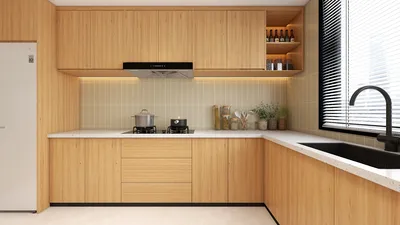


In a recent project, I was tasked with installing floating shelves that had to be both "invisible yet functional" for a client. The result was a staggered presentation that resembled a thoughtfully curated collection of mugs. When dealing with limited space, creativity becomes essential; a slim shelf can effectively showcase a collection of lipsticks or serve as a mini library for cookbooks, especially if you maximize vertical space. To visualize how these shallow shelves can transform a compact living room, I created a quick mockup with Homestyler that left my client in awe.
1. Floating shallow ledges for displaying art and essentials
When floor space is a premium, I typically opt for floating ledges that are around 4 to 6 inches deep. These allow for the display of frames, small plants, or everyday essentials without overwhelming the visual space like traditional bookcases would. The benefit? They instantly add character to a room and are easy to rearrange; however, it's important to avoid placing heavy items on them due to their limited weight capacity.
save pin
2. Shallow corner shelves that embrace the wall
Corners are often overlooked, but shallow triangular shelves measuring 3 to 5 inches deep can cleverly convert them into appealing catch-alls. I incorporated these into a studio kitchen to store spices, while adding a hanging rail below for utensils—a cost-effective solution that delivers considerable impact. The key challenge is ensuring precise measurements and secure anchoring; once installed, they blend seamlessly into the space, creating a sense of belonging.
save pin
3. Recessed shallow niches for a cohesive look
For those willing to modify their walls, recessed shelves offer a built-in feel and maintain clear sightlines. I convinced a hesitant homeowner to insert a 4-inch niche above the bed, which now accommodates a small reading lamp and a few books without crowding the area. Although recessed designs require a bigger investment and careful coordination with wiring or studs, they are the ultimate trick for achieving a minimalist look.
save pin
4. Shallow rails and ledges featuring multi-functional hooks
Consider going beyond traditional shelving: a 3-inch ledge equipped with an integrated rail or hooks can double as a command center for keys, hats, and mail. I installed one near the entryway of a compact 420-square-foot apartment, and the result was a significant reduction in clutter. They're budget-friendly and adaptable; however, be careful not to overload the hooks, which can lead to a messy appearance. I recommend pairing them with a small tray to keep smaller items organized.
save pin
5. Tiered shallow shelving and slim storage towers
By stacking several shallow shelves vertically, you create a slim tower that appears as one cohesive unit. I designed a 6-tier shallow tower that fits perfectly alongside a narrow fridge, ideally accommodating spices, teas, and a few ceramics—offering both functionality and aesthetics in just a 6-inch profile. Though assembly can be tricky and proper alignment is crucial, the benefits for tight kitchens or hallways are immense. To evaluate layouts quickly without making permanent changes, I often utilize Homestyler for digital mockups to prevent any potential issues.
save pin
FAQ
Q: What depth qualifies as "shallow" for shelves in limited spaces?
A: I typically define shallow shelves as being 3 to 6 inches deep—adequate for plates or small décor while maintaining open pathways for movement. For heavier items, I recommend staying towards the deeper side of that range.
Q: Are shallow shelves capable of safely holding books?
A: Yes, they can accommodate books, but it’s important to regulate the load and distribute heavier books across multiple supports. Using solid brackets and securing them to studs will help prevent sagging.
Q: Do recessed shallow niches come with a high cost of construction?
A: Indeed, they tend to be pricier than standard wall mounts due to the wall modification required, and sometimes involve electrical rerouting. Be prepared to allocate budget for the necessary carpentry and finishing work.
Q: How can shallow shelves be styled without appearing cluttered?
A: Embrace negative space; leave gaps between items, group objects in odd numbers, and alternate between vertical and horizontal arrangements. I often begin with 3 to 5 key pieces and then gradually introduce smaller accessories.
Q: What materials are most suitable for narrow shelves?
A: Lightweight solid wood, plywood veneer, or metal ledges are excellent choices; select materials based on your décor aesthetic and intended load. Avoid cheap hollow shelves if you plan to store heavier items on them.
Q: Any budget-friendly advice for installing shallow shelving?
A: Utilize pre-made ledges, L-brackets, or simple peg systems to cut down on custom fabrication—paints and edge banding can enhance budget materials to look high-end. I once employed painted pine strips to imitate expensive walnut, and the result was quite convincing.
Q: What safety considerations should be kept in mind for shallow shelves in rental properties?
A: Absolutely—if drilling is prohibited, consider using removable anchors or options that utilize tension and install over doors to avoid making permanent modifications. Always confirm with your lease rules beforehand.
Q: Do design experts advocate for shallow shelving in compact kitchens?
A: Many do: the National Kitchen & Bath Association (NKBA) emphasizes that open and shallow storage solutions enhance visibility and accessibility in smaller kitchens, although they caution about grease and dust accumulation on open shelves.
save pin
Tips 1:
Remember to measure twice and create a mockup—use painter’s tape to outline the shelf depth on the wall before making any commitments. I frequently test placements in real scale to sidestep surprises and observe how sightlines will shift once the shelves are loaded.
save pin
Discover the creative potential of Homestyler! This user-friendly online design platform offers an intuitive design tool, stunning 3D renderings, and a wealth of inspiring design projects and video tutorials. Whether you're a beginner or an experienced designer, transform your home with ease and confidence!
Progetta ora GRATIS
































