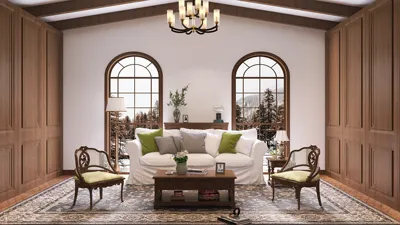


In a memorable project, a client asked me to transform their quaint meeting nook into a space reminiscent of a Brooklyn coffee shop, complete with cozy Edison bulbs and a vintage record player. The design vision almost turned the area into a jungle of plants with a chalkboard menu. This experience reinforced a valuable insight: even in compact environments, creativity can flourish when ideas are thoughtfully curated. Recently, I employed an office case study to plan the layout, ensuring a smooth flow before investing in any decor items.
Here are five creative office decor strategies that I often implement in real projects — all are functional, budget-friendly, and effective in bringing life to small workspaces.
1. Cozy lounge corners
I enjoy creating a 1.5 x 1.5 meter lounge nook within an open office. By incorporating a low-profile sofa, a pouf, and a small coffee table, I can quickly establish a casual meeting area. The benefits are clear: informal conversations and spontaneous brainstorming sessions occur effortlessly here. However, it's crucial to avoid overcrowding the space with furniture, as that could hinder movement.
Budget tip: Opt for modular furniture to ensure reconfigurability. For instance, I once swapped out a cumbersome armchair for two armless stools, allowing the nook to accommodate three additional guests.
save pin
2. Dynamic vertical gardens
When floor space is limited, consider vertical solutions. A narrow plant wall or staggered shelves lined with trailing greenery can enliven the environment while enhancing sound insulation. Plants not only mitigate noise but also introduce a visually soothing element — maintenance can be tricky, so select low-light, low-maintenance species if a dedicated plant caretaker is unavailable.
Pro tip from my studio: Combining artificial and real plants near HVAC vents can significantly reduce upkeep requirements, while still maintaining a lush appearance.
save pin
3. Adaptive work areas
Crafting flexible work zones — such as standing desks, collapsible tables, and mobile storage solutions — can convert a small office into a multifunctional space. I always use 3D testing to verify sightlines and movement patterns, ensuring that any layout I propose is practical for daily use. A quick 3D simulation previously encouraged a client to replace a fixed table with a foldable one, freeing up valuable meeting space without compromising functionality.
save pin
4. Striking lighting fixtures
Lighting serves as an essential aspect of design. A dramatic pendant or a cluster of whimsical lamps can delineate an area and inject character without occupying much space. While the benefit is significant visual impact, the challenge lies in installation — electrical work can strain a budget, so it’s advisable to plan your lighting scheme early on in the project.
When funds are tight, I often use plug-in pendants paired with a dimmer to create layered lighting without complicated wiring.
save pin
5. Color-blocked focus areas
Using paint or fabric in bold color blocks helps visually distinguish work zones and adds an element of energy. I have effectively utilized a teal alcove for focused tasks and an orange zone for creative brainstorming — each hue sets a specific atmosphere that can aid in shifting mindsets. However, there's a risk in being overly bold; it's wise to test paint samples at various times to avoid colors that feel jarring under fluorescent lighting.
For a tech startup client, I combined colorful panels with acoustic foam, alongside a virtual design example from Homestyler, to create a space that was vibrant and functional.
save pin
Tips:
First and foremost, consider circulation: when movement isn’t restricted, even the tiniest office can feel expansive. Focus on multifunctional pieces, resilient finishes, and a few standout elements instead of a multitude of small decorations.
save pin
FAQ
Q1: What are the best fun office decor ideas for small spaces?
A: Prioritize vertical solutions, multifunctional furnishings, attention-grabbing lighting, and color zoning. Maintain flexibility in the layout to adapt to different activities, from meetings to focused work or casual conversations.
Q2: What is the cost involved in redecorating a small office?
A: A small office can be rejuvenated on a budget ranging from $500 to $2,000 with options like paint, lighting, and selective new items. However, a comprehensive redesign that includes built-ins and electrical updates typically varies from $3,000 to $15,000, depending on the project's scope.
Q3: Which plants are most suitable for office environments?
A: Opt for low-light and low-maintenance varieties like pothos, snake plants, and ZZ plants, which can withstand inconsistent watering while also enhancing air quality and overall ambiance.
Q4: How can I enhance acoustics in a small office?
A: Employ soft furnishings, rugs, acoustic panels, and strategic use of plants to absorb sound. Additionally, implementing zoning with bookcases or fabric dividers can minimize noise transfer between different areas.
Q5: Do color choices truly impact productivity?
A: Absolutely — colors can influence mood and focus levels. Research, including findings highlighted by reputable sources like Harvard Business Review, shows that color preferences can enhance creativity and tranquility; select hues in accordance with the function of each area (cool tones for concentration, warm tones for collaboration). (Source: Harvard Business Review, https://hbr.org)
Q6: Are open-plan offices still advisable?
A: Open floor plans foster collaboration but can detract from privacy and focus. It’s beneficial to integrate open areas with designated pods or phone booths to strike a balance between interaction and concentrated work.
Q7: How do I create a visitor-friendly office?
A: Ensure clear signage, provide a small reception space for items, offer comfortable seating, and have accessible power outlets. Keeping pathways open and surfaces organized leaves a positive impression.
Q8: Where can I experiment with layouts before making furniture purchases?
A: Utilize digital preview tools or case studies to visualize size and flow; I consistently prototype layouts in a virtual setting with Homestyler so clients can see how the components fit before any buying decisions are made.
save pin
Homestyler is your go-to online home design platform! With its user-friendly design tool, stunning 3D rendering, and a wealth of inspiring design projects and video tutorials, you can effortlessly create and visualize your dream spaces. Transform your home design journey today!
Zaprojektuj teraz za darmo
































