

If you are thinking about constructing your own house from scratch, creating a custom floor plan is an excellent DIY endeavor. Not only does it help you save on costs, but it also allows you to have complete control over the structure and functionality of your new dwelling. Where should you begin this exciting journey? Here’s a detailed guide to assist you in crafting your own house floor plan.
Step 1: Identify Your Requirements
The initial stage in designing your house floor plan is to identify your requirements. Assess how many bedrooms and bathrooms will be necessary, consider your family size, and include any specific needs like a home office or fitness area. Reflect on your lifestyle and envision how you want your home to operate. Do you frequently host guests? Is a spacious kitchen essential for you? These considerations play a crucial role in your planning.
Step 2: Evaluate Your Financial Plan
After clarifying your requirements, evaluate your financial plan. What is your budget for your new home? This will influence the scale and intricacy of your house floor plan. Remember that simpler designs tend to be more budget-friendly.
Step 3: Explore Various House Floor Plans
Prior to beginning your design process, it's beneficial to explore various house floor plans. Search for design ideas online, flip through home design publications, and visit model homes. This exploration will provide insight into layouts and features that are both trendy and practical, helping you decide what elements you wish to incorporate into your own design using a tool like Homestyler.
Step 4: Draft Your Initial Design
Once you have a clear idea of your needs, budget, and sources of inspiration, it’s time to draft your initial house floor plan. Begin with a rough sketch outlining the basic arrangement of each room. Don’t be concerned about perfection at this point; you can revise and refine it later.
Step 5: Enhance Your Design
After completing a basic sketch, the next step is to enhance your design. Consider how the space flows—how will individuals move between rooms? Reflect on where to place windows, doors, and walls to ensure each room has sufficient space and that the overall layout is practical.
Step 6: Seek Input
Before you finalize your house floor plan, it’s wise to seek input from others. Share your design with family, friends, and professionals such as builders or architects. They might identify potential issues or suggest improvements that you have not thought of yet.
Step 7: Finalize Your Blueprint
Following the integration of feedback and necessary revisions, it’s time to finalize your house floor plan. Ensure all measurements are precise and that your design complies with local building codes or regulations. Once you are satisfied with your plans, you are all set to start constructing your dream home!
Eager to begin crafting your own house floor plan? Explore Homestyler for inspiration, 3D visualization tools, and professional guidance to make your design dreams a reality!
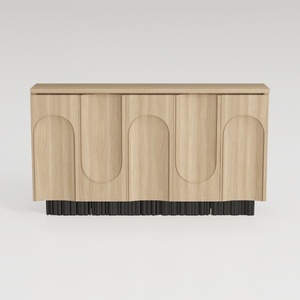
Sideboard Buffet Cabinet with Storage, 65" Modern

OKD Fluted Wine Bar Cabinet for Liquor, 60" Modern

Homestyler is your go-to online home design platform! With its user-friendly design tool, stunning 3D renderings, diverse design projects, and valuable DIY video tutorials, you can effortlessly create and visualize your ideal living space. Transform your home with Homestyler today!
Diseño ahora GRATIS
































