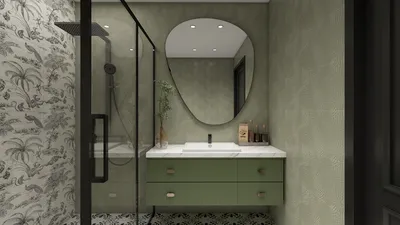


When planning a home spa day, I treat it like organizing a wellness retreat: set the ambiance, manage lighting and sound, select textures, and sequence activities thoughtfully. The aim is to transition your nervous system into healing mode and maintain it for at least 60 to 90 minutes. According to WELL v2, the benefits of circadian-friendly lighting and acoustic comfort play significant roles in recovery, while research from Herman Miller indicates that users report better wellbeing when surrounded by comfortable environments—affecting aspects such as posture and temperature. These concepts also apply perfectly to creating a personalized spa experience in your home with the help of Homestyler.
Lighting is my primary focus. The Illuminating Engineering Society suggests lower ambient light levels for restful spaces—between 50 to 150 lux for relaxation areas—accompanied by warm color temperatures of about 2700 to 3000K to lessen alertness. I ensure that task lighting is dimmable and indirect to reduce glare. Additionally, color and scent play crucial roles for mental relaxation: Verywell Mind highlights that shades of blue and green are calming; I incorporate these hues into towels and accessories while using a single, cohesive scent to prevent sensory overload.
Establish Your Intention and Timeline
Select a time window of 60, 90, or 120 minutes and silence all notifications. I divide the session into four phases: Grounding (breathwork and hydration), Heat (bath or steam), Treatment (masking and body care), and Recovery (stretching and journaling). This clear structure minimizes decision fatigue and enhances presence.
Creating a Calming Lighting Scheme
I set ambient lighting to a warm 2700 to 3000K, aiming for approximately 80 to 120 lux in the bath area and about 30 to 60 lux in the recovery space. I avoid excessive direct overhead lighting; instead, I bounce light off walls or behind mirrors to soften shadows and eliminate glare. If I use candles, I position them away from reflective surfaces to avoid any flicker. WELL v2 recommends glare reduction and personal dimming options—consider adding a dimmer switch or a small adjustable lamp. For evening sessions, turning off cooler white lights can aid melatonin production.
The Role of Sound and Silence
Surprisingly, acoustic comfort can significantly influence heart rate variability. I keep mechanical noises to a minimum and play soft ambient music or a pink noise track at a volume of 40 to 50 dB. In bathrooms with hard tile flooring, using bath mats, cotton towels, and a fabric shower curtain can help absorb and diffuse high-frequency sounds.
Select a Minimalist Color Palette and Natural Materials
In my spa setup, I minimize visual clutter by using only 2 to 3 colors. Materials like cotton, linen, and wood provide a cozy tactile experience, while stone or matte ceramics help ground the aesthetic. The materials chosen are not just for visual appeal—natural fibers wick moisture and regulate temperature to maintain comfort after bathing. If refreshing a corner, consider a compact bench made from sealed wood with rounded edges for enhanced relaxation and safe movement when your skin is moist.
Thermal Rituals: Bathing, Steaming, or Contrast
Heat promotes blood vessel dilation and muscle relaxation. I prefer my bath temperature to be around 37 to 39°C (98.6 to 102°F) for 10 to 15 minutes, following it up with a brief cool rinse to revitalize. If using a shower, consider creating micro-steam by running hot water for 1 to 2 minutes with the door shut before stepping in and gradually lowering the temperature. Hydration is key: aim for one glass of water for every 20 minutes of heated exposure.
The Sequence for Skin and Body Care
- Dry brush toward the heart for 2 to 3 minutes to stimulate circulation.
- Use a gentle, fragrance-consistent cleanser to prevent overstimulation.
- Exfoliate once a week; excessive exfoliation can heighten sensitivity.
- Apply a face mask suited to your skin's needs (hydration is key for most spa days).
- While the mask is active, massage a nourishing body cream into calves, thighs, and shoulders with long strokes, spending 30 to 60 seconds on each muscle group to release tension.
Integrating Breathing and Micro-Mobility
I incorporate 3 to 5 minutes of coherent breathing techniques (inhale for 4 to 5 counts, exhale for 4 to 5 counts) to stabilize my heart rate. This is followed by gentle neck rolls, thoracic rotations, and calf stretches. Moving slowly post-heat helps minimize sudden drops in blood pressure which can cause dizziness.
Setting Up a Recovery Corner
Designate a space free of bright reflections: include a low chair or floor cushion, a cozy throw, and a warm lamp. Maintain about 30 to 60 lux for calming illumination. Place a carafe of water and a small tray for skincare items nearby to reduce unnecessary movement. If you're arranging a multifunctional space such as a studio apartment, tools like a layout simulator can assist in testing optimal placements for lamps and seating while avoiding glare and pinch points in circulation.
Developing a Scent Strategy
Opt for one scent family throughout the session—citrus for invigoration, lavender for tranquility, eucalyptus for clarity. Lightly diffuse around 5 to 8 drops in 200 ml of water and ensure body products match this scent to prevent clashing aromas. Such consistency enables your brain to link the scent with recovery over time.
Emphasizing Hydration and Nutrition
Keep water and a light, salty snack accessible if you sweat during the heat therapy. I enjoy cucumber slices with a sprinkle of sea salt or a small broth. Try to avoid heavy meals until at least an hour after your session to prevent interfering with relaxation.
Maintaining Clean Lines and Safe Surfaces
Ensure your space is clear of obstacles, secure cords, and place non-slip backing under rugs. In compact bathrooms, maintain a clear path of 28 to 32 inches from the door to the tub or shower for safe movement. Select rounded accessories (like stools and trays) to mitigate the risk of falls when surfaces are wet.
Utilizing Color Psychology for a Spa Atmosphere
For towels and accessories, I choose muted greens, soft blues, and warm neutrals. The blue-green spectrum is often linked to calmness and clarity, helping to reduce visual noise and support lighter breathing patterns. If bright colors are more appealing, opt for a lower saturation and apply colors in large, uncomplicated fields rather than busy patterns.
Concluding with a Ritualized Closure
Indicate the end of your session with a consistent signal: whether it’s writing a brief note of gratitude, taking three deep breaths, or applying a soothing facial oil. This helps to solidify the routine, making it easier to repeat weekly.
- Minutes 0–5: Set intention and hydrate
- Minutes 5–20: Enjoy a warm bath or steam
- Minutes 20–35: Cleanse, mask, and apply body cream
- Minutes 35–45: Stretch and practice breathwork
- Minutes 45–60: Relax in the recovery corner with tea
Frequently Asked Questions
Q1. What lighting works best for evening home spas?
A1. Opt for warm lighting between 2700 to 3000K at low levels (50 to 120 lux) with dimming options. Indirect sources can significantly diminish glare and assist your body in winding down for sleep.
Q2. How can I reduce echo in my bathroom for a more serene sound environment?
A2. Add elements that absorb sound, such as cotton towels, fabric shower curtains, a denser bath mat, and a small padded stool away from splash zones to break up reflections.
Q3. Is it better to take a hot bath or a contrast shower for recovery?
A3. For relaxation, a warm bath at 37 to 39°C for 10 to 15 minutes is gentle and effective. If you tolerate temperature changes well, end with a brief cool rinse to invigorate circulation.
Q4. Which scents genuinely help me to relax?
A4. Lavender and chamomile are classics for relaxation; eucalyptus clears the senses without overwhelming them. Stick to one fragrance family to avoid competing scents which can lead to sensory fatigue.
Q5. What color palette is most calming for the mind?
A5. Soft shades of blue, green, and warm neutrals are often regarded as soothing. Matte or low-sheen finishes help to minimize glare and visual distractions.
Q6. How can I transform a small bathroom into a spa-like oasis?
A6. Clear clutter from surfaces, use a single tray for essentials, install a dimmable warm lamp, and select two complementary towel colors. Ensure a straightforward path of 28 to 32 inches for safe movement.
Q7. Are there any evidence-based elements I should prioritize?
A7. Concentrate on circadian-supportive lighting and acoustic comfort—principles highlighted in WELL v2—as well as ergonomic seating for recovery. These aspects correlate with increased wellbeing based on workplace and wellness research.
Q8. How often is it advisable to exfoliate during a spa routine?
A8. Once weekly is sufficient for most skin types. Overdoing exfoliation can damage the skin barrier and reduce comfort during heat exposure.
Q9. What is the safest methodology for using candles?
A9. Keep them away from reflective surfaces and drafty areas to avoid flicker effects and unstable flames. Never leave them unattended; consider opting for warm LED candles if space is limited.
Q10. Is it possible to have a spa session in the morning?
A10. Absolutely—utilize cooler lighting (3000 to 3500K) and brighter levels (up to roughly 200 lux) to avoid drowsiness afterward. Select uplifting citrus scents to invigorate your senses.
Q11. How can I prevent my routine from feeling burdensome?
A11. Establish a straightforward four-step framework, limit your product kit to essentials, and maintain the same scent and playlist to create familiarity. Ritualizing your practice reduces decision fatigue.
Q12. What would be a suitable snack to have post-bath?
A12. Opt for light, hydrating choices: fresh fruit seasoned lightly with salt, cucumber, or a small broth. Avoid heavy meals right after your heat therapy to ensure your body continues to relax.


Homestyler is an exceptional online platform perfect for anyone looking to transform their home. With its user-friendly design tool, stunning 3D renderings, and a wealth of DIY video tutorials, you’ll easily turn your creative visions into reality. Start designing your dream space today!
Concevez maintenant gratuitement
































