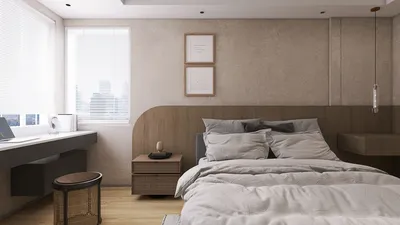


I specialize in crafting semi-private spaces that foster tranquility, clarity, and connection—areas where individuals can concentrate without feeling isolated. The ideal design strikes a balance between complete openness and total enclosure: offering filtered visuals, controlled acoustics, and layered lighting. In corporate settings, this equilibrium significantly influences productivity; the Gensler U.S. Workplace Survey highlighted that when employees can select environments that ensure the right level of privacy and support focus, both performance and satisfaction see considerable improvement. Likewise, the WELL v2 standard underscores the importance of acoustic and visual comfort as essential elements of cognitive wellbeing, establishing clear specifications for sound control, glare mitigation, and support for circadian lighting patterns. Utilizing design tools like Homestyler can assist in visualizing these environments.
Privacy encompasses multiple dimensions. Visual privacy, sound privacy, and territorial indicators each communicate appropriate behaviors within a space. Research from Steelcase has demonstrated that auditory distractions rank high among factors that disrupt focus, especially in open-office layouts, emphasizing the necessity for precise acoustic solutions—such as soft textures, sound-dampening barriers, and thoughtful spatial organization. Regarding lighting, the Illuminating Engineering Society (IES) suggests a task illuminance of 300–500 lux for typical office activities. Meanwhile, WELL v2 specifies guidelines for circadian lighting effectiveness and glare reduction, ensuring that semi-private rooms remain conducive to comfort, efficiency, and health.
Design Intent: A Semi-Private Room That Feels Effortless
My objective is to create a micro-refuge that avoids feelings of isolation. Imagine a space that dampens visual distractions, manages sound effectively, and adjusts according to diverse tasks. A semi-private room is perfect for focused solo projects, one-on-one meetings, quiet reading, telehealth consultations, or small group discussions. The color palette tends towards warm neutrals to minimize cognitive load, complemented by tactile materials that absorb rather than resonate sound and light. Every choice, from partition height to seating fabric, contributes to a seamless experience of privacy.
Evidence-Based Privacy Layers
- Visual Screening: Implement partial partitions measuring 48–60 inches (120–150 cm) to maintain visual lines at standing height while providing privacy when seated. Frosted or textured glazing allows light penetration but obscures details. Sightlines should be arranged to avoid direct face-to-face visibility across openings.
- Acoustic Damping: Blend ceiling absorption panels with an NRC of ≥0.70, alongside wall treatments and upholstered furnishings. Strategically positioning bookshelves or fabric-covered storage near conversation areas promotes sound diffusion.
- Behavioral Cues: Elements such as low consoles, rug boundaries, or shifts in lighting indicate that the area is semi-private. Positioning entrances at an angle helps to subtly minimize foot traffic.
Light Environment: Lux, Color Temperature, and Glare Control
In semi-private rooms, aim for 300–500 lux on workspace surfaces, combining ambient lighting at around 250–300 lux with task lighting that delivers 400–600 lux at desks. Maintain a correlated color temperature of 3000–4000K to promote alertness without harsh glare. Place lighting fixtures perpendicular to screens to minimize reflections, and select units with a UGR of ≤ 19 in environments dominated by monitors to prevent discomfort glare. Incorporating dimming controls allows users to fine-tune brightness levels and reduce mental fatigue throughout the day.
Acoustic Comfort: Speech Privacy Without Isolation
Our goal is to achieve controlled audibility instead of complete silence. Target reverberation times of 0.5–0.7 seconds in smaller rooms (10–20 m²). Combine porous absorbers like fabric panels with selective diffusion methods, such as slotted wood with backing. Use door sweeps, sealed frames, and resilient flooring to curb sound transfer. If the room is situated in a louder environment, consider implementing modest sound masking outside to increase background noise levels subtly, rendering conversations less audible beyond the room's boundaries.
Spatial Ratios and Visual Rhythm
Proportions are crucial. I advocate a 60/30/10 distribution: 60% soft, sound-absorbing materials; 30% semi-reflective, durable finishes; and 10% accent features for visual interest. Ensure clear widths of 900 mm for circulation areas and 1200 mm for door swings. Incorporate vertical elements—alternating solid and translucent panels—to encourage movement and alleviate visual strain. A rug or ceiling design that aligns with the main axis can create a sense of hierarchy without requiring walls.
Color Psychology and Material Selection
Color affects behavior significantly. Muted greens and warm grays suggest tranquility; soft blues foster concentration. According to Verywell Mind's analysis of color psychology, blues are commonly linked to stability and focus, while green hues help in relieving eye strain and anxiety. For materials, mix acoustic felts, wool upholstery, and matte woods featuring low-VOC finishes. Choose upholstery rated for 100,000 double rubs in contract settings and include cleanable, antimicrobial surfaces for applications near healthcare.
Ergonomics and Human Factors
Seat heights of 17–19 inches (43–48 cm), customizable back support, and armrests designed to avoid conflicts with tablet surfaces are essential. Desks should measure 28–30 inches (71–76 cm) with effective cable management to minimize visual disruption. Provide monitor arms that allow for 5–10 cm vertical adjustments and 10–20° tilting. Ensure that workspaces maintain primary tools within a reach of 400–500 mm. When hosting meetings, specify compact tables with rounded edges to minimize bump hazards and facilitate easy entry and exit.
Layout Strategies: Zones, Flow, and Privacy Gradients
Begin with a privacy gradient: entry transitions, buffer zones, core focus areas, and a small retreat. Circulation routes should navigate the room perimeter without cutting through the focus area. Position seating so that occupants' backs are shielded (against a partition), maintaining a side view of the entrance—this design reduces surprise reactions and enhances perceived control. If you're exploring layout options, tools such as Homestyler enable testing of various partition heights, rug boundaries, and seating arrangements before final decisions are made.
Technology Integration and Visual Cleanliness
Maintain a discrete yet accessible tech setup: flush power outlets, under-desk cable management, and a compact media shelf. If video conferencing is a requirement, design the background to be soft and non-distracting—utilizing textured walls, understated artwork, and warm task lighting. Avoid overly reflective surfaces behind the camera. Incorporate occupancy sensors for lighting near entry points to minimize false activations, and select PIR sensors with suitable coverage areas.
Behavioral Patterns and Spatial Intention
Establish design norms that align with intended usage: a small coat hook communicates that this space is for lingering; a singular seat with a side table signifies one-on-one engagement or solitary work; two matching chairs encourage balanced discussions. Provide subtle directional cues—such as variations in lighting or floor texture—allowing people to intuitively understand privacy levels without needing signs.
Sustainability and Longevity
Favor robust, easily repairable components. Modular acoustic panels can be reconfigured, and removable partitions allow for future layout modifications. Opt for FSC-certified timber, low-VOC coatings, and, wherever feasible, recycled-content acoustic materials. Maintenance is key—select finishes that can disguise wear and tear in high-traffic areas and consider replaceable rug tiles for quick refreshes.
Style That Supports Function
Design aesthetics should enhance privacy, not oppose it. I prefer combining layered neutrals with tactile contrasts—like bouclé fabric against matte oak, and ribbed glass alongside powder-coated steel. Lighting should serve a sculptural purpose while ensuring glare control. The outcome is a subtle elegance: inviting, clear, and adaptable.
Execution Checklist
- Define privacy objectives: both visual and acoustic, as well as territorial.
- Confirm lighting levels: 300–500 lux for task areas, with UGR ≤ 19 where screens are prevalent.
- Adjust acoustics: target RT60 around 0.5–0.7 seconds; incorporate both absorption and diffusion.
- Validate ergonomic standards: appropriate seat and desk heights; monitor adjustability features.
- Map out a privacy gradient: entryway, buffer space, focus area, and retreat zone.
- Opt for calming colors: muted blues and greens, paired with warm neutrals.
- Select materials wisely: low-VOC finishes, durable substances, acoustic felts, and matte woods.
- Utilize a layout planner like Homestyler to test designs before implementation.
References
For in-depth exploration on the interplay between privacy, acoustic comfort, and productivity in semi-private environments, consult resources from Gensler Research and WELL v2.
FAQ
Partial partitions ranging from 48–60 inches (120–150 cm) typically provide seated privacy while still maintaining openness and sightlines for safety and orientation.
Aim for task lighting levels of 300–500 lux at the workspace, with ambient light set around 250–300 lux and task illumination providing 400–600 lux, all while managing glare effectively.
Integrate ceiling and wall absorption (NRC ≥ 0.70), upholstered seating, door seals, and strategic diffusion. Consider moderate sound masking in nearby open spaces.
Desaturated blues and muted greens enhance focus and alleviate stress; using warm neutrals keeps the atmosphere grounded and inviting.
Position seating with backs shielded and a side view of the entry. Maintain circulation paths along the perimeter and design a privacy continuum from entryway to focus areas.
Seat height should be between 17–19 inches, desk height at 28–30 inches, include adjustable monitor arms, organize cable management, and ensure armrests do not obstruct tablet surfaces.
Indeed—using frosted or ribbed glass can diffuse views while still allowing light to enter. Consider adding blinds or curtains for adjustable privacy when required.
Design a soft, non-reflective backdrop, control glare, and incorporate acoustic treatments to minimize echo for clearer audio.
Acoustic felt, high-rub-count upholstery, matte woods, and resilient flooring with sound-dampening underlays help mitigate unwanted noise.
Employ demountable partitions, modular acoustic panels, replaceable tiles, and adaptable power/data setups to accommodate changing needs without extensive renovations.
Discover the creative freedom of Homestyler, the premier online home design platform. With its easy-to-use design tool, stunning 3D renderings, and extensive DIY video tutorials, you'll transform your space into a stunning masterpiece—perfect for both novices and design enthusiasts alike!
Concevez maintenant gratuitement
































