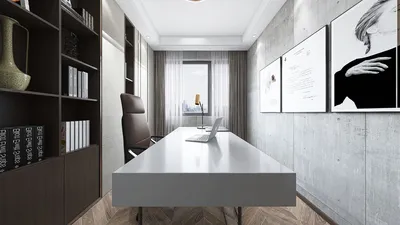


I’ve witnessed the magic of rooms transforming the moment a game starts—excitement surges, walls dissipate, and participants begin to collaborate effortlessly. The key is not only in selecting an appropriate game but also in adjusting the environment—including lighting, sound, and layout—so that play feels seamless and welcoming.
The ambiance and comfort of a space greatly affect how long individuals remain engaged. WELL v2 guidelines point to the importance of lighting for visual comfort and glare control to alleviate eye strain, especially during close-up activities that are typical in card, puzzle, and tabletop games. Research from Steelcase indicates that adaptable environments enhance participation by facilitating various interaction modes, from focused tasks to social engagements—critical for hosting team-oriented games or rotating competitions.
The psychology of color also influences the energy of gaming sessions. An article from Verywell Mind suggests that warm colors can boost arousal and encourage social interaction, while cooler shades promote calm and concentration—ideal for transitioning from high-energy rounds to relaxing activities. A simple change in palette or the use of dimmable lighting that transitions from warm to neutral can effectively steer the mood throughout the evening.
Fundamentals of Room Setup for Gaming
Begin with distinct zones: a central area for strategy games, open space for active challenges, and a quieter nook for puzzles or VR reflection time. Ensure a comfortable reach of 600–800 mm around seating for easy card play, while maintaining clear pathways for physical games. If you're optimizing a compact apartment or multifunctional area, utilizing a room layout tool like Homestyler can assist in visualizing seating arrangements, storage options, and sightlines so everyone can easily monitor timers or scoreboards.
Illumination and Acoustic Comfort
Aim for 300–500 lux at the table for board gaming—sufficient for reading small text without glare. Combine ambient lighting with task lights; reflect light off walls to reduce shadows. Maintain a color temperature between 3000 and 3500K to create a warm, social atmosphere, switching to cooler tones during focused puzzle-solving sessions. For sound control, use soft rugs, cushioned sofas, and felt wall panels to minimize reverberation and enhance voice clarity. Target noise levels below 55 dBA; light music should remain under the level of conversation. Position speakers strategically to ensure even sound distribution and avoid hot spots.
Game Types That Enhance Any Space
Consider cooperative board games, social deduction games, or quick card challenges. Choose narrow, communal tables that allow players to access game pieces easily without reaching too far. Use trays to minimize clutter and color-code teams for straightforward identification.
Engaging activities like charades, mini obstacle courses, scavenger hunts, or balance games infuse kinetic energy into your gathering. Ensure at least 1.2–1.5 m of clearance in play areas to prevent collisions. Use tape to signify boundaries or portable cones for safe zones.
Incorporate hands-on activities like LEGO construction, crafting competitions, or design challenges using household materials. Having a flexible workspace, along with washable markers and modular storage bins, streamlines the resetting process. Illuminate the building area with brighter task lighting to highlight intricate details.
Participate in VR rhythm games, console multiplayer titles, or smartphone trivia contests. Manage cable setups and reduce screen glare through matte finishes behind displays. Organize seating in a gentle arc so everyone maintains a sightline to the game.
House Rules That Maintain a Positive Atmosphere
Rotate the role of captain or host each round. Keep scores visible on a communal board to keep the energy high. Alternate between short (5–7 min) bursts of play and longer (20–30 min) anchor games to cater to varying attention spans. Establish a two-minute reset rule where each participant clears one item from the playing area between games.
Play Suggestions: My Favorite Game Lists
• Lightning Charades: Fast-paced prompts with themed categories.
• Speed Sketch Relay: Each participant adds a line to create a final picture.
• One-Word Story: Build whimsical narratives one word at a time around the circle.
• Secret Roles Night: Enjoy hidden identities, open discussions, and quick voting.
• Co-op Puzzle Rush: Everyone tackles mini puzzles to unlock a main challenge.
• Auction Table: Bid on clues or advantages using tokens—a fantastic bluffing game.
• Room Run: Set up a mini-course with safe stations focusing on balancing, tossing, and memory matching.
• Silent Sculpt: Teams recreate a shape silently, testing their creativity.
• Shadow Tag: Adjust light positioning to create playful chase patterns without the risk of impact.
• Materials Draft: Participants select from a shared bin and compete to build to a prompt.
• Micro Architecture: Construct a tiny dwelling using cards, sticks, and clips.
• Poster Pitch: Develop a brand and make a 60-second pitch—props are encouraged!
Design Elements That Enhance Gaming
Ergonomics are essential: seat heights of 430–460 mm work well with tables at 730–760 mm for comfortable card handling. Make sure armrests are low or absent at the gaming table to prevent bumps. Store game components in labeled bins at eye level, and position timers and displays for easy visibility to all players. Employ color coding (warm colors for active zones, cool colors for relaxation areas) to signal behavior, a method supported by color psychology research regarding arousal and tranquility.
Facilitating Game Flow and Timing
Set up stations with materials, brief rules summaries, and extra pens in advance. Utilize a single master timer with a scoreboard visible to all participants. Strategize the session flow: energize, collaborate, compete, and cool down. Conclude the evening with a light debrief session so everyone departs on a high note, rather than feeling unresolved.
Prioritizing Safety and Accessibility
Reduce tripping hazards by positioning cables along walls instead of walkways. Offer a variety of seating options—stools, low sofas, and supportive chairs. Include tactile indicators and high-contrast labels for low-light environments. Ensure at least one pathway is 900 mm wide. Provide earplugs for guests sensitive to sound and use dimmable lighting to cater to glare sensitivity.
Strategies for Small Rooms
Implement foldable tables, wall-mounted shelves for games, and stackable stools. Mirrors can expand sightlines, while low-profile sofas keep the spaces open. When arranging a multi-use living area, run simple scenarios using an interior design tool like Homestyler to assess seating clusters and access to storage during game nights versus regular use.
Refreshments and Recharging
Position snacks at a side console away from the main gaming area to prevent sticky surfaces. Use coasters and machine-washable table covers. Between games, switch lighting to a more soothing 2700–3000K and adjust the music tempo; this cue alone can shift behaviors into the next phase of play.
Frequently Asked Questions
Q1: What are the optimal lighting levels for board and card games?
A: Aim for 300–500 lux at the tabletop using dimmable fixtures and low-glare shades. Keep color temperatures around 3000–3500K for a friendly, comfortable atmosphere.
Q2: How can I decrease noise without renovations?
A: Introduce rugs, fabric curtains, upholstered seating, and a few felt wall panels. These items help with sound absorption while keeping speech clarity within a comfortable range.
Q3: What’s a suitable layout for diverse activities?
A: Create three distinct zones: one for table games, one for movement, and one for quiet activities. Utilize a layout simulation tool to visualize flow and sightlines.
Q4: Any ergonomic suggestions for extended play sessions?
A: Pair seating heights of 430–460 mm with table heights of 730–760 mm, maintain accessibility for all items, and choose breathable upholstery to prevent overheating during long gaming marathons.
Q5: How can color impact the energy during gaming nights?
A: Warm shades boost sociability and excitement, while cooler tones enhance focus—adjust lighting and accents to appropriately transition between zones.
Q6: What’s the safest method to incorporate moving games in compact spaces?
A: Ensure a clear lane of 1.2–1.5 m for play, mark boundaries with tape, and eliminate any sharp furniture edges. Keep cables off the ground and provide soft landing options.
Q7: How can I maintain engagement for varied personalities?
A: Alternate quick rounds with longer collaborative games, rotate hosts regularly, and visibly showcase scores. Offer optional side puzzles for participants who prefer quieter engagements.
Q8: What storage solutions expedite setup and cleanup?
A: Utilize labeled bins, component trays, and vertical shelving near play areas. Implement a two-minute reset guideline to ensure smooth transitions.
Q9: What strategies can minimize screen glare during digital gaming?
A: Position screens perpendicular to windows, apply matte finishes behind display units, and ensure ambient light is diffuse to limit reflections.
Q10: How can I ensure the space accommodates everyone?
A: Provide varying seating heights, maintain accessible pathways of at least 900 mm, use high-contrast labeling, and provide earplugs for sound-sensitive participants. Keep rules visible and easily understandable for all.
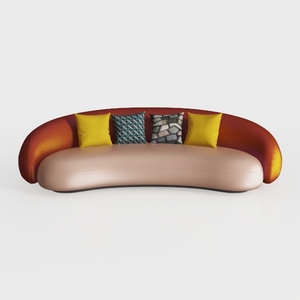
Modern Sectional Sofa Set - with Coffee Table and
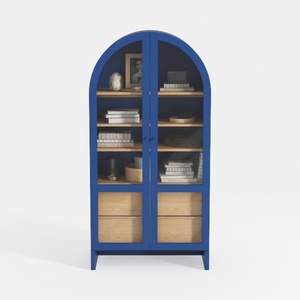
Arched Kitchen Pantry Cabinet with Glass Doors
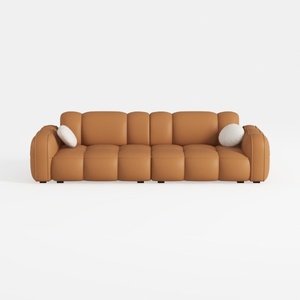

SIMPLIHOME Rex 3-Seater Modular Sofa in Full-Grain
Looking to revamp your space? Homestyler is your go-to online home design platform. With its user-friendly design tool, stunning 3D renderings, and a wealth of DIY video tutorials, you’ll have everything you need to bring your home vision to life effortlessly.
Progetta ora GRATIS
































