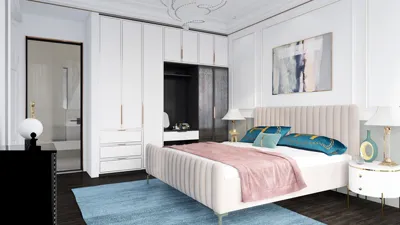


A truly remarkable Deluxe King Room transcends mere dimensions; it provides a serene, harmoniously designed atmosphere that feels intuitive from the moment one steps inside. As a designer, I prioritize qualities like light ambiance, ergonomic features, acoustic control, and deliberate spatial zoning to ensure that each experience—whether resting, working, or relaxing—feels seamless. Utilizing tools like Homestyler can help visualize these concepts effectively.
Comfort begins with a focus on human-centric standards. WELL v2 emphasizes the importance of proper lighting targets in work areas and highlights methods to minimize glare, thereby alleviating eye strain. This translates directly into guest rooms where layered lighting and dimmable features foster a sense of relaxation. Research in ergonomics indicates that maintaining neutral wrist and shoulder positions diminishes musculoskeletal stress; this knowledge informs the height of desks (typically around 28–30 inches), the placement of task lighting, and the reachability of switches. Studies by Steelcase have linked control of ambient conditions to enhanced focus and recovery, supporting the utilization of adaptable lighting and acoustic solutions (Steelcase research).
Effective spatial planning is as crucial as the choice of finishes. Gensler’s analysis shows that clear pathways minimize friction in daily movements; this principle carries over into guest rooms, where distinct zones for sleep, relaxation, and work can reduce the stress associated with clutter. In a Deluxe King Room, I aim to create 36-inch clear pathways, ensuring at least 18 inches between bed edges and walls for easy bed-making, as well as a buffer of 30–36 inches around seating areas to avoid collisions and provide guests ample space to breathe.
Defining the Deluxe King Experience
The core element of a Deluxe King Room is a spacious, well-supported mattress paired with a layered sleep system that includes breathable natural materials, a duvet with a medium fill for seasonal versatility, and a variety of pillow firmness to cater to side, back, and stomach sleepers. I envision the bed wall as a peaceful sanctuary—a warm neutral color scheme, a tactile headboard, and integrated lighting that is soft and accessible. The ambiance should promote relaxation upon entry while effortlessly adapting for reading or late-night work.
Lighting: Layered, Dimmable, Glare-Free
The hierarchy of lighting significantly influences the guest experience. I recommend ambient lighting at levels of 200–300 lux, with task lighting reaching around 500 lux at desks and bedside for reading. Accent lighting via wall grazers or art-focused fixtures adds depth. The color temperature is crucial as well: 2700–3000K is ideal for winding down, while 3000–3500K aids in concentrating on tasks. I ensure light sources are below direct lines of sight to avoid glare and select fixtures with a high Color Rendering Index (CRI 90+) to maintain accurate skin tones and fabric colors. Dimmers should be simple to operate; an intuitive one-touch control for night mode enhances room functionality without complicating usability.
Acoustic Comfort: Quiet by Design
Guests fondly remember tranquility. To achieve this, I incorporate soft-surface absorption elements such as area rugs, upholstered panels, and drapery with acoustic liners, complemented by measures to control sound at doors and connecting walls. Reducing mechanical noise through isolation techniques and low-vibration mounts is essential. In urban high-rises or waterfront locations, I typically specify laminated glazing and well-sealed frames to block out high-frequency noise. Simple additions—like felt pads beneath luggage benches and soft-close mechanisms—can help diminish disruptive sounds that interfere with the restful environment.
Ergonomics: Touchpoints that Feel Effortless
Every frequently touched surface should be easily accessible. A desk height of approximately 28–30 inches paired with a supportive chair and arm height around 25 inches allows for comfortable use, with a minimum foot clearance of 18 inches. I position switches and thermostats within the reach of 42–48 inches from the ground and ensure bedside controls are accessible without twisting. Lever handles are preferred over knobs, rounded edges on furniture promote safety, and slip-resistant flooring with a comfortable feel enhances secure movement.
Color Psychology: Calm Neutrals, Confident Accents
Color influences mood significantly. Research into color psychology suggests that gentle, warm neutrals can lower emotional arousal, while soft blues and muted greens support recovery and enhance mental clarity. I apply bolder accent colors sparingly—such as on artwork, pillows, or a single feature wall—to provide identity without overwhelming stimulation. Using metallics and rich woods adds sophistication, but should be balanced with matte finishes to avoid excessive visual glare.
Spatial Ratios and Zoning
A Deluxe King Room functions best when spatial zones are recognizable at first glance: sleep, lounge, and work. My design targets around 40–50% of the space for sleeping, about 25–30% for seating, and the remainder dedicated to a small yet efficient workspace. Circulation paths should facilitate movement around these zones without interrupting the sleeping area. Utilizing a room layout tool can assist in visualizing optimal bed placements, desk positioning in relation to windows, and luggage storage solutions to ensure smooth traffic flow—valuable tools like Homestyler can be particularly helpful for this.
Furniture and Material Selection
Materials in a guest room greatly affect the tactile experience—guests often notice these aspects first by touch before sight. I incorporate breathable fabrics, durable upholstery in lounge chairs, and sturdy edges on furniture that can withstand frequent use. Flooring should feature softer materials, such as engineered wood or high-quality LVT combined with acoustic underlay to minimize footfall fatigue and noise. For vanities, marble or stone is often a good choice, complemented by warm wood veneers to prevent a cold atmosphere. Sustainability is important, reflected in low-VOC finishes, durable materials, and construction techniques that promote longevity.
Bed Wall and Nightstand Strategy
The bed wall serves as the emotional focal point. I opt for upholstered headboards to introduce a sense of tactile softness and sound absorption. Nightstands must accommodate essentials like books, glasses, and a water carafe comfortably, while also incorporating hidden power outlets and USB ports with a small, dimmable task light to prevent cord clutter. I prefer asymmetrical lighting designs, using one swing-arm lamp for reading and one ambient sconce, allowing individuals to set their lighting preferences independently.
Window Treatments and Daylight Control
Managing daylight effectively enhances wellness. Blackout curtains with features to block light at the edges are crucial for preserving sleep, while a secondary sheer layer can soften incoming sunlight and provide privacy. For rooms exposed to significant sunlight, I add thermal linings to reduce temperature increase and maintain a quieter HVAC system. Control systems should be simple and user-friendly; physical cords or clearly labeled switches are more effective than complicated app-only solutions for the majority of guests.
Technology: Convenience Without Clutter
Technology should remain discreet until needed. I integrate wireless charging into nightstands, manage cables invisibly at the desk, and ensure universal outlet compatibility for international guests. A compact media panel near the TV equipped with HDMI and USB-C ports simplifies streaming or presentations. Thermostats should offer clear indicators and a basic fan mode to conserve energy and build trust with users.
Bathroom Comforts that Feel Residential
Bathrooms, much like the bedroom, carry a lasting impression. I specify high-pressure, consistent shower systems, slip-resistant tiles, ample lighting at mirrors (utilizing vertical sconces to avoid shadows), and countertops that resist stains. Thoughtful storage for toiletries, a dedicated makeup mirror, and a towel warmer elevate a mundane routine to a ritualistic experience. Acoustic seals placed on bathroom doors ensure that early-morning activities remain private and silent.
Storage, Luggage, and Micro-Organization
Thoughtful storage solutions minimize clutter. A luggage bench with a height of 20–22 inches prevents strain on backs. Full-sized closets equipped with lighting, sufficient hangers, and a mid-height safe keep belongings within reach. I also include a narrow drawer tailored for small tech items, a designated shoe tray, and hooks positioned near the entryway for quick drop zones to keep the bed surface tidy.
Scent, Texture, and the Subtleties of Luxury
The essence of luxury lies in the details: a signature neutral scent, plush terry towels with dense loops, and drapes that move smoothly. I select layered textures—such as linen, velvet, and polished stone—so that tactile exploration reveals variety without contributing to visual chaos. The underlying message is one of comfort without extravagance, achievable with the assistance of visualization tools like Homestyler to finalize design choices.
Layout Scenarios for Different Footprints
In more compact Deluxe King Rooms, I position the bed to facilitate movement, place the desk adjacent to the window for natural light, and choose a single lounge chair with an ottoman instead of a larger sofa. For spacious accommodations, I create a cozy lounge area with two chairs and a table while incorporating a credenza to anchor the television wall. Prior to finalizing designs, I simulate furniture clearance and sight lines using an interior layout planner such as Homestyler which aids in refining placements effectively.
Serviceability and Housekeeping Efficiency
Design should respect the operational needs of housekeeping. Features such as rounded bases on beds minimize tripping hazards, robust corners protect walls during luggage handling, and sufficient space for bed-making can save staff time for each room. Surfaces must be easy to clean, and hardware that minimizes visible fingerprints keeps the ambiance fresh between deep cleans.
Future-Proofing: Trends for 2024–2025
Travelers increasingly expect better sleep experiences, quieter technology, and intuitive controls. I anticipate greater demand for biophilic design elements—natural woods, greenery, and modulated daylight—paired with gentle wellness features like breathable bedding and ergonomic workspaces. Strategies featuring low-glare, adjustable lighting combined with acoustic considerations will shape premium comfort more than superficial elements.
FAQ
Ambient lighting levels around 200–300 lux foster relaxation, while designated task areas—like desks or bedside for reading—should see about 500 lux. Combining these with dimming and glare control enhances overall comfort.
For wind-down periods, utilize 2700–3000K lighting, shifting to 3000–3500K for focused tasks. Warmer tones create a calming environment, while slightly cooler whites assist with concentration without appearing sterile.
Aim for a clear pathway of 36 inches around bed and major pieces of furniture. Maintain at least 18 inches between bed sides and walls or other furniture to facilitate movement and ease bed-making tasks.
A desk height of 28–30 inches, paired with an ergonomic chair, a task light providing 500 lux, and organized cable management to keep surfaces clear are key. Ensure outlets and USB ports are easily accessible.
Combine soft furnishings—like rugs, drapery, and upholstered wall panels—with enhanced soundproofing at doors and effective glazing. Utilize isolation mounts for mechanical noise and soft-close hardware to reduce unwanted disturbances.
Use breathable textiles, durable upholstery designed to withstand high traffic, engineered wood, or premium LVT complemented by acoustic underlayment, along with stone surfaces for vanities. Prioritize low-VOC finishes for better air quality.
Clearly define the sleep, lounge, and work zones. Ensure circulation paths are unobstructed and use design simulation tools like Homestyler to visualize furniture arrangements and optimize placements effectively.
Incorporate simple dimmer switches with a night setting and clear labeling. Providing centralized bedside controls for reading, ambient lighting, and blackout shades reduces confusion for guests.
Layer blackout curtains with sheer options. Utilize side channels for complete blackout capabilities, and thermal linings in environments with strong sunlight to manage heat and sound effectively.
Integrate wireless charging capabilities, offer universal outlets, conceal cable management effectively, and provide a compact media panel near the television. Make thermostats user-friendly.
Include a luggage bench, spacious closet with lighting, mid-height safe, entry hooks, and a narrow tech storage drawer. These features can prevent clutter while maintaining an elegant aesthetic.
WELL v2 offers key guidance on lighting quality, air quality, and thermal comfort. Evidence from Steelcase and Gensler underscores the impact of these designs on user behavior and environmental performance.

Rattan Nightstands Set of 2, Boho Night Stand with
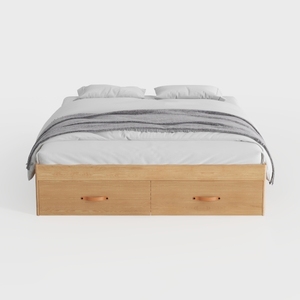
Merax Platform Bed, Full Size Wooden Bed Frame wit

Baxton Studio Jaiana Tufted Platform Bed, Queen, G
Homestyler is an outstanding online home design platform that simplifies the creative process. With its intuitive design tool, stunning 3D rendering options, and extensive DIY video tutorials, you can effortlessly transform your home ideas into reality. Start designing your dream space today!
지금 무료로 디자인하세요
































