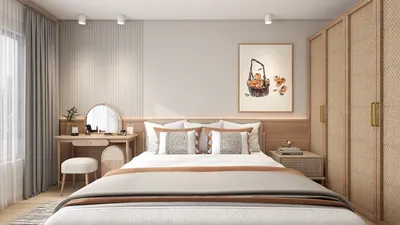


Establishing a vanity space in a small room is entirely feasible when you consider the right dimensions, strategic lighting, and organized storage. In my experience of designing numerous grooming corners within urban apartments, lofts, micro-studios, and shared living spaces, certain key principles always apply: scale down your furniture, utilize light effectively, and maximize every inch of space.
Adequate lighting is essential for effective grooming. The Illuminating Engineering Society advises lighting levels between 300-500 lux for activities like skincare and applying makeup, achievable through layered light sources and fixtures that provide high color rendering index (CRI) to accurately reflect skin tones (including R9). Furthermore, WELL v2 recommends minimizing glare and opting for flicker-free, consistent color lighting to alleviate eye strain during detailed work. For vanity lighting, I recommend a baseline of dimmable fixtures in the 2700–3500K range, supplemented by vertical illumination at face level to diminish shadows.
Efficient small vanities thrive on a clear workflow—sit, reach for items, groom, and put everything away. Research from Steelcase links disorganized visual spaces to increased cognitive load and distractions in work environments, a principle that remains true for grooming stations where swift choices regarding makeup and accessories are necessary. I limit visible items on compact vanities to one-third of the surface space, stowing the remainder in organized, shallow compartments, allowing for a serene and quick daily routine.
Optimizing Vanity Dimensions: Depth, Width, and Space for Legs
In constrained bedrooms, a depth of 12-16 inches is surprisingly effective; combining this with a width of 24-30 inches and knee clearance of 26-28 inches works beautifully. The advantage of a shallow depth is significant—it ensures comfortable movement while accommodating a mirror and slim drawers. If sharing the room with a bed, maintain at least a 30–32 inch clear walkway to prevent nighttime accidents. If desk-like depth isn't possible, consider a floating top while relocating storage to mounted solutions or narrow pedestal drawers.
Wall-Mounted and Floating Options
Installing floating vanities can create an illusion of spaciousness in small rooms by exposing more floor area. I attach a 12-14 inch deep surface to blocking in the wall and conceal cords for hair tools. A slender, wall-mounted drawer (internally 3-4 inches high) is suitable for items like palettes, brushes, and serums while keeping clutter at bay. Renters might find a rail system with clip-on shelves adaptable to their changing routines.
Mirrors That Function as Lighting
Edge-lit mirrors boasting a high CRI (90+) offer smooth, shadow-free light. Accompany these with vertical sconces or integrated lighting columns centered at 60-65 inches above the finished floor to evenly light the face. Aiming for 300-500 lux illumination on the face is ideal. If dimmers are used, designate a preferred setting to avoid overly bright mornings. Retaining a color temperature of 3000–3500K ensures accurate makeup application, while 2700K is suitable for evening relaxation.
Chairs, Stools, and Ergonomic Design
Comfortable seating is vital for a swift and supportive grooming routine. Ideally, seat height should be between 16-19 inches for surfaces at 28-30 inches high; adjustable stools work well for taller tops. I prefer compact seating (under 16–17 inches wide) with either a shallow back or no back at all, allowing it to be tucked completely under the vanity. Consider adding soft glides or felt pads to facilitate quiet movement, especially during early morning sessions. For routines heavy on makeup application, a footrest rail can alleviate strain on the lower back during forward reaches.
Smart Storage Solutions: Shallow Drawers and Vertical Systems
Shallow storage often outperforms deep drawers in compact vanities. Using 2–3 inch trays with modular dividers allows for organized sections: one for face products, another for eye items, and a third for tools. Augment vertical space with a slim mirror medicine cabinet or a 4–6 inch deep wall case for skincare products. For the inside of cabinet doors, consider magnetic strips for metal tools and heat-resistant sleeves for curling irons; light labeling on dividers enables quick retrieval without unnecessary searching.
Foldable and Convertible Surfaces
In ultra-small studios or shared living spaces, a drop-down or flip-up mirror can transform surfaces for multifunctional use. I favor piano hinges with a soft-close feature; when closed, it presents as a console table. A shallow lip inside can secure smaller items from sliding when the surface is folded down. If you're contemplating changes to the layout, using a room design tool like Homestyler allows you to test the placement of doors and stools before committing to any drilling.
Interior Layout Planner
Flattering Light Layering
Incorporate vertical task lighting with ambient sources and a compact desk lamp for fine-tuning. To control glare, position fixtures slightly beyond the outer edges of the face to minimize harsh shadows. Utilizing diffusers on LED strips behind mirrors with a CRI of 90+ ensures a gentle glow. Should your routine include early mornings, using warm lighting (2700-3000K) can ease the transition from sleep; conversely, evenings can embrace cooler tones, as long as they don't overly wash out your complexion.
Color Influence and Material Selection
Color influences our perception of skin tone. Opt for neutral, warm whites for walls (steering clear of blue undertones) to enhance true makeup colors. Backdrops in blush, terracotta, or soft beige appear flattering in mirrors without distorting skin tones. Semi-matte surfaces help in reducing glare. For eco-friendly choices, select materials that are FSC-certified and low-VOC, alongside hardware that is easy to dismantle and recycle later. Integrating tactile materials—like linen drawer liners, oak edges, and brushed metal handles—imparts a sense of subtle luxury without overwhelming the aesthetic.
Traffic Flow and Visual Serenity
Position the vanity to avoid intersecting with bed movement zones and door swings. I prefer aligning mirror placement with natural light whenever possible, never relying solely on a single window for accurate makeup application. Conceal electronic cords using a slim grommet and a shallow under-mount tray to manage power strips. Visually, aim to limit countertop items to three: one tray, one container, plus one daily-use holder, while storing the rest inside cabinets.
Efficient Designs with Minimal Footprint
Widen a window ledge to 10-12 inches with a finished surface and add a pivot mirror alongside low-glare sconces. Sufficient natural light is beneficial, while consistent artificial lighting offers reliability.
Utilizing a 90-degree corner shelf with a rounded front can save space. Affix a corner mirror and conceal storage with a triangular drawer below, excellent for room layouts with peculiar angles.
Repurpose a shallow closet by removing the doors, adding a 14-inch surface, mirror, and side storage. Incorporating a curtain softens the overall appearance while camouflaging the setup when visitors arrive.
Implementing a ladder shelf system can dedicate one rung as a vanity surface while allocating others for storage and decoration. Attaching a task light to the frame allows you to route cords down the back for a tidy look.
Mirror Dimensions for Makeup Application
For optimal facial framing, the mirror should measure at least shoulder width plus an extra 4 inches. The center should align with standing eye level for grooming while seated users should position the bottom edge 12-14 inches above the countertop. Using anti-fog film is advantageous in ensuites; emphasize anti-glare coatings for bedrooms.
Acoustic Comfort for Shared Spaces
Small rooms tend to magnify sound. Using felt pinboards, cushioned stools, textured wall panels, and a small rug under the stool can reduce noise during early morning routines. If blow-drying at the vanity, position the electrical outlet to the side to minimize cable noise against the mirror, and consider adding a soft mat to dampen vibrations.
Budget Planning: Areas to Invest
Focus your investment on lighting and mirrors while opting for economical surfaces. A laminate or compact surface works well provided that your mirror is sharp and the lights are high-CRI and dimmable. The quality of hardware is crucial—smoothly functioning slides enhance the feel of shallow drawers. Incorporating a small wireless charger beneath the surface ensures a clutter-free top while keeping your phone within reach for setting timers.
Reference Guidelines and Expanded Reading
For guidance on lighting levels and glare mitigation, consult the IES recommendations and the WELL Building Standard for light quality and flicker control. Insights from Steelcase regarding design behaviors in compact workspaces provide valuable perspectives for maintaining clarity in decision-making and visual harmony.
IES Standards
FAQ
In small spaces, maintain a depth of 12-16 inches, together with a clear walkway of 30-32 inches to ensure daily circulation is unimpeded.
Aim for 300-500 lux illumination on the face using lights with a CRI of 90+ in the 3000-3500K range. Vertical sconces or edge-lit mirrors positioned at face height will help avoid shadows.
While natural light is beneficial, it shouldn’t be your sole source. Given its variability throughout the day, balance it with dimmable artificial lighting for consistency.
Limit visible items to three and utilize shallow drawer inserts (2–3 inches) to maintain organization. Magnetic panels inside cabinet doors are perfect for keeping tools handy yet out of sight.
For optimal seating, a height of 16-19 inches matches a surface of 28-30 inches. Opt for a slim stool that slides completely beneath the vanity; include felt pads for noise-free adjustment.
Yes, if securely mounted into wall blocking and supported with sturdy brackets. Keep surfaces about 12-14 inches deep, avoiding heavy stone on thin walls.
Incorporate a cable grommet for clean power access and use an under-mount tray to store power strips. Heat-resistant sleeves in a side cabinet keep heated tools safely contained.
Select a mirror that is at least your shoulder width plus 4 inches. For seated use, position the bottom edge 12-14 inches above the countertop for unobstructed sight lines.
Certainly—consider a flip-up mirror that includes integrated storage, and make sure your lighting is on a separate dimmer to keep workspace clutter minimal.
Warm, neutral colors and soft beiges help in avoiding the casting of cool tints. Keep finishes semi-matte to reduce glare while preserving the integrity of colors used in makeup.

Rustic Solid Wood Freestanding Bookcase Cabinet With Drawers 3D Model

Minimalist Black Framed Round Backlit Wall Mirror 3D Model
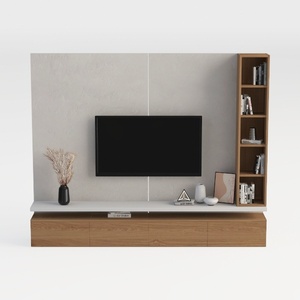
Minimalist Solid Wood and White TV Stand Wall Unit with Bookshelves 3D Model
Homestyler is an exceptional online home design platform, perfect for anyone looking to bring their ideas to life. With its user-friendly design tool, stunning 3D renderings, diverse design projects, and helpful video tutorials, transforming your space has never been easier or more enjoyable!
تصميم الآن مجانا
































