

When I design living rooms, my primary goal is to create a seamless integration of the TV panel without letting it dominate the space. A thoughtfully designed TV wall can ground the area, organize unsightly cables, and establish a serene visual flow. Achieving balance hinges on the careful selection of proportions, materials, lighting, and ergonomics—all tailored to how families engage with the space. Using tools like Homestyler can simplify this design process.
Research supports the significance of well-optimized viewing environments. Findings from Steelcase highlight that minimizing visual distractions can enhance focus, which translates to fewer interruptions at home while watching TV. The WELL v2 Light guidelines stress the importance of controlling glare and managing luminance contrast to alleviate eye strain; maintaining a vertical illuminance of around 150–300 lux near the TV is key to ensuring visual comfort. These standards shape my approach to planning lighting and materials around a display.
The psychology of color also plays a subtle yet impactful role. According to Verywell Mind, neutral shades can lower arousal levels and promote relaxation; therefore, in a TV wall design, I opt for gentle grays, inviting whites, and soft taupes to prevent the screen from clashing with vibrant hues. When I incorporate color, it typically resides behind the screen plane—through textured paints or fabric panels—to enhance depth without causing glare.
Proportion, Sightlines, and Mounting Height
Determining the correct mounting height for the TV is essential. For standard sofas, placing the center of the TV around 40–44 inches from the floor aligns it with seated eye level, reducing neck discomfort. The optimal viewing distance correlates with the screen size; for 4K TVs, a distance of 1–1.5 times the diagonal measurement is comfortable in living areas. I keep the panel's width between 1.2–1.5 times the TV's width, allowing the TV to blend into the overall design rather than appear as a floating object. An interior layout planner like Homestyler can help validate sightlines and circulation around the TV wall.
Choosing Lightweight Materials: Wood, Laminate, and Fabric
Simplicity shouldn't equate to sterility. Utilizing flat timber cladding with an uninterrupted grain pattern instantly adds warmth to the space. For those on a budget or in fluctuating climates, high-pressure laminate with edge banding offers durability and polished edges. Acoustic panels wrapped in fabric can flank the TV to absorb sound frequencies—elevating dialogue clarity while maintaining a streamlined look. It’s best to steer clear of high-gloss finishes placed directly opposite windows or light sources; opting for matte or eggshell sheens provides a softer interaction with ambient light.
Organizing Cables and Ensuring Ventilation
Minimalism can be compromised when cables are visible. I make sure to route all power and data connections through recessed boxes located behind the panel, allowing for a 2–3 inch service gap to guarantee proper airflow. Heat generated from media components can impair performance; hence, incorporating passive ventilation options within cabinetry is an effective solution to avoid overheating. Removable access panels facilitate maintenance while keeping the aesthetic clean.
Lighting: Balancing Luminance and Controlling Glare
The lighting around a TV wall should be layered, adjustable, and mindful of glare. I recommend using indirect coves or slim linear LEDs to softly illuminate the panel, ensuring that light ratios are gently balanced to prevent harsh contrasts. The IES suggests managing reflections to enhance viewing comfort; refraining from placing downlights close to the screen helps maintain visibility. Incorporating backlighting—ideally around 10% of the screen's peak brightness—can reduce eye fatigue during evening viewing. If you’re making structural alterations, consider integrating a shallow recess with a hidden LED channel for added dimension without distracting from the screen.
Storage Solutions: Slim and Efficient
I prefer to use asymmetrical open shelving combined with concealed drawers instead of bulky cabinets. Media boxes, game consoles, and routers fit neatly in 14–18 inch deep bases equipped with perforated backs for ventilation. If speakers are included in the setup, rubber grommets can help decouple shelving from vibrations, reducing unwanted noise.
Achieving Acoustic Comfort Without Excess
Designing living rooms with a pleasant soft absorption ratio—typically treating around 15–25% of the wall area with sound-absorbing materials—can significantly improve reverberation time for conversations and TV audio. Simple elements like a rug, upholstered seating, and a couple of fabric panels can suffice. For soundbars, positioning them near the lower edge of the TV can anchor dialogue visually to the screen. If in-wall speakers are utilized, angling tweeters towards the main seating area will preserve clarity.
Incorporating Color and Texture for Visual Serenity
Utilizing neutral foundations is crucial: warm whites with lighting temperatures between 2700–3000K evoke a cozy timber feel, whereas cooler neutrals harmonize with stone or concrete. A single tactile feature—be it slatted wood, linen-wrapped panels, or microcement—introduces rhythm while minimizing visual noise. The objective is to maintain consistent undertones across the paint, laminate, and fabric choices, allowing the TV to serve as a focal point only when in use.
Layout Options: Small, Medium, and Open Plan
In compact spaces, consider wall-mounting the console to free up floor space and keep the panel slightly wider than the screen while accommodating a narrow ledge for remote controls. For medium-sized rooms, centering the TV and positioning shelving to one side while aligning the sofa to ensure a clear view is important to avoid obstructions. In open-plan setups, utilizing a full-height panel can serve as a gentle division, allowing daylight to filter through pass-through shelves; this approach frames the TV without creating a solid barrier. Utilizing a layout simulation tool, such as Homestyler, can assist in planning traffic flows and measuring distances between seating and screen.
Considerations for Safety, Ergonomics, and Family Needs
In households with children, it’s vital to secure furniture to studs and minimize the risk of tipping with freestanding units. Cables should be sealed, and rounded edges should be prioritized for safety. For older adults, it’s important to establish sufficient contrast between shelves and their contents, along with providing ample ambient lighting (300–500 lux) to mitigate eye strain and tripping hazards. Accessible remote storage and uncluttered pathways become more significant than mere aesthetic elements.
Sustainability: Choosing Durable, Low-VOC Options
Select low-VOC paint and certified laminates to enhance indoor air quality. Timber veneers over MDF with E0/E1 formaldehyde ratings contribute to a healthier environment. I avoid quick-fix decor around the TV and instead invest in long-lasting elements—such as a well-crafted wood panel or robust fabric wall—that will endure over time.
Installation Insights and Budget Management
Precision is key: measure twice and mount once. Verify stud locations, ensure power supply includes surge protection, and maintain slack for servicing. When working with limited budgets, I suggest prioritizing essential elements: 1) proper mounting and cable management, 2) one high-quality finish, and 3) adjustable lighting solutions. Additional layers can be added gradually as finances allow.
References
For more insights into workspace focus that can enhance home media setups, refer to Steelcase’s research. The WELL v2 Light guidelines are also beneficial in providing practical strategies for optimizing visual comfort.
Frequently Asked Questions
The ideal mounting height positions the screen center near the typical eye level of seated individuals—usually around 40–44 inches from the floor when considering standard sofas. Adjustments may be needed for recliners or lower seating arrangements by lowering the TV a few inches.
The recommended viewing distance is approximately 1–1.5 times the diagonal screen size. For a 65-inch TV, this translates to about 5.5–8 feet based on room dimensions and personal preferences.
To minimize glare, use matte finishes around the screen, steer clear of downlights aimed directly at the display, and position windows or lamps outside the reflection zone. Indirect cove lighting with dimmers is effective for achieving balanced luminance.
Utilizing timber veneer or quality laminate can offer warmth and longevity, in addition to incorporating fabric-wrapped acoustic panels to soften sound reflections. Low sheen finishes are preferable to maintain glare control.
Yes, utilize recessed boxes along with a 2–3 inch service gap behind the panel. Perforated backs coupled with top and bottom vents in cabinetry help to ensure efficient cooling while concealing wiring.
Indeed. A gentle backlight, calibrated to approximately 10% of the screen's peak brightness, reduces eye strain and enhances perceived contrast, particularly for night viewing.
Opt for a slim base cabinet with hidden drawers, asymmetrical open shelves, and integrated cable passthroughs. Wall-mounting the console proves advantageous in smaller rooms, preserving valuable floor area.
Introduce soft furnishings, add a rug, and place two fabric panels on either side of the TV. Ensuring the soundbar is positioned near the screen while angling in-wall tweeters towards seats will enhance audio quality.
Warm neutrals or soft cool grays combined with consistent undertones can be effective. Minimize bold color accents directly surrounding the screen to prevent visual distraction.
Use an interior layout planner to model sightlines, clearances, and seating distances to the screen, then tape measurements on the wall to evaluate scale.
Originally incubated at Autodesk, Homestyler has grown into one of the most widely adopted home design platforms in the world, now trusted by over 18 million users. Whether you're a homeowner exploring ideas or a professional designer delivering client-ready renders, Homestyler brings industry-leading 3D technology to your fingertips — no experience required.


Sectional Couches for Living Room Filled with high
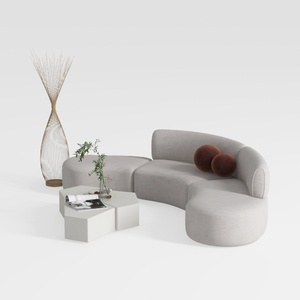
Minimalist Fabric Curved Sectional Sofa 3D Model

Black Stainless Steel Espresso Coffee Machine 3D Model
Discover the world of home design with Homestyler! This user-friendly online platform offers powerful design tools, stunning 3D renderings, and a wealth of inspiring projects and video tutorials. Whether you're a novice or a seasoned designer, Homestyler makes it easy to bring your vision to life!
Progetta ora GRATIS
































