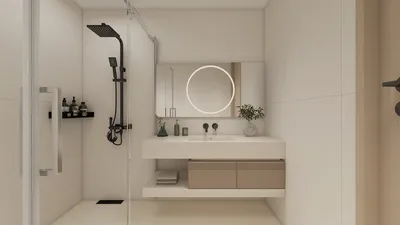


I've discovered that in confined spaces, the essence of scent relies more on management than mere strength. Room freshener sticks, commonly recognized as reed diffusers, are particularly effective as they dispense fragrance naturally, without the need for heat or electrical sources. This allows for easy adjustments by modifying the quantity of reeds used. In smaller areas, the objective is to create a harmonious olfactory ambiance that enhances light, color, sound, and material choices, rather than an overpowering fragrance that might overwhelm the senses. Utilizing tools like Homestyler can help visualize and coordinate these elements effectively.
The effectiveness of scent in a room is closely tied to human experiences. Studies indicate that the quality of indoor environments greatly influences overall satisfaction and efficiency: the WELL Building Standard emphasizes that enhancing sensory comfort, including olfactory experiences, contributes positively to occupants' well-being. Reports from Steelcase feature that environments perceived as peaceful and manageable boost concentration and satisfaction. Their research highlights that a balanced sensory environment—incorporating sound, light, and subtle scents—can lower cognitive burden and anxiety, especially in compact settings. In terms of lighting, I adhere to IES standards for glare reduction and optimal brightness, as a softer visual experience allows a subtle fragrance to feel elegant rather than intrusive. For further guidance on health-oriented spaces, WELL v2 provides robust frameworks regarding air quality and material standards.
Understanding color psychology can help refine fragrance application. According to Verywell Mind, soothing colors such as soft blues and greens typically evoke tranquility, while vibrant hues (like deep reds) tend to energize; hence, when choosing reed diffusers, I pair cooler color schemes with refreshing aquatic or herbal scents and warmer tones with rich wood or spice aromas, ensuring the sensory experience remains cohesive and non-competitive. This strategic pairing can be enhanced by using Homestyler for virtual room planning.
How Reed Diffusers Operate in Small Areas
Reeds utilize capillary action to siphon fragrance oil, releasing it gradually into the air. In compact areas like powder baths or tiny studios, 1–4 reeds are usually sufficient. For stronger bursts of fragrance, you can add more reeds temporarily, then remove or rotate them to prevent overwhelming the atmosphere. It's best to position the diffuser away from heating vents and direct sunlight to avoid rapid evaporation and scent accumulation.
Strategic Placement and Airflow Considerations
It’s recommended to place the diffuser at a height where it is level with the nose while standing, ideally 1–2 meters away from high-traffic areas to allow for a gentle scent gradient instead of an intense hit. Corner placements may work if there's soft cross-ventilation; otherwise, positioning it near the door latch side welcomes guests without being overbearing. When organizing furniture and circulation within narrow spaces, employing a room layout tool like Homestyler can assist in visualizing traffic flows to ensure the diffuser remains unaffected by drafts or heat sources that could disrupt scent dispersal.
Adapting Scent Profiles to Space Utilization
Align fragrance choices with intended space activities: fresh citrus and gentle florals for transitional areas (like entries and powder rooms), earthy herbal and mineral scents for reading nooks, and deeper woodsy or resinous aromas for evening relaxation areas. In compact bedrooms, opt for subtle fragrances—like lavender or neroli at low concentrations—to aid relaxation. For versatile studios, consider changing scents seasonally to prevent olfactory fatigue: refreshing green tea in spring, sea salt in summer, cedar in autumn, and cardamom in winter provide a varied sensory experience.
Regulating Scent Intensity Effectively
Begin with lower intensities: fewer reeds, shorter reeds, or enhancing a concentrated oil with a neutral base. Only flip the reeds for an occasional fragrant boost if needed. If the fragrance feels too strong, reduce the number of reeds and ventilate the space by opening a window for five minutes; this method resets the ambiance effectively without simply masking it. For smaller bathrooms, select smaller bottles (50–100 ml) to reduce fragrance saturation and replace oils monthly to maintain quality.
Sustainability and Material Selections
Opt for rattan reeds, known for their superior capillary properties. Ensure fragrance oils are phthalate-free and check for transparent IFRA compliance regarding safety. Choose glass containers over plastics for enhanced chemical stability—dark amber glass is particularly beneficial as it shields oils from UV exposure. Refill oils instead of replacing the entire unit to minimize waste. For improved air quality, ensure your choices align with the health-conscious guidelines set by WELL v2, steering clear of heavy solvent carriers.
Lighting Influence on Scent Perception
Excessive glare can heighten discomfort; even a desirable fragrance may seem oppressive in a harshly lit environment. Adhering to IES guidelines for ambient and task lighting levels is crucial, maintaining a consistent color temperature (approximately 2700–3000K for living spaces) while reducing harsh reflections through matte finishes. Under warm light, wood and spice scents feel inviting; conversely, a cooler ambiance enhances the perception of herbal and aquatic fragrances as fresh.
Acoustic Elements Affecting Scent Perception
Rooms with hard surfaces can amplify sound and other stimuli, making scents feel more pronounced. Incorporate softer materials—like rugs, fabric curtains, or cork wall tiles—to lower sound reflection. In compact bathrooms, using a fabric shower curtain along with a simple bath mat can absorb enough sound to make the diffuser’s fragrance feel subtle rather than overwhelming.
Spatial Harmony and Collected Visuals
Ensure that the size of the diffuser matches the scale of the room. In areas of 6–8 m², compact diffusers should be chosen to minimize visual overload. Place vessels on trays with catch coasters to visually define the area and enhance maintenance ease. Position reeds near vertical structures (such as mirrors or artwork) to achieve a unified aesthetic.
Maintenance Recommendations
Regularly clean the neck of the bottle, dust off reeds, and replace them every 2–3 months as they can become clogged. Continuously topping up the oil is better than waiting for the bottle to deplete, ensuring consistent scent release. If you notice an alteration in scent quality, refresh with new reeds prior to changing oil brands, as reeds often cause diminishing fragrance.
Common Scent Missteps to Avoid
Avoid overloading with excessive reeds, placing the diffuser near heat sources, mixing incompatible scent profiles, and neglecting ventilation patterns. In compact kitchens, steer clear of strong gourmand scents (like vanilla or caramel) as they can clash with cooking odors and feel intrusive.
Quick Setup Guide for Compact Spaces
- Select a compact glass diffuser, opt for phthalate-free oil, and choose rattan reeds.
- Initiate with 2–3 reeds, adjusting further after one day based on your preference.
- Position it 1–2 meters away from main pathways and away from direct sunlight and vents.
- Pair your scent choices with the color scheme and warmth of lighting.
- Refresh reeds every 8–12 weeks to maintain optimal scent diffusion.
Resources for Health and Comfort Optimization
For structured insights on enhancing indoor environmental quality and sensory comfort, review the criteria set forth by WELL v2. For effective lighting balance and glare moderation, refer to IES standards. Steelcase’s comprehensive research archive also provides valuable information on comfort in workplace settings and small areas.
Frequently Asked Questions
Start with 2–3 reeds and wait a full day to evaluate the scent diffusion, adjusting as necessary. Using more than 4 reeds can be overwhelming in small, low-ventilated spaces.
Place it near the entryway or transitional areas, maintaining a distance of 1–2 meters from seating or bedding. Keep it away from heating vents and direct sunlight for consistent diffusion.
Only flip reeds when a temporary boost is desired, typically before visitors arrive. Frequent flipping can fast-track evaporation and lead to scent saturation in smaller rooms.
Opt for light, clean fragrances: citrus, herbal, aquatic and soft floral elements. Avoid heavy gourmand scents and dense ambers, as they may become overwhelming in constricted spaces.
Select phthalate-free oils with documented IFRA compliance. Moderate volumes are crucial, ensuring occasional venting. Align your oil choices with WELL v2 recommendations for healthier indoor environments.
Yes, warm lighting (around 2700–3000K) enhances cozy wood and spice aromas, while cooler temperatures (3500–4000K) are better suited for herbal and aquatic scents. Manage glare as per IES guidelines.
Consult a veterinarian about specific oils. Keep diffusers out of pet-reachable areas, avoid potent essential oils known to be unsafe for animals, and ensure regular ventilation.
Use dark amber glass for storage, keep away from direct sunlight and heat, and refresh reeds every 2–3 months for best results. Topping off the oil is more effective than letting the vessel run dry.
To reset the scent, reduce the number of reeds, increase oil dilution, and briefly open a window. Position the diffuser further away from seating to diffuse the scent more gently.
Avoid using it near vents. Returns can disrupt steady scent flow and heighten evaporation rates. Instead, select calmer airflow zones for the most even fragrance distribution.
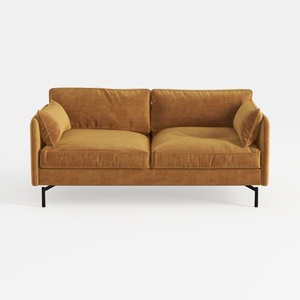
Corduroy High Resilience Sofa with 2 Pillows,57.9
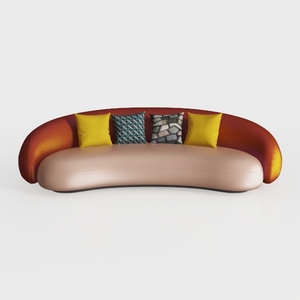
Modern Sectional Sofa Set - with Coffee Table and

HULALA HOME 83" Genuine Leather Sofa with
Looking to transform your space? Homestyler is the ultimate online home design platform! With its user-friendly design tool, stunning 3D renderings, and a wealth of DIY video tutorials, you can easily create and visualize your dream home. Start your design journey today!
Design Now for FREE
































