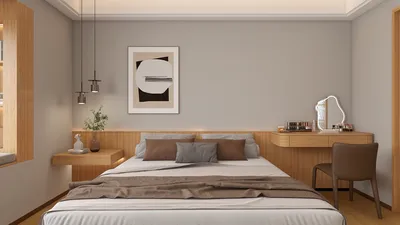


When I plan party spaces, I treat them similarly to how I create pop-up hospitality venues: set the atmosphere, design an effective flow, and utilize lighting and color as my main tools. A strategically placed lighting arrangement combined with a coherent color scheme can achieve more than any collection of props. Research consistently supports this view. According to Steelcase, the quality of lighting significantly influences both mood and energy, affecting comfort levels and overall experiences; their findings link adjustable lighting to enhanced satisfaction and engagement. The WELL v2 framework also underscores the importance of circadian-friendly lighting and glare management, both of which have been shown to boost comfort and alertness. Even minor adjustments—correct color temperatures and layered lighting—yield benefits as soon as guests enter the space.
Colors play a vital role in setting expectations instantly. According to Verywell Mind’s overview of color psychology, warm tones are associated with social interactions, while cool hues provide a sense of calm; for high-energy gatherings, I implement vibrant accents, and for quieter events like dinners, I opt for soft, muted palettes. Space design choices can also influence behavior: narrow entrances promote movement, designated lounge areas invite guests to linger, and clear sightlines help minimize confusion. For efficient planning, I recommend a room layout tool such as Homestyler to visualize traffic patterns, bar placements, and sightlines prior to rearranging furniture. For a more comprehensive look at lighting health, WELL's Light concept serves as an excellent reference (v2.wellcertified.com).
Creating the Ambiance with a Distinct Theme and Color Scheme
Select a singular theme and distill it into a color palette that includes 2 to 3 main colors along with one metallic or neutral shade. I tend to keep the foundational room elements uncomplicated (such as linen, wood, and soft black) while allowing the accents to define the atmosphere: jewel tones for a glamorous cocktail affair, bright citrus for a summer celebration, or a monochromatic scheme enhanced by a single accent for a modern minimalist feel. Ensure this palette is consistent across balloons, textiles, florals, candles, and menu cards to achieve a cohesive aesthetic. It’s wise to limit complex patterns to one standout design; all other elements should remain solid or textured.
Organize the Space into Functional Zones
Successful gatherings feel instinctive because the environment indicates where activities should occur. I divide the space into designated areas: welcome (for entry signals and coat placement), mingle (with high tables or perches), an anchor feature (like a photo wall, DJ station, or key decor), service (bar and food stations), and retreat (soft seating). If space is at a premium, consider merging the mingle and service areas, but keep the anchor feature positioned opposite the entry to draw guests in. I often use layout simulation tools like Homestyler to test crowd movement and service arrangements before finalizing the design.
Master the Art of Lighting: Layered, Adjustable, and Purposeful
Lighting is one of the quickest ways to transform a space. I implement three types of lighting: ambient (to create warmth on the ceiling and walls), focal (to illuminate specific areas like the bar or art pieces), and decorative (including string lights or candles for added sparkle). It’s important to minimize glare on faces and the bar area, as glare can detract from comfort. For social settings, I prefer a warm white light ranging from 2700 to 3000K in relaxation zones, and 3000 to 3500K near food and service areas for optimal visibility. As you transition from cocktails to dancing, dim the ambient lighting by 30-40% and enhance colored accent lighting to change the mood while maintaining orientation. Adhering to IES standards for vertical illumination enhances how people appear when lit from the side rather than directly overhead, which can create harsh shadows.
Capture Attention with a Striking Focal Point
A captivating focal point can emphatically define the room and elevate photographs. My past setups have included: a fabric-draped arch illuminated with uplights, a wall adorned with oversized paper flowers, a vinyl quote display, or a sequined backdrop complemented by side sconces. To optimize photos, keep the central area unobstructed (about 6 to 8 feet wide) and ensure it’s lit from the sides to avoid unflattering shadows. This is an ideal spot for a cake table or a signature drink station, blending form and function beautifully.
Understanding Color Psychology: Energetic vs. Intimate
For lively gatherings featuring dancing or games, I incorporate warm reds and oranges as accent colors or floral arrangements to boost energy and sociability. In contrast, for intimate dining experiences, I utilize cool greens and softer blues to create a serene atmosphere. Color can be applied using gels on lighting fixtures, LED strips behind furniture, or table decor. I avoid using pure blue light near food, as it can suppress appetite, and instead use candlelight or 2700K LEDs on dining tables to enhance the appearance of skin tones.
Incorporating Textiles, Surfaces, and Acoustic Comfort
Rooms with hard surfaces can echo, which is why I introduce area rugs, fabric runners, and cushioned seating to help absorb sound. Sheer drapery placed across walls can reduce reverberation enough to facilitate easy conversations without compromising the atmosphere. If music is a pivotal part of the event, ensure speakers are angled to prevent overwhelming noise for nearby guests; often, two smaller speakers positioned opposite each other are more effective than one larger unit. It’s also wise to position the dance area at least 8 to 10 feet away from the main seating arrangement to maintain a comfortable conversation space.
Designing Bars and Food Stations for Optimal Flow
Bars can disrupt circulation if not designed thoughtfully. I recommend positioning the bar at an angle to traffic, allowing for 4 to 5 feet of clear queue space, accompanied by a separate area for picking up pre-prepared drinks. Small snack stations can be strategically placed in corners to invite movement throughout the space. Ensure waste bins and bussing areas are discreetly hidden behind screens or sideboards, keeping the visual aesthetic neat. If a chef station is featured, elevate its presence with back-lighting and a sleek overhead banner for visibility.
Quick Decorative Enhancements That Convey Elegance
- Overscale one impactful element: a towering floral arrangement or an 8-foot balloon garland instantly conveys 'event.'
- Create rhythm through repetition: twelve identical bud vases along a table create a cohesive look versus twelve disparate ones.
- Cluster candles in threes at varying heights; safety-enhanced enclosed hurricanes can amplify glow.
- Utilize mirror trays beneath candles or florals to double the illumination without additional fixtures.
- Maintain a cohesive element for vessels; opt for either all glass, all ceramic, or all metal to reinforce the theme.
Photo-Friendly Space and Clear Sightlines
Think from a photographer's perspective: maintain a shooting distance of 10 to 12 feet in front of the focal wall and ensure there’s at least one unobstructed wall without visible outlets or doors within the shot. For smaller rooms, angling the focal wall from corner to corner can create an illusion of depth and make the backdrop appear larger. Avoid backlighting faces from windows; instead, introduce a soft front light (through diffused lamps or bounced LEDs) to maintain natural skin tones.
Swift Transformations for Various Room Functions
Rearrange seating to open the area, create a central dance space free of rugs, and introduce two warm-bulbed floor lamps. Swap out artwork for a temporary display using 3M hooks. Organize remotes and miscellaneous items into lidded baskets to present a curated surface.
Retaining the table but rotating it by 90 degrees can open up sightlines upon entry. Feature a runner, low florals, and dim the chandelier to 40%. Introduce buffet lamps at the sideboard to enhance vertical lighting for guests' faces.
Use a folding screen behind sofas to define zones, alongside a slim bar cart placed near the window. Install battery puck lights inside bookshelves for added depth where ceiling fixtures are fixed.
Drape string lights in gentle swags and ensure bulbs give off a warm white glow. Incorporate a movable cluster of lanterns and keep an ice bath away from the main traffic areas. After sunset, provide one textured throw blanket per chair for added comfort.
Embracing Sustainable and Low-Waste Practices
I advocate for the use of reusable textiles, rented decor items, and biodegradable balloons or paper garlands. Selecting LED candles mitigates fire hazards and reduces waste, with modern versions providing dimming and realistic flicker. Bring in live potted plants or herbs that guests can take home. Lastly, maintain decor components (like backdrop frames and neutral linens) that can be adapted for multiple themes over time.
Rapid Setup Checklist (90 Minutes or Under)
- 0–15 min: Clear surfaces, organize clutter, and define zones through furniture adjustments.
- 15–30 min: Install focal wall/backdrop and position the bar area.
- 30–45 min: Layer in lighting elements (string lights, lamps, dimmers).
- 45–60 min: Arrange tables with textiles, trays, and decorative clusters.
- 60–75 min: Place signage/menu cards; stock bar and snack stations.
- 75–90 min: Conduct sound and scent checks (preferably subtle), then perform a final walkthrough to ensure clear sightlines and safety.
Frequently Asked Questions
Q1: What color temperature is recommended for parties?
A1: For lounges and dining, aim for 2700-3000K for a warm and flattering ambiance; 3000-3500K near food/service zones enhances visibility. Keep decorative elements warm to maintain natural skin tones.
Q2: What should the overall brightness of the room be?
A2: Aim for a layered, adjustable lighting setup. Keep ambient lighting at a comfortable level, then add targeted highlights on bars and focal points. Reduce the overall lighting by 30-40% when transitioning to dancing while ensuring focal elements remain bright for clear orientation.
Q3: How can I reduce echo in a space with hard surfaces?
A3: Incorporate area rugs, drapery, table linens, and upholstered furnishings. Distribute soft materials across opposite surfaces to interrupt sound reflections. Typically, two smaller speakers angled towards each other outperform a single large speaker.
Q4: What’s the quickest way to create a focal point?
A4: Construct a backdrop frame with fabric or sequins, flanked by uplights, and include a central prop (like a cake, floral sculpture, or marquee letters). Maintain a width of 6-8 feet for photo opportunities.
Q5: What strategies can I use to ensure smooth crowd movement?
A5: Position the bar away from the entrance and perpendicular to pathways, allowing for 4-5 feet of clear queue space. Introduce small snack stations in corners to encourage guest movement throughout the space. Experiment with layouts using a room design visualization tool such as Homestyler before setup.
Q6: What decor options have the most impact on a budget?
A6: Focus on one large element (like a balloon garland or an oversized floral display), consistent candle arrangements, and a single repeating floral or color scheme. Using mirror trays and optimal lighting enhances the perception of quality across your decor.
Q7: How can I light a photo backdrop without causing harsh shadows?
A7: Utilize two soft light sources positioned at 30-45 degrees from each side, slightly above eye level to avoid strong overhead light. Introduce a subtle backlight on the backdrop to create separation between subjects and the background.
Q8: What’s a sustainable alternative to disposable decor?
A8: Opt for reusable materials such as fabrics, rented decor items, LED candles, potted plants, and garlands made from recycled paper. Design neutral base modules that can be repurposed for future events.
Q9: How can I make a compact room feel larger during an event?
A9: Illuminate walls and ceilings with ambient light, keep pathways unblocked, angle the focal wall into a corner, and stick to a limited color palette. Strategically placed mirrors can reflect light and create the illusion of more space.
Q10: What volume level should the music be?
A10: Background music should be at a conversational level—guests should not have to raise their voices. When it’s time to dance, you can modestly adjust the volume, but ensure that seating areas remain about 6-8 dB quieter for comfort.
Q11: How should I balance seating and standing arrangements?
A11: For mingling, aim to seat 40-60% of guests across various perches, bar stools, and a soft seating cluster. For dinner events, ensure that each guest is assigned seating while providing a small nearby lounge area for pre- or post-dinner gatherings.
Q12: How can I prevent conflicting themes from occurring?
A12: Select a single theme, limit your color palette to three shades plus a metallic or neutral, and consistently repeat materials. If uncertain, simplifying back to texture (like linen, wood, glass) with one accent color is often effective.

Homestyler is your go-to online home design platform! With a user-friendly design tool, stunning 3D renderings, and a wealth of DIY video tutorials, you can transform your space and unleash your creativity effortlessly. Start designing your dream home today!
지금 무료로 디자인하세요
































