

Creating a backyard that facilitates lively conversations is essential for a welcoming atmosphere. A carefully constructed outdoor bar table achieves this by serving as the focal point for gatherings, enhancing views, and shaping the experience of food and drink. By considering a DIY approach for your bar table, you can customize its height, footprint, and finishes to suit your outdoor space, while ensuring it meets the requirements for comfort and durability through the design's performance standards.
To determine the optimal dimensions for your outdoor bar table, I rely on specific data. Seating at counter height (approximately 36 inches / 91 cm) offers comfort for 30-inch stools, whereas bar-height tables (around 42 inches / 107 cm) are better suited for stools measuring 30–32 inches. Research from Herman Miller emphasizes the significance of adequate foot support and leg clearance to alleviate pressure on the lower body, recommending at least 10–12 inches (25–30 cm) of legroom beneath the tabletop. For lighting, the Illuminating Engineering Society advises that casual outdoor dining areas should maintain 50–100 lux, while zones for cocktail mixing should achieve 150–300 lux—keeping glare effectively managed according to IES standards. Incorporating dimmable fixtures allows a smooth transition from food prep to a relaxed ambiance without stark contrasts.
The psychology of color plays a significant role in outdoor settings. Verywell Mind notes that warm colors create a welcoming feel, while cooler tones foster calmness—this can be especially effective for balancing out vibrant plant life and evening lighting. In practical terms, I prefer to keep the table base in neutral tones (charcoal, deep olive, weathered bronze) and introduce vibrant colors through tabletop decor or accessories, ensuring that your Homestyler-inspired bar remains lively yet not overwhelming. For efficient space planning, incorporating circulation patterns and stool clearances is crucial. Utilizing a room layout tool can facilitate mapping distances and experimenting with configurations before construction begins.
Design Objectives and Proportions
Before making any cuts on your materials, it's vital to define the purpose of your table: will it serve as an intimate drink station for two, or the lively center for larger gatherings? A length of 60 to 72 inches works well for seating four, while a table stretching 84 to 96 inches accommodates six comfortably. A depth between 18 to 24 inches ensures easy reach and safe passage behind seated individuals. My preference is for a 1:3 ratio between the legs and top for slender designs and a 1:2 ratio for sturdier styles; cohesive rhythm is achieved by repeating materials—such as the spacing of slats or the pattern of tiles—creating harmony with the surrounding landscape.
Choosing the Right Materials for Outdoor Longevity
Select materials that can withstand moisture, UV radiation, and temperature fluctuations. In my experience, I have found success with:
Ensure that you seal end grains, utilize stainless steel fasteners, and incorporate ventilated designs to prevent moisture accumulation. For sustainability, seek out FSC-certified woods and low-VOC finishes; marine-grade varnish or spar urethane can enhance longevity without the need for extensive maintenance.
Prioritizing Comfort in Ergonomics
Comfort is key to prolonging enjoyable outdoor experiences. Aim for 8–10 inches of clearance between the height of the stool seat and the underside of the bar top; don't forget to add footrests positioned at 7–9 inches high. If you are constructing a standing-only bar, a height of 42 inches is natural for most adults. I also recommend a rounded or chamfered front edge to minimize wrist strain during extended conversations. To enhance functionality, the serving side should remain free from protruding elements; consider tucking away hooks for towels or bottle openers behind the structure to minimize snagging.
Sound and Lighting Design Strategies
Outdoor spaces can present challenges in terms of acoustics. Implementing features such as wooden slat fronts, perforated metal panels, or lush planters can help disperse sound reflections and foster a cozier atmosphere. Your lighting approach should incorporate layers: warm ambient string lights (about 2200–2700K), precise task lighting beneath shelves (2700–3000K), and a gentle luminescence at footrests for safety. Strive to meet the recommended 50–100 lux for ambient lighting while achieving 150–300 lux in preparation areas, following IES guidance; consider using anti-glare baffles or placing lights indirectly to reduce glare.
Layout Considerations and Pathways
Establish clearances before securing posts in place. Allow for 24 inches center-to-center spacing for stools, maintaining a buffer of 12–15 inches behind seated guests for comfortable passage, and ensuring high-traffic pathways have a minimum width of 36 inches. Place the bar at least 36 inches away from grills or heat sources, ideally 48 inches for added comfort. If you are experimenting with placements—whether parallel to a deck railing, perpendicular to a scenic view, or in an island configuration—the Homestyler interior layout planner can assist you in visualizing spaces and movement patterns.
Construction Options: Framework and Surface
Consider two reliable building approaches:
Construct with 4x4 posts and 2x4 rails, either mortised or featuring concealed structural screws, and include a slatted fascia to lessen visual weight and enhance airflow. For the top, use hardwood boards that are edge-glued and biscuit-joined, complemented by a waterproof membrane under any sink areas.
Alternatively, create a straightforward rectangular frame using powder-coated aluminum or steel with cross-bracing for stability. Cap it with a porcelain slab or compact laminate while integrating a removable access panel for maintenance tasks such as electrical or ice bin care.
Integrating Storage Solutions and Utilities
Incorporate shallow shelves for storing glassware, a pull-out cutting board, and a secure cabinet for spirits. If electricity is accessible, consider adding a weatherproof outlet for appliances like blenders or ice makers. Utilize hooks, rail systems, and magnetic strips to keep tools within reach. Including a drop-in cooler or insulated bin enhances service efficiency while ensuring proper ventilation and drainage.
Color Choices and Theories of Color Psychology
Apply finishes that are stable against UV rays in either satin or matte to minimize glare. Combinations of warm woods with deep blue or olive shades create an inviting and grounded atmosphere; vibrant citrus accents can energize the space without causing overwhelming effects. By leveraging color psychology, reserve saturated hues for focal points while maintaining a neutral dominant tone to achieve visual equilibrium. During nighttime gatherings, warm lighting on wood can highlight textures and evoke a welcoming vibe.
Weatherproofing Measures and Maintenance
Implement strategies to manage water exposure: design drip edges at the tops, use raised feet or pads to prevent wicking, and opt for breathable covers. Conduct annual clean-and-seal maintenance to protect wood and metal components. Regularly tighten fasteners and examine joints each season—acknowledge that expansion and contraction are natural processes outdoors, allowing for adjustments in your design.
Safety Considerations and Compliance Standards
Be mindful of stability and edges. Wider base plates or concealed footings enhance resistance to tipping forces; if the bar is freestanding on pavers, consider adding anti-tip brackets. When accommodating both standing and seated uses, consult WELL v2 comfort and lighting recommendations for practical standards and tenant wellness frameworks: WELL v2 presents performance objectives addressing glare, lighting spectrum, and visual comfort that align perfectly with outdoor entertainment areas.
Step-by-Step Overview of the Building Process
Styling and Entertaining
Once your table is set up, enhance the atmosphere with softening elements: consider potted herbs, a low-height centerpiece, and layered lighting. Keep the table clear at the edges to facilitate serving, use trays to organize bottles, and choose textiles made from outdoor-friendly materials. Introducing acoustic elements—such as woven screens or greenery—will support effortless conversation flow.
Frequently Asked Questions
Counter height is typically around 36 inches, best paired with 24–26 inch stools; bar height is around 42 inches, matching with 30–32 inch stools. Opt for your seating choice and consider the views when making your selection.
Allow 24 inches of space center-to-center for comfort; if stools feature arms or wide seats, consider increasing this to 26–28 inches.
For ambient dining, aim for 50–100 lux, and for task locations close to food prep, seek 150–300 lux. Maintain a low glare profile using indirect lighting and matte finishes, adhering to IES recommendations.
Suitable materials include teak, ipe, and thermally modified ash for wood; frames can be built from powder-coated aluminum or stainless steel; tops can consist of porcelain or compact laminate. Always employ stainless fasteners for durability.
Incorporate absorptive textures such as wooden slats, outdoor rugs, planters with dense foliage, and perforated screens to diminish sound reflections.
Maintain a clearance of at least 12–15 inches for occasional passage; for primary circulation paths, ensure at least 36 inches.
Utilize marine-grade varnish or spar urethane equipped with UV inhibitors, reapplying annually or as wear becomes evident; always seal end grain and joints to safeguard against the elements.
Absolutely—ensure outdoor-rated electrical outlets with GFCI protection and implement appropriate cable management practices. Keep all electrical components away from water features and use protective covers as necessary.
Combine neutral bases (charcoal, deep green, warm wood) with ambient warm lighting and a few vivid accents for energetic contrast. Choose warm color temperatures (2200–2700K) to keep the atmosphere cozy and inviting.
Utilize broader foot plates, leveling shims, or anchor brackets to achieve a stable foundation. Regularly check for levelness after seasonal shifts.

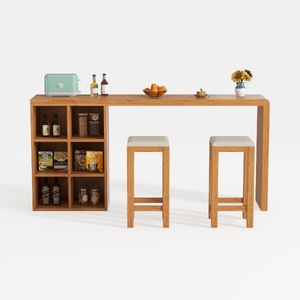
Kearsten Brown 33.8 in. Wood Bar Table

White Wood 48 in. Kitchen Island on Wheels with 2
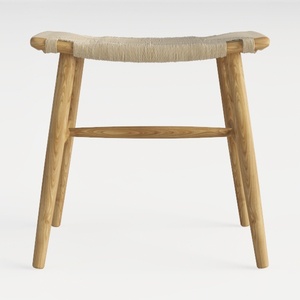
Maven Lane 31" Sophia Backless Bar Stool
Homestyler is your go-to online home design platform! Its user-friendly design tool allows you to effortlessly create stunning spaces. With impressive 3D rendering, a wealth of design projects, and engaging DIY video tutorials, transforming your home has never been easier or more inspiring!
Progetta ora GRATIS
































