

Creating a nursery within a limited space emphasizes precision rather than compromise. My approach highlights sightlines, reach zones, and adaptable furniture solutions that grow alongside the child. Research shows that optimal lighting plays a role in comfort; WELL v2 guidelines suggest keeping task illumination between 300–500 lux, which is crucial for visual ease and maintaining natural rhythms. For ambient lighting, I adhere to IES benchmarks of 100–300 lux to ensure well-layered light without the discomfort of glare. Additionally, findings from Steelcase indicate that maintaining visual order can alleviate cognitive overload, supporting a more peaceful environment for both parents and infants during daily routines.
Ergonomic considerations are equally vital. Following Herman Miller’s human factors recommendations, I ensure that repetitive tasks such as lifting and changing are optimized to remain within elbow-to-shoulder height, minimizing physical strain. I position changing tables at around 36 inches high (adjustable for caregiver ergonomics) and ensure that everyday essentials are easily obtainable, located within the primary reach zone of 20–24 inches to reduce twisting. The color palette greatly influences mood; according to Verywell Mind, soft blues and muted greens foster tranquility, while vibrant reds can boost energy—an important factor when delineating spaces for sleep versus play. For more comprehensive environmental guidelines focusing on occupant health, I frequently refer to WELL v2 as pivotal in my planning process.
Organize the Room by Purpose Rather than Furniture
Begin by delineating zones for sleeping, changing, feeding, and storage. In compact spaces, I streamline circulation to follow one edge, maximizing each area for multifunctionality. A compact crib positioned along the longest wall keeps sightlines unobstructed; a convertible dresser can serve as a changing surface; a reading nook utilizes storage beneath seating. To facilitate efficient planning before purchasing, I recommend using an interior layout planner which enables you to visualize space around the crib (ensuring at least 30 inches of clearance on the primary access side) and adequate knee room for a rocking chair (approximately 18–24 inches). Homestyler is a great tool to visualize your room layout and ensure effective flow and reach zones.
Opt for a Crib with Growth Potential
Mini cribs (ranging from 24 to 28 inches wide) conserve floor space while fulfilling safety standards; many transition into toddler beds. Prioritize features such as fixed sides, a snug mattress fit (no more than a two-finger gap between the mattress and frame), and breathable construction. As an added tip, position the crib to offset the door swing to avoid potential bumps during late-night check-ins.
Maximize Vertical Storage
Utilize wall space vigorously. I establish a vertical organization system: high closed storage for bulky items like diapers and linens, mid-height open shelves for easy access to daily necessities, and lower soft bins for toys. A narrow, tall wardrobe (16–20 inches deep) with adjustable shelves will outperform a wide dresser in a limited area. It’s essential to center the load on the wall and refrain from placing it above the crib for safety; secure shelves with brackets and protect tall furniture with anti-tip straps.
Illuminate with Layers: Ambient, Task, Night Lighting
Ambient lighting should consist of an overhead fixture featuring a high-CRI bulb (90+ CRI) with a color temperature between 2700–3000K to maintain true, warm colors. For task lighting, a lamp or sconce near the changing area should provide around 300–500 lux to ease nighttime changes without causing eye strain. For nighttime guidance, consider motion-activated lights at 1–5 lux to assist safe movement without disturbing the child. Ensuring that lights are dimmable and shielded will avoid direct glare; position luminous fixtures behind the caregiver’s shoulder during feeding to protect the baby’s eyes from harsh light.
Color Psychology for Calmness and Routine
In smaller spaces, employing a low-contrast color scheme helps boundaries fade. I pair soothing cool shades (such as pale blue, misty green, or greige) with natural textures like wood and cotton. Save bold accent colors for smaller items that can be easily updated later. Using a matte or eggshell finish minimizes glare and visual chaos in daylight. When contemplating themes, opt for timeless finishes on larger surfaces, integrating personality through art, textiles, and a standout accent wall.
Safe, Silent, and Easy-to-Clean Materials
Select washable, low-VOC paints and Greenguard Gold-certified furnishings whenever feasible. Natural fiber rugs with low piles gather less dust and are simpler to maintain. For enhanced acoustic comfort, layering a rug pad, fabric drapes, and upholstered furniture can significantly reduce noise levels and dampen harsh sounds from outside. Rounded edges and child-safe hardware also facilitate easy navigation for sleepy caregivers.
A Functional Changing Station
A changing surface height of 32–36 inches minimizes strain for most caregivers; ensure it aligns with elbow height—ideally set the top 2–4 inches below. Place wipes, creams, and diapers within an easy reach of 20 inches. Consider installing a small LED strip underneath the top shelf for seamless, shadow-free illumination. To manage odor, place a closed bin for disposables and a tucked laundry bin beneath the station.
Compact Feeding Nook
A snug glider or upright chair measuring 30–34 inches wide can fit surprisingly well. Allow for 18–24 inches of foot clearance and incorporate a side table just big enough for water, burp cloths, and a cozy reading lamp in warm tones. A lightweight throw can replace bulky pillows, saving space.
Smart Storage Strategies
Organize clothing by size into labeled bins, keeping only 1–2 weeks' worth of outfits readily available. Utilize over-door hooks for swaddles and carriers. Drawer dividers can prevent clutter from accumulating among tiny items. Installing a peg rail with sturdy hooks helps manage diaper bags and spare blankets without creating overcrowded spaces.
Visual Cohesion and Sightlines
In smaller rooms, maintaining one low horizontal line is crucial: align the heights of the crib top, dresser, and bench seat to create harmony. Instead of multiple smaller frames, opt for a single large piece of art to simplify the aesthetic. Placing mirrors across from windows amplifies natural light while avoiding placement near the crib to reduce overstimulation.
Managing Ventilation, Blackout, and Daylight
Implement layered window treatments: translucent shades for daytime and separate blackout curtains at night. Position cribs away from active air vents to stop drafts. For urban settings, a small HEPA air purifier can enhance air quality, ensuring it’s placed to avoid direct airflow onto the crib.
Future-Proofing: Adaptable Furniture Choices
Choose furniture with adjustable features, removable components, and convertible designs. For example, a 36-inch dresser with a detachable changing tray can later serve as a reading bench by adding cushion and adjusting the drawer positioning. Once the child grows, the mini crib can transform into a toddler bed, and wall shelves can be lowered to be within reach of curious little hands.
• Center the crib on the longest wall; ensure 30 inches of clear access on one side for convenience
• Position the dresser/changing station closest to the door for streamlined transitions
• Locate the feeding chair in the quietest corner with a small task light positioned behind for optimal ambiance
• Place tall storage against the shortest wall to maximize floor space for play areas
• Utilize an interior layout planner to experiment with stroller parking and hamper setups: use an interior layout planner for optimal design.
FAQ
Q1: What is the ideal brightness for a small nursery?
A: Target ambient lighting around 100–300 lux and task lighting at the changing surface should be about 300–500 lux. Ensure all lighting is dimmable for nighttime routines and favor warm color temperatures (2700–3000K) for a soothing effect.
Q2: What crib dimensions are best for compact spaces?
A: Mini cribs measuring 24–28 inches wide save space and many can convert to toddler beds. Ensure the mattress is fitted snugly and maintain at least 30 inches of accessibility on one side.
Q3: Which colors promote better sleep?
A: Gentle hues like soft blues, muted greens, and neutral shades promote calmness, while bright reds and oranges can create overstimulation. Maintain muted tones on large surfaces and reserve accent colors for smaller decor.
Q4: How can I minimize back strain when changing diapers?
A: Adjust the changing table height to align with your elbow level, ideally between 32–36 inches. Keep frequently used items within a 20–24 inch reach to prevent twisting; a footrest can also enhance comfort during repetitive actions.
Q5: What are the best strategies to control noise in a small nursery?
A: Layering soft materials—such as a rug with an underlay, fabric draperies, and an upholstered chair—can significantly dampen noise, creating a calmer environment for nighttime routines.
Q6: How can I maximize storage while keeping the space organized?
A: Go vertical with tall, narrow wardrobes, utilize wall-mounted shelves positioned away from the crib, and rotate clothing into labeled bins. Drawer inserts will help prevent clutter both visually and physically.
Q7: Are blackout curtains essential for a nursery?
A: Blackout curtains are beneficial for sleep training, particularly during early sunsets or when streetlights are bright. Combine them with translucent shades for naps to balance circadian rhythms.
Q8: Where is the best placement for the feeding chair?
A: Tuck the feeding chair into the most tranquil corner, allowing 18–24 inches of foot clearance. Position a warm, shielded task light behind your shoulder to avoid glare in the baby’s eyes.
Q9: How can I ensure safety as the baby grows?
A: Secure tall furniture to walls, manage cords properly, utilize outlet covers, position shelves safely away from the crib, and lower shelf heights as the child begins to explore independently.
Q10: What materials are easiest to maintain?
A: Opt for low-VOC washable paints, tightly woven cotton or performance fabrics, and low-pile rugs. Where possible, select removable and machine-washable coverings for ease of cleaning.
Q11: Does having a mirror in the nursery have advantages or disadvantages?
A: Mirrors can create an illusion of space and enhance light reflection; however, it's crucial to avoid placing them where the infant can see excessive movement during bedtime. Always secure mirrors and keep them away from the crib for safety.
Q12: What layout suggestions can help with room constraints like awkward doors or radiators?
A: Position the crib away from door swings and heating sources. Utilize a short wall for tall storage and float seating to keep paths clear. Creating clearances with a layout simulation tool can smoothen transitions and accessibility.
Built on technology originally developed at Autodesk, Homestyler empowers anyone to design beautiful, realistic spaces in minutes. Join over 18 million users who have already discovered a smarter way to plan, visualize, and bring their dream homes to life — all from the comfort of a browser.
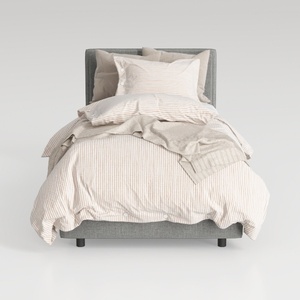
Minimalist Fabric Upholstered Twin Bed with Neutral Bedding 3D Model

Minimalist Solid Oak Wall Mounted Floating Shelf 3D Model


Modern Velvet Crown Headboard Solid Wood Platform Bed 3D Model
Homestyler is your go-to online home design platform! With its user-friendly design tool, stunning 3D renderings, and a wealth of inspiring design projects and DIY tutorials, transforming your space into a dream home has never been easier. Start designing today!
立即免费设计
































