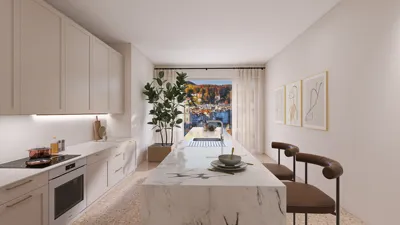


I create jazz party venues with a singular aim: to envelop attendees in sound, atmosphere, and movement. An exceptional jazz venue is much more than merely a stage and seating; it is a meticulously crafted environment where lighting is gentle, materials feel inviting, and every motion flows seamlessly. When executed effectively, the space encourages dialogue, embraces improvisation, and pays homage to jazz's legacy while accommodating contemporary event requirements.
Establishing the Right Vibe with Data-Driven Lighting
Jazz flourishes in a sophisticated, intimate lighting setting. I begin with a foundation of 200–300 lux for dining and mingling areas and reduce it to 50–100 lux for lounge edges to maintain the ambiance. The Illuminating Engineering Society (IES) provides recommended illumination levels for hospitality that align with these objectives, ensuring that faces remain visible without compromising the atmosphere (source: ies.org/standards). I strike a balance by using warm temperatures at 2700–3000K alongside a cool neutral 3500K on performance backdrops to enhance the appearance of instruments and skin tones. Furthermore, WELL v2 guidelines advocate for glare control and circadian harmony; utilizing shielded fixtures and matte finishes above reflective surfaces minimizes visual fatigue during lengthy performances (source: v2.wellcertified.com).
Sound Quality that Supports the Music
In jazz venues, clarity trumps volume. I strive for a balanced RT60 (reverberation time) of approximately 0.7–1.2 seconds based on room size—shorter for energetic bebop clarity, longer for the warmth of ballads and big band music. Incorporating sound-absorbing panels behind the audience, diffusion along the sidewalls, and bass traps in corners achieves a smooth sound response without dampening the space. Upholstered seating, wool carpets, and textured drapes help control mid-high frequency reflections. Where feasible, avoid parallel walls; slight angles or patterned paneling disrupt flutter echoes and maintain the room's vibrancy.
Creating Spatial Flow: Stage, Audience, and Social Areas
Effective jazz venues orchestrate movement as gracefully as the music itself. I delineate three purposes—listening, social interaction, and service—and connect them through clear, sightline-friendly pathways. A low-profile stage (12–18 inches) fosters intimacy; semi-circular or fan-shaped seating enhances visibility and shortens the distance to the music. At the rear, casual lounges with comfortable seating provide a space where guests can relax without breaking the lively atmosphere. For testing seating arrangements and sightlines, a room layout tool like Homestyler can aid in simulating the flow before actual construction occurs.
Comfort and Ergonomics for Extended Performances
Jazz fans typically sit for extended periods, so ergonomic considerations are crucial. Chairs with seat heights of around 17–18 inches, supportive backs, and breathable fabrics prevent discomfort. Aisles should measure 44–48 inches to facilitate unobstructed movement for servers and guests. Round bistro tables (24–30 inches) encourage conversation without obstructing views. I recommend bar heights of 42 inches paired with stool heights of 30–32 inches to promote a natural seating posture. In lounge areas, varying seat depths (18–22 inches) accommodate different body types and enhance postural variety throughout the evening's performances.
Material Choices: Warm, Tactile, and Resilient
Jazz communicates through texture. I lean toward oiled walnut, brass accents, and deep indigo or oxblood fabrics for a classic ambiance. Selecting high-performance materials (over 50,000 double rubs) ensures they withstand frequent use. Natural fiber area rugs contribute warmth while reducing noise; cork or rubber-backed wood floors help minimize impact sounds, offering sturdy support for staff. Matte surfaces on tables mitigate glare from spotlights, while patterned wall coverings create gentle diffusion and visual rhythm.
The Psychology of Color: Influencing Mood and Energy
Color significantly affects perception and engagement duration. Deep blues and muted greens foster calmness and concentration, elegantly framing the stage and encouraging focus on the music. Warm accents such as brass or gold enhance the atmosphere's richness and sophistication. In social spaces, burgundy tones and warm neutrals bolster intimacy and stimulate conversation. Using contrasting trims and edge lighting serves as subtle orientation cues, guiding movement without relying on bright signage, thereby maintaining an elegant aesthetic.
Layered Lighting: From Spotlight to Candlelight
I create a lighting design with four layers: key light for the stage, ambient for the audience, table accents, and guidance at the edges. Stage lighting employs soft beams with a high Color Rendering Index (CRI of 90+) to accurately depict the wood grain of instruments and skin tones. Ambient light from pendants and wall washers delivers a soothing illumination. On tables, low-glare candles or rechargeable lamps provide intimacy without distracting flicker. Under-bar and stair-edge lighting enhances safety while contributing a gentle rhythm to movement patterns, preserving the venue's atmospheric character.
Bar, Green Room, and Back-of-House Plan
The bar should be positioned within sight of the stage yet away from the main sound axis to prevent noise interference during performances. Utilize acoustic glass or thick drapery behind the bar in compact spaces. A cozy green room should include soft seating, mirrors, and dimmable lighting maintained between 300–500 lux for instrument preparation. Back-of-house pathways ought to circumvent seating areas to minimize disruptions; design service corridors with non-slip flooring and protective bump rails, ensuring adequate yet discreet storage for instruments and coats.
Audience Capacity and Seating Dynamics
For smaller venues accommodating 80–120 patrons, aim for an allocation of 10–14 square feet per person; for larger spaces, 14–20 square feet increases comfort and circulation. I incorporate a mix of two-top, banquette, and high-top seating to create visual rhythm and options. Staggering rows, incorporating slight offsets, and utilizing curved banquettes minimize sightline conflicts and generate a dynamic, layered appearance within the space.
Brand Identity Through Thoughtful Details
Jazz venues establish their character through tactile elements: custom brass lamp pulls, leather-wrapped railings, or etched glass with delicate motifs. Maintain signage warm and minimal; let the musical instruments, record covers, and thoughtfully curated artwork narrate their story. Showcase a few original scores or vintage posters—avoiding clutter—to enhance authenticity.
Integrating Technology Without Disrupting the Mood
Conceal audiovisual equipment and power sources within custom millwork. Install floor boxes and flush outlets near stage edges for flexible setup options. Utilize wireless LED uplighting for quick scene transitions, all managed through a simple, pre-set console. Acoustic sensors can monitor sound pressure levels (SPL) to ensure comfortable audio experiences across sets without compromising musical dynamics.
Embracing Sustainability That Enhances Guest Experience
Opt for FSC-certified wood, low-VOC finishes, and LED lighting throughout the venue. Fabrics with recycled materials and modular seating designs reduce waste over the venue's operational lifespan. Where feasible, choose durable and repairable components for furniture; jazz venues often experience high wear and tear, and sustainable repairs can maintain character over time.
A Streamlined Planning Framework
1) Outline the stage, audience, bar, and lounge areas. 2) Determine lighting objectives and glare management early on. 3) Assess acoustics considering panels, diffusion, and bass traps prior to finishing. 4) Define ergonomic benchmarks for seating and movement. 5) Firm up the material palette focusing on durability and warmth. 6) Utilize a layout simulation tool like Homestyler to visualize sightlines and density for fine-tuning. 7) Incorporate subtle branding and sustainable choices throughout the planning process.
Frequently Asked Questions
For general seating areas, maintaining 200–300 lux illuminance ensures faces are discernible while preserving the ambiance. Lounge edges may drop to 50–100 lux. Stage lighting should provide high CRI (90+) with adjustable settings tailored for varying ensembles.
A balanced reverberation time (RT60) of 0.7–1.2 seconds is suitable for most venues. Shorter times enhance crisp articulation for lively pieces, while slightly extended times favor lush ballads and warm big band performances.
Using semi-circular or fan-shaped seating arrangements minimizes visual blockages. Staggering rows and integrating curved banquettes alleviate head-on sightline issues. A layout planning tool like Homestyler can assist in testing options before final decisions.
Employ matte finishes on tables, shielded fixtures, and indirect wall lighting. Maintain color temperatures within the 2700–3000K range for audience areas while avoiding glaring bulbs in direct line of sight.
Utilize upholstered seating, wool rugs, and textured wall panels to assist in sound absorption and diffusion. Select high-performance fabrics (50,000+ double rubs) coupled with robust woods like walnut or ash with low-VOC coatings for durability.
Position the bar away from the core acoustic path, integrating rubber matting and soft-close hardware to dampen noise. Consider using acoustic glazing or heavy drapery behind the bar in tighter spaces.
Deep blues, muted greens, warm neutrals, and brass accents enrich the venue's depth and elegance. Keep vibrant colors as accents rather than overarching shades to uphold intimacy.
Utilize a seat height of 17–18 inches complemented by supportive backs, breathable materials, with aisles at 44–48 inches to improve comfort and flow. Round bistro tables facilitate conversation without hindering sightlines.
Conceal power elements in flush floor boxes, integrate AV equipment within millwork, and implement wireless LED technology connected to a straightforward console for quick scene transitions. Acoustic sensors will help manage sound pressure levels effectively while preserving dynamic qualities.
Indeed—employ a room design visualization tool such as Homestyler to evaluate seating densities, sightlines, and traffic routes. It's beneficial for identifying potential bottlenecks or viewing conflicts prior to construction.
Homestyler is your go-to online platform for home design! With its intuitive design tool, stunning 3D renderings, and abundant DIY video tutorials, you can effortlessly create and visualize your dream space. Perfect for everyone, from novices to seasoned designers!
Design jetzt kostenlos
































