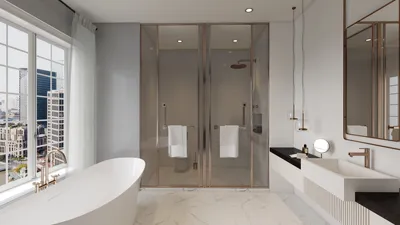


When selecting colors for a dining room, I apply the same principles as crafting a restaurant ambiance: create the right atmosphere, enhance comfort, and facilitate smooth conversations. Before the dining experience begins, color plays a crucial role in shaping expectations. Research in hospitality highlights that color influences appetite and social behaviors; for instance, warm colors like reds and oranges can boost energy and sociability, while cooler hues such as blues tend to promote calmness and a slower pace. Studies conducted by Gensler demonstrate that a balanced visual environment can significantly enhance occupant satisfaction, with glare control and complementary color schemes recognized as vital for a pleasant setting. I rely on these insights when selecting colors and finishes for dining areas, including innovative tools like Homestyler to visualize these decisions.
The quality of light is just as important as color choice. The Illuminating Engineering Society recommends aiming for a light intensity of 200–300 lux at the dining table for optimal comfort during meals. Warmer color temperatures between 2700–3000K create a relaxed ambiance. Additionally, the WELL v2 standard emphasizes the significance of glare control and high-quality color rendering, both of which impact comfort significantly. When refining color combinations, I consider the synergy between paint and lighting: using high-CRI bulbs (90+) to ensure food looks appealing, and incorporating layered lighting to prevent stark contrasts.
Inviting Warm Neutrals with Terracotta Highlights
To create a dining space that exudes warmth and welcome, begin with a soft, muted neutral such as mushroom, oatmeal, or greige on the walls. Introduce terracotta or clay accents on an accent wall, via ceramics or textiles. This terracotta touch evokes a Mediterranean vibe without overwhelming the overall palette. For the ceiling, a crisp off-white can provide a sense of height, while selecting a table in walnut, smoked oak, or rift-cut oak can add visual interest. A matte, low-sheen paint application minimizes glare during evening meals. Under the upcoming trends for 2024–2025, this color scheme harmonizes beautifully with natural stoneware, linen runners, and burnished brass lighting fixtures.
Elegance in Quiet Luxe: Deep Ink Blue and Subtle Putty
For an elegant yet weightless feel, consider wrapping the lower walls or built-in features in an ink blue (steering clear of midnight black), and balance this with soft putty or warm gray on the upper sections of the walls. This contrast introduces rhythm without losing tranquility. A warm 2700K dimmable pendant light can prevent the blue from appearing too cold. Incorporate brushed nickel or antique brass accents and use bone china or alabaster shades for diffusing light. To avoid a tunnel effect, keep the flooring lighter than the built-ins and layer in a textured rug to absorb sound.
Embracing Earthy Green in a Monochromatic Scheme
A green monochromatic approach—utilizing 2–3 tonal variations from wainscot to walls to ceiling—fosters a cocoon-like dining experience while beautifully accentuating wood-grain tabletops. Opt for shades like olive, laurel, or sage mixed with a hint of gray. Monochromatic designs help in minimizing visual clutter, thereby sharpening focus on the dining experience itself. Adding woven cane or raffia chair backs not only improves breathability but also softens the acoustics. In smaller spaces, implement the medium tone on all millwork elements while keeping the ceiling lighter to create an illusion of height.
Rich Wine Tones with Toasted Neutrals
Incorporating shades like crushed berry, oxblood, or wine in moderation can enhance a convivial atmosphere. I like to feature this on a designated wall or within a recessed shelf, while keeping adjacent walls in tones like toasted almond or sandy hues. To ensure the rich reds do not dominate, I suggest subtle accents of charcoal or black metal in specific details such as chair legs or picture frames. For tabletop aesthetics, use cream stoneware, clear glass items, and a single green stem to balance the warm reds. It’s crucial to pay attention to color rendering; poor CRI can distort reds and misrepresent food’s natural appearance.
Cheerful Sunlit Yellow with Stone and Linen Textures
In east- or north-facing dining areas with cooler light, a soft buttery yellow can infuse optimism without veering into pastel territory. Combine this with limestone or travertine textures, alongside natural linen drapes. To manage light reflections, opt for eggshell or matte finishes. A rattan pendant with a diffuser adds a handcrafted touch while controlling glare. If your table features lighter wood tones, consider grounding the room with darker woven seating or a rustic jute rug for contrast.
Classic Black, White, and Wood, Accented by Texture
This timeless combination becomes even more appealing when softened by texture. Select off-white (steering clear of stark white) for walls, introducing black accents in curved shapes, and a mid-tone wooden table. Maintain visual harmony by adopting a 60/30/10 color distribution: 60% off-white, 30% wood, and 10% black. Including boucle or wool seat cushions can dampen sound. If you're considering a banquette, a channel-tufted back in a warm camel or wheat fabric will enrich the overall composition and encourage better conversation.
Breezy Coastal Aesthetic: Misty Blue, Sandy Hues, and White
For a relaxed and casual dining vibe, a misty blue wall combined with sandy beige and bright white trim provides a fresh aesthetic without coldness. Layer this design with bleached oak pieces, sisal rugs, and matte white ceramics. During lunchtime, use 3000K LED lights for a slightly crisper tone, then dim to 2700K for evening ambiance. A glazed ceramic pendant light adds shine without distracting glare. In narrower spaces, limit blue to the longer walls and reflect it with lighter art frames, enhancing the sense of width.
Chic Charcoal Surroundings with Burnished Metal Accents
For interiors with high ceilings or ample natural light, a charcoal color theme can be quite stylish. Paint both the walls and the ceiling in this rich neutral, then place a warm wooden table alongside burnished bronze or aged brass lighting. This stark contrast between the table and surrounding colors creates a focused vignette effect. Adding a statement sconce can illuminate faces effectively, while uplighting from below balances vertical light distribution and helps avoid harsh shadows—ideal for lengthy dinners and capturing memories.
Sophisticated Soft Pink, Walnut, and Aged Brass Scheme
A muted blush with brown undertones introduces warmth without leaning towards girlish tones. When paired with walnut and aged brass, the vibe shifts to refined and quietly luxurious. Keep the pink accents minimal—restricting it to one or two surfaces—and allow walnut to dominate the furniture style. Consider colored glassware in smoky amber to prevent sweetness in the scheme. Opt for matte pinks, as gloss can appear overly cosmetic under warm lighting.
Modern Palette of Graphite, Olive, and Linen White
In contemporary homes, I advocate for a triadic color scheme: graphite for built-ins, olive for seating or banquette upholstery, and linen white for walls. The graphite serves as an anchor, olive adds a touch of warmth, and linen white enhances spaciousness. Opting for natural materials—such as wool and cotton-linen blends—ensures a tactile experience. Include a ribbed glass pendant to distribute light evenly across the table, minimizing bright reflections on cutlery.
Strategic Color Placement for Effective Layout and Sightlines
Crafting a successful color strategy begins with thoughtful planning. I employ darker hues where visual stability is desired (think built-ins or banquette backs) while opting for lighter colors on circulation walls for a flowing feel. For those exploring various seating arrangements or wall accents, leveraging a layout tool like Homestyler can effectively simulate sightlines, pendant spreads, and rug sizes before finalizing decisions. In open floor plans, I often color-block the dining area with a mid-tone wall and complement it with a slightly darker rug to anchor the dining table.
Complementing Colors with Finish and Material Pairings
Color doesn’t stand alone; I rigorously test swatch samples vertically and under different lighting conditions to ensure cohesion. High-CRI (90+) lighting fixtures preserve not only food colors but also skin tones, while dimmable lights (e.g., 3000K down to 2200K) help create intimate evening settings. A balance can be achieved with low-sheen paint on walls and satin finishes on trimmings for easy maintenance. To ensure durability, I opt for robust finishes: performance linen on chairs, wood tables with hardwax oil, and ceramics with subtle glazes. Sustainable paints with low VOCs and Greenguard-certified fabrics are preferred to maintain good indoor air quality.
Clever Color Choices for Compact Dining Spaces
In smaller dining areas, I recommend narrowing the palette down to two primary tones plus a metallic accent. Light ceilings enhance perceived height while utilizing a mid-tone can blur edges, providing a calmer atmosphere compared to stark contrasts. Ensure mirrors reflect either greenery or art, avoiding direct sights of doorways to concentrate attention inward. Rugs should extend at least 24–30 cm beyond the chair's footprint to prevent visual chaos.
Enhancing Acoustic Comfort While Boosting Social Energy
Even with the most impeccable color palette, a room can fall short if it carries too much noise. Pairing drapes, upholstered seating, and textured wall treatments with your color scheme is a great way to absorb sound effectively. Warm, medium-tone palettes typically yield a quieter atmosphere, whereas high contrast black and white can create a visually noisy feel when surfaces are glossy. I frequently incorporate a fabric-wrapped panel behind the head seating, matching the wall color, to mitigate chatter while enhancing the auditory experience.
Choosing Colors for Easy Cleaning and Maintenance
Dining areas are prone to spills and smudges, so selecting paints with good scrub ratings for lower walls is critical. Considering wipeable wainscoting in deeper colors further aids in maintenance. For seating options, specify stain-resistant finishes or performance fabrics. Mid-range wood tones are practical choices, as they tend to hide wear better than the lightest or darkest options.
Two Go-To Color Formulas I Frequently Utilize
Begin with 60% warm neutrals (walls), 30% natural wood (table, chairs), and 10% burnished metal (lighting); optionally include a terracotta vase for a subtle accent.
Utilize a single hue family for walls and ceilings, ensuring tonal diversity; contrast this with a table in a different wood species (like walnut or oak) and a linen white trim to enhance freshness.
Reliable Authority References for Color Design
If you're refining the balance of light and color, consult the WELL Building Standard for insights on comfort, glare control, and quality of color. For guidance regarding lighting levels and color rendering, reference the recommendations from the Illuminating Engineering Society. Following these suggestions ensures that your color palette remains appealing not just during the day but also throughout dinner and late dessert time.
Frequently Asked Questions
Q1: What color temperature is ideal for dining rooms?
A1: For evening meals, target a color temperature between 2700–3000K. This range flatters both skin and food, promoting a relaxed social setting. Consider using dimmers to adjust the intensity of light.
Q2: Do warm colors significantly enhance appetite?
A2: Research in color psychology indicates that warm hues like red and orange can stimulate arousal and sociability; using them sparingly as accents prevents them from overwhelming the dining area.
Q3: How can I avoid making dark dining rooms feel heavy?
A3: To balance darker walls, opt for lighter ceilings, reflective elements (like alabaster or ribbed glass), and warm wooden tables. Ensure layered lighting—in the form of a pendant light plus wall sconces—helps illuminate faces and surfaces effectively.
Q4: What neutral color appeals best for resale?
A4: Warm greige or linen white tends to appeal to a broad audience. Pair these with mid-tone wood and muted metal accents (like brass or nickel) for a timeless aesthetic.
Q5: In a small dining room, how many colors should I use?
A5: Generally, two primary colors plus one metallic accent help maintain a cohesive visual feel. Introducing texture (through materials like linen, cane, or wool) adds richness without cluttering the design.
Q6: Which type of paint sheen is most suitable for dining walls?
A6: Use matte or eggshell finishes on walls to minimize glare; opt for satin or semi-gloss for trimmings to ensure durability. Choosing low-VOC options helps maintain good indoor air quality.
Q7: How does CRI affect my color selections?
A7: A high CRI (90+) light source accurately portrays colors, especially for food and skin tones. It ensures that greens appear vibrant and reds do not lose their luster.
Q8: Can I incorporate blue into my dining room design?
A8: Absolutely! Choose warmer blue tones (such as ink or slate) and couple them with warm materials—like walnut, brass, or linen—to maintain an inviting atmosphere.
Q9: What’s the ideal illumination level over dining tables?
A9: Aim for approximately 200–300 lux on the tabletop for pleasant dining experiences. Select a diffused pendant light that is about half to two-thirds the width of the table for optimal coverage.
Q10: How do I harmonize wall colors with wooden tones?
A10: Begin by identifying the undertones in your wood (whether red, yellow, or neutral). Warm woods should be complemented with warm neutral tones; meanwhile, cool woods (like ash or certain oaks) work best with gray-toned colors. Test large paint swatches against wood elements in their actual lighting.
Q11: Are high-contrast black-and-white themes overly harsh?
A11: They can be perceived as harsh, especially if overly glossy. Balancing with textured finishes, warm metals, and soft textiles can mitigate this effect. Choosing off-white instead of stark white can also introduce softer warmth.
Q12: Are there eco-friendly color options worth considering?
A12: Opt for low-VOC paints, Greenguard-certified fabrics, and sustainably sourced woods when planning color choices. Earthy palettes tend to complement these materials well.
Q13: How can I effectively delineate an open-plan dining space using color?
A13: Designate the dining wall with a mid-tone color and echo it in the rug with a slightly deeper hue, while keeping adjacent living walls in lighter tones to maintain clear zoning without physical dividers.
Q14: What colors should I consider for artwork in dining areas?
A14: It's best to choose artwork within the color temperature of your palette. For warmer settings, consider shades such as terracotta, ochre, and sepia. For cooler settings, opt for misty blues and graphite, ideally framed with warm metals for balance.
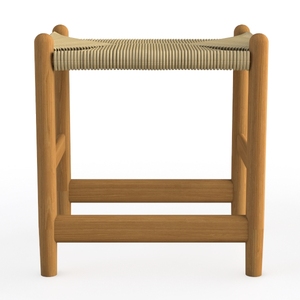

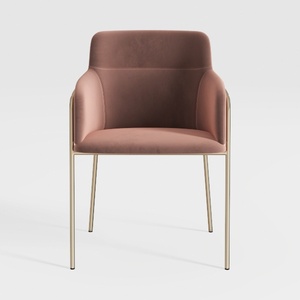
Homestyler is your go-to online platform for all things home design! With its user-friendly design tool, stunning 3D renderings, and a vast collection of inspiring design projects and DIY video tutorials, you can effortlessly transform your space into a dream home. Start your design journey today!
Zaprojektuj teraz za darmo
































