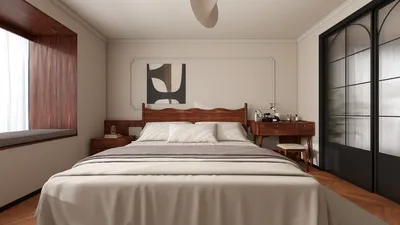


I approach designing intimate dining nooks in a manner similar to how I tackle small lobbies or compact meeting spaces: ensuring clear pathways, appropriate seat height for comfort, distraction-free lighting, and a table size that accommodates everyday activity. A two-seat dining table should cater to meals, laptop sessions, and late-night tea without crowding the area.
In small spaces, scale is more critical than aesthetic style. A standard seat height of approximately 18 inches paired with a table height of 28-30 inches helps maintain proper posture for most adults, as supported by research from Herman Miller on the optimal seat-to-table ratio. For lighting, I aim for ambient levels of 200-300 lux in these petite dining areas and 300-500 lux at the table surface to avoid eye fatigue during various tasks. These defined standards ensure a cozy and functional setup both day and night. I also verify broader wellness criteria like glare management and color quality against the guidelines provided by WELL v2 (available at v2.wellcertified.com).
Selecting the Ideal Table Shape
Opting for round tables helps lessen conflicts in corner spaces and facilitates smoother movement in compact rooms. In narrow studio apartments, a 24-30 inch round table fits seamlessly, where a square might obstruct movement. If wall alignment is necessary, a small rectangular or oval table (around 24-28 inches deep) provides optimal wall seating options. I ensure at least 24 inches of unobstructed pathway on the busiest side to avoid collisions and spills. When using wall-mounted banquettes, an oval design aids in easy access and movement.
Base Stability and Leg Geometry
Using pedestal bases allows for more knee space and reduces the likelihood of chair collisions. In tight corners, a tulip or weighted pedestal minimizes visual clutter while simplifying cleaning. For square or rectangular tops, splayed legs should remain clear of the usual foot traffic; ideally, they should be set back 3-4 inches from the edge to prevent accidents. If laptop usage is anticipated, a table base with a central column enhances cable management and legroom.
Effective Layouts for Micro Dining Areas
In shared spaces, position the table slightly off the primary pathway and choose slim chairs that allow for quick maneuvering. I often place a small round table 10-14 inches away from the wall to ensure comfortable elbow room while maintaining flow. If you need to visualize clearances before making a purchase, consider using a layout simulation tool available in the Homestyler application to explore chair movements, knee space, and accessibility to windows or doors.
Lighting: Sufficiently Bright, Yet Gentle
Small dining spaces frequently risk becoming over-illuminated by a single glaring pendant light. I advocate for layering light sources: a soft pendant or semi-flush fixture using a 2700K-3000K bulb for warmth, combined with a dimmable task light approaching 300-500 lux at the table for menu reading or work. Controlling glare is crucial; use diffusers or opal glass while avoiding exposed filaments that could intrude on the line of sight. Additionally, wall sconces positioned at a height of 60-66 inches can provide ambient enhancement without taking up table space.
Color Psychology in Small Spaces
Warm neutral tones like sand, clay, and caramel create a sense of coziness, while soft light grays visually expand the space. A touch of rich color—such as terracotta napkins or an emerald vase—can effectively demarcate the dining area without making it feel smaller. In terms of emotional effects, calming greens and blues are linked to decreased stress and enhanced concentration according to color psychology studies. For more insights, refer to resources like Verywell Mind’s summaries at verywellmind.com/color-psychology.
Chairs: Emphasizing Comfort without Bulk
I prioritize chairs that have a slim profile (16-18 inch width) and open backs to keep lines of sight unobstructed. When storage is constrained, choosing stackable or folding options with curved seat fronts can help mitigate discomfort. While upholstered seats add comfort, in tight kitchens, I often prefer easy-to-clean surfaces along with removable cushions.
Materials and Upkeep
Dining tables are subjected to heat, moisture, and wear. Solid wood offers durability and can be refinished, while high-pressure laminate provides excellent resistance to scratches, which is advantageous in rental situations. Stone composites are sturdy but can be hefty—consider the floor's load-bearing capacity and ease of movement. For sustainability, opt for long-lasting finishes rather than frequent replacements, and select edge banding that minimizes chipping on thin profiles.
Sound Absorption in Small Rooms
Hard surfaces amplify noise. Adding a small, low-pile rug beneath chairs, upholstered seats, and a fabric pendant lampshade can help reduce echoes. In compact studios, soft window treatments also aid in absorbing noise during meals and evening calls.
Spatial Ratios and Visual Harmony
A two-seat table should occupy no more than one-third of the room’s narrow dimension to avert a cramped feel. For a 7-foot-wide nook, maintaining a table size of around 24-30 inches wide ensures sufficient peripheral space while creating a balanced appearance. Position the table to align with windows or artworks to create a visually appealing focal point; this technique fosters a sense of order and tranquility.
Adaptable Configurations for Daily Living
Drop-leaf tables are indispensable in micro apartments—fold them down to 12-16 inches for more space, then extend to 28-34 inches for dining. Wall-mounted café tables with folding brackets free up floor area. If you occasionally host gatherings, nesting two bistro tables can work; use them separately as side tables during the week and unite them for a square dining surface on weekends.
Styling: Minimal Touch, Maximum Effect
Keep centerpieces low and easy to move. A single bud vase, a petite bowl, or a candle tray maintains visual connection and ease of adjustment. Utilize placemats instead of a full tablecloth to highlight the edges and maintain a light visual weight on the surface. Mirrors can effectively double the perception of space, but position them to reflect gentle light rather than harsh glare from bulbs.
Micro-Workflow: Dining, Working, Living
In compact homes, two-seat tables often serve dual purposes as workstations. Integrate a compact power strip under the table and use a cable clip on the pedestal to manage cords efficiently. Select seats with ergonomic support and firm cushioning suitable for 60-90 minutes of dedicated work. A portable task lamp can enhance brightness when reading or typing, then dim it for a relaxing dinner ambiance.
Quick Sizing Guide
- Table diameter: 24-30 inches for two seats in confined spaces
- Clearance: Minimum of 24 inches behind chairs to allow passage
- Chair width: 16-18 inches to prevent bumping
- Table height: 28-30 inches; seat height around 18 inches
- Lighting: 200-300 lux ambient, 300-500 lux task at table
Placement Strategies
- Position round tables slightly off-center to improve circulation
- Align a small pendant light with the table’s center; utilize a dimmer to transition from task light to ambient glow
- Ensure table edges are 3-4 inches clear of legs to avoid knee contact
- Test configurations using an interior layout planner, such as the Homestyler room design visualization tool
FAQ
Q1: What’s the best table size for two in a studio?
A1: A 24-30 inch round table typically accommodates two place settings along with a small carafe and shared dish, allowing ease of movement around the chairs.
Q2: How much illumination is ideal over a compact dining table?
A2: Aim for around 300-500 lux on the table for tasks such as reading menus or working, alongside ambient lighting of 200-300 lux. Using diffusers helps mitigate glare, referencing illuminance guidelines from IES.
Q3: Is a round or square table better in tight corners?
A3: Round tables minimize corner conflicts and facilitate movement. In extremely narrow spaces, a slim rectangular table can fit snugly against a wall, conserving precious inches.
Q4: What type of chairs are best for small dining areas?
A4: Opt for narrow chairs (16-18 inches wide) with open backs. Stackable or folding designs work brilliantly in micro living spaces and can be stored away when not in use.
Q5: Are pedestal bases adequate for stability?
A5: A weighted pedestal base delivers excellent stability and ample knee clearance. For uneven surfaces, adjustable glides can help prevent wobbling.
Q6: What materials are best suited for small kitchen tables?
A6: Solid wood offers warmth and repairability; high-pressure laminate is great for resistance to wear and tear; lightweight stone composites deliver durability if the weight is practical.
Q7: How can I mitigate noise in a compact dining nook?
A7: Introduce a low-pile rug, opt for upholstered chairs, and choose fabric lampshades. Soft window treatments also assist in dampening sound during conversations.
Q8: Is there a layout tool available for testing clearances before purchase?
A8: Absolutely! You can use layout simulation tools like Homestyler’s interior planner to visualize chair movement, walkways, and storage accessibility.
Q9: What color scheme can help enlarge the appearance of a small dining area?
A9: Light neutral shades expand the visual space, complemented by small saturated color accents for focus. Soothing greens and blues can also aid in relaxation, according to color psychology research.
Q10: Can a compact table comfortably serve as a desk?
A10: Yes—just ensure the seat height is around 18 inches, table height between 28-30 inches, include a portable task light, and manage cables skillfully using a pedestal or underside clip for tidy ergonomics.
Q11: What’s the recommended clearance behind chairs?
A11: Aim for a minimum of 24 inches to facilitate comfortable movement, with more space allocated if it serves as a main passageway.


Solid Wood Dining Chair Rattan Home Retro Chair

Jeffrey Brown Wood Dining Table

Monarch Specialties 7657 Computer Desk, Home Offic
Homestyler is an ideal platform for anyone looking to transform their space effortlessly. With its user-friendly online design tool, stunning 3D renderings, and informative DIY video tutorials, you'll have everything you need to bring your home design dreams to life. Explore creativity today!
Zaprojektuj teraz za darmo
































