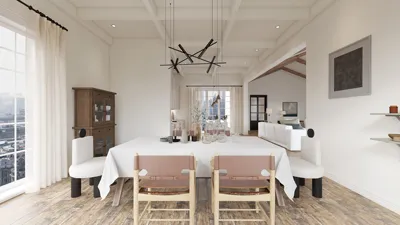


When designing hotel rooms, my focus is clear: to provide couples with an immediate sense of comfort as soon as they step inside. This comfort is achieved through the use of gentle, layered lighting, inviting materials, thoughtful layouts, and carefully curated details—like a tea set by the window, a cozy loveseat that fosters conversation, and bedding that ensures restorative sleep.
The quality of sleep is essential. The WELL v2 Sleep Support framework emphasizes the importance of controlled lighting and blackout features for optimal rest, while adjusting light to align with natural circadian rhythms minimizes sleep disruptions. Research by Steelcase indicates that environments with flexible lighting significantly enhance user satisfaction. These two elements—the science behind sleep and our reactions to lighting—guide every choice I make for rooms aimed at couples.
Colors play a crucial role in evoking emotions. According to Verywell Mind’s research on color psychology, warm neutrals such as taupe, sand, and blush evoke feelings of comfort and safety, while soothing shades of blue and green foster tranquility. I prefer a muted color palette, allowing texture to convey warmth: slub linen curtains, bouclé accent chairs, and a finish that softens light reflections, promoting an intimate and calming atmosphere.
Creating Layered Lighting to Set the Mood
Couples often share various activities—arriving, conversing, unwinding, or enjoying a late-night movie. A thoughtful lighting plan accommodates these rhythms: incorporating indirect cove lighting around the headboard, adjustable bedside sconces emitting 2700–3000K warm light, and a floor lamp providing gentle illumination in the seating area. Following the IES guidelines, bedside lighting should aim for about 200–300 lux at the reading level without excessive contrast. An unobtrusive nightlight near the baseboard enhances safety, and a master dimming feature can lower lighting to 10–20% before bedtime. To adhere to wellness standards, reference IES guidelines for glare control and vertical illumination.
Designing an Intuitive Layout for Connection
Couples need space for movement along with opportunities to connect. I position the bed slightly off-center to enhance views of the window and create a cozy conversation space. The seating area, featuring either a loveseat or two lounge chairs with a round table, should be conveniently close to hospitality amenities rather than across the room. Maintaining a circulation width of at least 900–1000 mm ensures comfortable passage for couples. For optimal flow, consider using a room layout tool like Homestyler to visualize arrangements and check furniture spacing.
The Essentials of Bed, Linen, and Sleeping Practices
Comfort begins with the mattress—a medium-firm style with a plush top generally satisfies various preferences—and breathable bedding. I typically use 300–400 thread-count cotton percale or TENCEL™ blends for a cooling effect, along with a light quilt and a medium-weight duvet for versatility, complemented by four pillows of varying densities. Upholstering the headboard enhances sound absorption while offering a niche for guests to place their books, eyeglasses, and a water carafe.
Understanding Color Psychology and Material Choices
The room's foundation consists of warm neutrals, accentuated by deeper tones—such as an espresso accent wall and moss velvet cushions—enhancing the aesthetic. Following Verywell Mind’s advice on warm hues promoting comfort informs my color choices. Ideal materials include low-VOC paints, FSC-certified wood furnishings, and soft wool-blend rugs that foster comfort and reduce sound. For contrast without harshness, select stone or composite materials at the minibar, ensuring finishes are honed to avoid glare and smudges.
Ensuring Acoustic Comfort and Privacy
A romantic atmosphere can be disrupted by hallway noise. To minimize this, I utilize sound-absorbing materials in the entryway: upholstered panels, heavy curtains, and a carpet underlay measuring 12–14 mm. Installing door sweeps and seals can decrease noise transfer, while quiet in-bath fans (≤35 dB) and HVAC systems that operate below conversation levels enhance peace. Upholstered headboards and soft window treatments help dampen high frequencies, preventing fatigue among guests.
Amenities That Enhance Romance
Small touches can significantly enrich the guest experience. Consider offering a tea or espresso tray featuring local ceramics. A flameless, scent-infused diffuser with notes of sandalwood or fig can set a calming atmosphere. Additionally, providing a curated playlist through a discreet speaker with user-friendly controls can enhance the ambiance. Include a foldable mirror by the window for natural light grooming and a cushioned bench that fosters shared moments before dining.
Transforming the Bathroom Into a Sanctuary
In the bathroom, soft, indirect lighting around mirrors is preferable to harsh overhead fixtures. Ensure water pressure is adequate yet quiet; a handheld showerhead paired with a rain shower option caters to couples' preferences. Where space permits, choose a compact soaking tub that features a sloped backrest for added comfort, along with plush towels rated at 600–700 gsm for softness that dries efficiently. Using privacy glass with gradient frosting allows natural light while maintaining discretion.
Seamless Technology Integration
A romantic environment flourishes when technology is non-intrusive. Employ a master switch at each bedside, offer scene presets (Relax, Read, Night), and ensure outlets are accessible on both sides of the bed. An easily resettable media system with HDMI and Bluetooth options that's designed with low-brightness indicators enhances the experience. While motorized blinds are appealing, many find manually operated shades to be more reliable and user-friendly.
Art, Aroma, and Storytelling
Couples connect to their environment through thoughtful design. Commission local photographs or line drawings that tell a gentle story—like coastal views or botanical studies—avoiding overly vibrant artwork that might overshadow the ambiance. Keep scent subtle and layered, with a light signature scent in the hallway and a room diffuser that's set low. A small handwritten note about the origins of the ceramics or textiles can help create a deeper connection.
Considering Ergonomics and Human Factors
The height of surfaces is crucial. Bedside tables should be around 600–650 mm to correspond with standard mattress heights, while lounge seat depth should be approximately 500–550 mm for comfort. Opt for handles that are easy to grip and lever-style. Avoid sharp corners on furniture; rounded edges help prevent injuries in tighter spaces. Incorporating a compact desk (around 1000 mm wide) can serve dual purposes, acting as both a workspace and a vanity with a freestanding mirror.
Commitment to Sustainability
Selecting durable, repairable finishes is vital, including modular rugs, slipcovers, and replaceable lampshades. Utilizing low-VOC materials along with sustainably sourced wood promotes better air quality. Elements like linen drapes, wool throws, and solid-wood furniture not only enhance the aesthetic but also age beautifully, providing a sense of authenticity over fleeting trends.
Creating Spatial Rhythm and Visual Harmony
I use a three-part rhythm when designing spaces: focus on the bed wall, gather at the seating area, and pause at the window bench or entry console. Each section receives distinct accent features and lighting, yet the cohesive color palette ensures a harmonious feel. Balance vertical elements—like curtains and tall lamps—with low-profile furniture such as ottomans to maintain a calming ambiance rather than a chaotic one.
Guide for Couples Suite Layout
Where possible, create a separation between the sleeping area and the lounge nook using a screen or open shelving. Maintain at least 1200 mm between the edge of the bed and any doorway to minimize conflict. Anchor the lounge area with a round table, as circular shapes soften the space and encourage face-to-face interactions. Utilize an interior layout planner like Homestyler to effectively test spatial relationships and enhance flow.
Lighting Configurations: An Essential Guide
Arrival lighting should feature 70% ambient, 40% accent at 3000K. When reading, aim for 80% task lighting at the bedside, reducing ambient light to 40%. For winding down, use 20% ambient light with warm 2700K and a subtle cove glow. During nighttime, reduce to a mere 10% of low-level path lighting with blackout shades fully drawn. To preserve comfort and aesthetics, keep glare below the line of sight while ensuring vertical illumination at mirrors enhances skin tones.
Final Touches for a Memorable Stay
A soft throw draped over the foot of the bed, a tray filled with local chocolates, and a small vase showcasing seasonal greenery can provide that last touch of warmth. Offering guests a paper map encourages exploration, while dimming the room upon entry creates a sense of soft anticipation rather than overwhelming spectacle.
Frequently Asked Questions
Utilizing warm neutrals complemented by muted blues and greens fosters a calm atmosphere consistent with findings on color psychology from Verywell Mind.
Aim for around 200–300 lux at the reading level utilizing 2700–3000K warm light; adhere to IES standards to reduce glare.
Low-VOC paints, wood sourced from sustainable forests, acoustic softening wool-blend rugs, and breathable TENCEL™ or cotton percale bedding are ideal choices.
Establish three distinct zones—sleep, gather, and pause—while ensuring a circulation space of 900–1000 mm. Consider seating arrangements that encourage proximity to amenities, using a loveseat or dual lounge chairs.
Employ door sweeps, perimeter seals, upholstered wall panels, heavy curtains, thick carpet underlays (12–14 mm), and near-silent HVAC systems to minimize noise disturbances.
Indeed. The WELL v2 highlights the significance of controlled lighting and blackout options for sleep enhancement; adaptive warm lighting reduces night-time alertness and promotes rest.
Utilize straightforward control options (Relax, Read, Night), place balanced outlets on each side of the bed, and maintain low-brightness indicators to enhance user experience.
Utilize soft, perimeter lighting around mirrors, provide dual shower options (handheld and rain), offer plush towels of 600–700 gsm, and deploy privacy glass that still allows daylight.
Select calming local art—such as botanical illustrations or soft landscapes—and steer clear of overly vivid colors or loud patterns that could disrupt tranquility.
Ensure your desk remains compact, with a dual function as a vanity; prioritize an ergonomic chair with supportive depth around 500–550 mm for comfort.
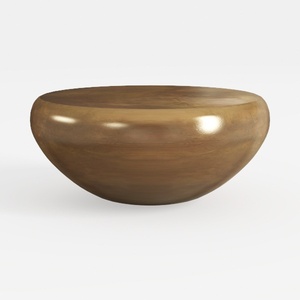
Minimalist Solid Wood Round Coffee Table 3D Model
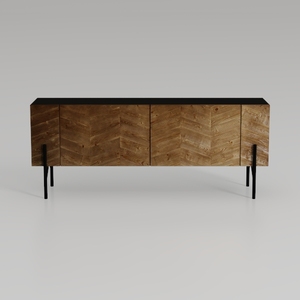
Modern Chevron Solid Wood Metal Sideboard 3D Model

Minimalist Travertine Top Solid Wood Round Coffee Table 3D Model
Discover the ease of home design with Homestyler! This top-tier online platform offers a user-friendly design tool, stunning 3D renderings, and an extensive collection of inspiring design projects and DIY video tutorials. Transform your space effortlessly and unleash your creativity today!
Design jetzt kostenlos
































