

For many years, I've created enchanting Christmas village displays for both clients and my family, and I've found that the essence of these scenes comes down to three key elements: scale, illumination, and storytelling. A harmonious vignette, characterized by uniform building sizes, controlled lighting, and carefully designed pathways, can make a scene incredibly convincing. Studies in environmental psychology reveal that our surroundings significantly affect our moods; for instance, warm colors can evoke a sense of comfort during the colder winter months. In terms of lighting, the Illuminating Engineering Society (IES) recommends maintaining ambient levels between 150 and 300 lux, which helps maintain detail in your village while minimizing harsh glare—standards that align perfectly with tools like Homestyler.
Even when working with miniatures, considering human factors is essential. A natural path width-to-house ratio stands at approximately 1:3, and a staggered arrangement of significant buildings at angles between 15° and 30° can enhance sightlines and create visual interest. The WELL Building Standard emphasizes that balanced lighting can decrease visual fatigue; for example, using warm-white LEDs (2700–3000K) with low glare invites viewers to engage with the scene for extended periods. These thoughtful choices subtly guide us towards feelings of relaxation and joy.
Craft Your Village Narrative
Begin with a compelling story for your village—perhaps a bustling market in the snow, a quaint alpine train town, or a serene woodland chapel. Establish a layout where civic buildings are centrally positioned, residential homes line the periphery, and feature elements such as a clock tower or frozen pond serve as captivating focal points. If you’re unsure about the arrangement, utilizing a basic room layout tool can aid in visualizing dimensions and the flow of your village before any finalizing steps.
Select the Appropriate Scale and Ratios
Maintaining consistency is crucial when designing your village. While combining various styles is acceptable, try to keep the scale uniform—pieces in 1:48 (O scale) and 1:64 (S scale) won't merge effortlessly. Determine a foundational layout with a main street ranging from 18 to 24 inches wide for a mantle display and back dimensions that descend by tiers of 6 to 8 inches. Ensure a gradient in rooflines, with the tallest structures positioned at the rear, and gradually descending by 20 to 30% for each level to avoid obstructing the view.
Materials: Eco-Friendly Options for Sturdy Structures
I prefer using rigid foam for constructing walls, basswood for trim details, and upcycled cardboard for roofing. Foam can be easily shaped using a hot knife; edges should be sealed with lightweight spackle and smoothed out. For roofing, corrugated cardboard efficiently mimics shingles; a coat of paint followed by a dry-brush of lighter shades creates a textured finish. Choose eco-friendly paints and low-VOC adhesives, and consider utilizing reclaimed wood for base edges. Additionally, placing felt or cork material underneath will absorb noise if train sets run through your setup, contributing to an overall acoustic comfort.
Color Scheme and Finishing Touches: Warm Whites, Heritage Reds, and Winter Greens
Rich holiday color palettes often gain depth from subtlety. For façades, pair a warm white (a soft off-white) with rich heritage reds for doors and muted green shades for shutters. To maintain sophistication, desaturate colors to avoid overly vibrant accents. Research indicates that warm hues can boost the perception of coziness during the winter months. Additionally, matte finishes minimize glare, while a satin clear coat on trim elements offers delicate emphasis without creating shine.
Illuminating the Village: Creating a Layered Atmosphere
Implement three layers of lighting: the warm glow from interior windows (achieved with micro LEDs), street lamps (using warm fairy lights with diffusers), and ambient washes (hidden LED strips reflecting off a white backdrop). Aim to keep the color temperature within 2700 to 3000K for a cozy ambiance. Target a lux level of 150 to 300 across the village for optimal comfort, and orient lights at angles of 30 to 45° to prevent intense hotspots. Diffusing materials such as parchment, frosted acrylic, or tissue soften lighting spots, and if incorporating motion features like spinning sleighs or train headlights, ensure the movements are subtle to avoid overwhelming the observer.
Creating Terrain, Snow, and Micro-Landscapes
The foundational layers of your display are paramount for achieving realism. Begin with sculpted foam to represent terrain, then add fine paper or flocking to simulate snow. Elevate key buildings by 1 to 2 inches to create a hierarchy, and carve out shallow channels for a frozen river using clear resin or acrylic sheet. Introduce two textures of snow—fine powder for roofs and slightly compacted material for pathways—suggesting frequent usage. Disperse conifer trees in groups of odd numbers, varying their heights to prevent a uniform appearance.
Designing Paths, Bridges, and Considering Human Factors
Ensure the scale of pedestrian paths corresponds to the houses; for instance, if doorways measure 1 inch wide, paths should be around 0.75 to 1 inch wide. Natural curves in pathways appear more organic than straight lines; intersections can serve as inviting gathering spaces equipped for market stalls or small choirs. Bridges should be slightly wider for a sense of safety, with handrails proportioning to 0.25 to 0.3 of the bridge height for realism. Position benches, lanterns, and signposts thoughtfully at points where sightlines converge.
Building Facades and Adding Fine Details
Carefully cut out window openings and back with vellum for a soft, diffused light. Incorporate basswood offcuts to create lintels, keystones, and sills. Door hardware can be acquired from jewelry supplies or tiny brads, finished with metallic wax for an aged look. For chimney designs, use textured paint to simulate brick. To achieve a charming period feel, consider incorporating subtle asymmetries like offset dormers or varied window layouts, including a bay window overlooking the main square.
Ensuring Safe Wiring and Concealed Channels
Create channels beneath your display base to hide wiring. Route low-voltage micro LED leads through drilled openings; keep circuits labeled and utilize a solitary USB hub or a 5V driver. Conceal splices within junction pockets and safeguard with heat-shrink tubing. To avert overheating, implement ventilation gaps, and ensure strain relief with cable clips. It's important to test all lighting setups prior to any permanent installation.
Display Bases: Mantles, Tables, and Window Sills
Accurately measure depth and anticipated tier heights. Mantles work wonderfully with stair-step platforms against a neutral background. A console table can feature a central boulevard flanked by elevated neighborhoods. For window spaces, opt for a compact layout with reflective backgrounds to amplify the glow. If a more intricate tier arrangement is required, a layout simulation tool can help optimize dimensions and viewing angles.
Sound Comfort and Motion Integration
Incorporating moving elements like motors and model trains adds delightful charm, yet can also introduce sound. Enclose motors within foam-lined compartments; utilize rubber grommets at mounting points to minimize vibrations. Limit the number of dynamic features to one or two focal points to suggest liveliness without overwhelming the scene with motion.
Engaging the Senses: Scent, Texture, and Layers
Blend in natural textures—like felted scarves on figures or twine garlands encircling pinecone clusters. A discreet evergreen-scented candle placed outside the display can impart a seasonal aroma without risk to your materials. Lightly brush rooftops and ledges with mica powder to mimic the sparkle of snowflakes catching the ambient light.
Planning for Storage and Longevity
Design your village with off-season storage in mind. Create modular house sections, ensure roofs are removable, and utilize labeled bins for damage prevention. Wrap fragile lamp posts and treeswith care, keeping a small repair kit containing touch-up paints, glue, and spare LEDs handy for setup day.
Avoiding Common Pitfalls
Common mistakes include mixing incompatible scales, excessive lighting (especially with harsh, cool LEDs), and having uniform terrain levels. Avoid flat roofs as they obstruct sightlines, and maintain organized wiring to prevent disruption of immersion. Remember to resist crowding; incorporating negative spaces allows your scene to breathe.
FAQ
Stick to one scale in your village. O scale (1:48) and S scale (1:64) are popular choices; mixing them leads to inconsistencies in door and window appearances. Ensure figurines and accessories align with the selected scale for visual unity.
Opt for warm white LEDs between 2700 and 3000K to establish a welcoming atmosphere. This temperature range enhances viewer comfort and aligns with WELL’s principles of soft, low-glare lighting.
Strive for a lux level ranging from 150 to 300 throughout your village, ensuring sufficient detail clarity while avoiding glare and eye discomfort, in adherence with IES recommendations for ambient illumination.
Incorporate various textures: a fine flocking for roofing, slightly denser materials for paths, and a gentle sparkle layer using mica powder. Adjust thickness in various areas to suggest windblown effects and foot traffic.
Utilize low-voltage (5V) systems, apply heat-shrink on connections, and use cable clips for strain relief. Conduct circuit tests before installation and ensure proper ventilation to eliminate potential overheating.
Establish tiered risers with taller structures placed in the background and a central avenue. If necessary, utilize layout simulation software to help finalize dimensions and visibility angles.
Employ rigid foam for wall construction, basswood for trim accents, and recycled cardboard for roofing options. Seal edges with lightweight spackle and finish with matte paint to minimize glare and enhance realism.
Mount motors on rubber grommets, encase them in foam, and keep the number of moving parts limited to avoid visual chaos, allowing the focus to remain on one or two dynamic elements.
Utilize warm whites, heritage reds, and subdued greens; desaturate these colors for a refined look. Aim for matte finishes on larger areas, while using satin accents on trims for a polished appearance.
Absolutely—select tracks that trace along the outer edges or mid-level terraces, maintaining slow speeds to treat the train as a singular focal point, thus avoiding visual clutter.
Plan your design for modularity. Utilize labeled bins for parts, individually wrap delicate components, and keep a kit stocked with repairs like glue, spare LEDs, and touch-up paints ready for use.
Use clear resin for creating ponds and consider frosted acrylic sheets for icy surfaces. Add soft blue-gray washes beneath to enhance depth and authenticity.
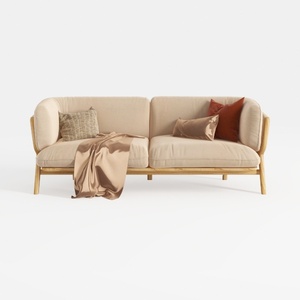

Tennozu Linen Fabric Loveseat Sofa, Convertible Fu
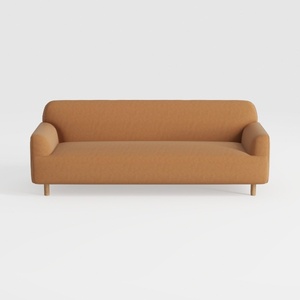
HIFIT Sofa Couches, 79” Mid-Century Modern Couch,
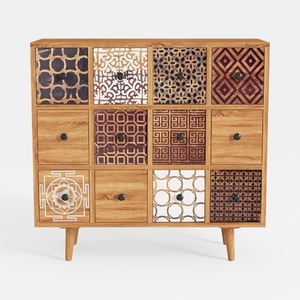
Best Choice Products 9-Cube Storage Organizer
Homestyler is your go-to online home design platform, perfect for bringing your vision to life. With a user-friendly design tool, stunning 3D renderings, and a wealth of DIY video tutorials, you can easily create and customize your space, regardless of your experience level!
Design Now for FREE
































