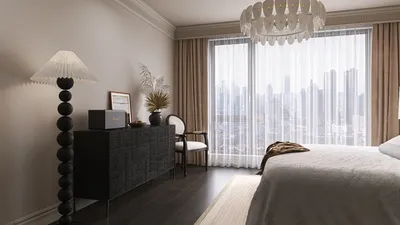


Having designed and constructed numerous cat walls for various clients as well as for my own home, I've found that the most effective ones accomplish three key objectives: they honor feline instincts, they ensure the safety of both your cats and your walls, and they seamlessly integrate into a sophisticated interior design. Cats are inherently curious creatures that explore vertically. By providing them with multi-layered paths, comfortable perches, and scratching surfaces, you not only help alleviate their stress but also protect your furniture. When executed properly, a cat wall serves as both a behavioral solution and a prominent design feature.
Research supports the idea that well-structured vertical spaces can significantly reduce tension in households with multiple cats. For instance, Steelcase’s workplace studies have highlighted how layered environments can effectively diminish territorial disputes; this principle is equally applicable to our furry companions, where distinct zones and several routes can help eliminate congestion. The WELL v2 standards related to Light and Movement reinforce this as well; promoting movement enhances overall well-being, while optimal lighting conditions minimize eye strain for both humans and pets. I personally follow the guidelines from the Illuminating Engineering Society (IES), aiming for ambient lighting levels in living spaces to hover around 200 to 300 lux, while providing task lighting at 500 lux to ensure visibility during installation (ies.org/standards).
The choice of colors and their effects on behavior cannot be overlooked. Research by Verywell Mind indicates that cool colors like blue and green foster tranquility, whereas vibrant reds can elevate energy levels — ideal for play areas but better avoided in sleep zones (verywellmind.com/color-psychology). For a multi-level cat run, plan the circulation to mimic a miniature staircase, incorporating treads (shelves), landings (perches), and safe passing zones, ensuring two cats can navigate without confrontations.
Designing the Vertical Journey
My design process begins with a simple adjacency plan: food and water should remain low and peaceful, while playful exploration areas ascend from waist level upwards, and serene sleeping platforms are positioned high but not to the ceiling. The rise between shelves should be gentle, ideally around 10 to 12 inches for kittens and seniors, and 12 to 16 inches for energetic adult cats. Additionally, offering branching routes on either side can help alleviate dominance-related behaviors. To visualize your options prior to making any permanent installations, using a layout simulation tool can be advantageous, such as the Homestyler interior design tool.
Considerations for Safe Heights, Spacing, and Clearances
It's crucial to think about ergonomics and cat biomechanics. Ideal shelf depths range from 8 to 10 inches, while lateral clearances should be a minimum of 12 to 14 inches; allow for 16 to 18 inches of headroom above each shelf to prevent any injuries. Aim for peak heights of about 6.5 to 7.5 feet; beyond this, it's wise to incorporate a ramp or descending path to prevent hard landings. Avoid creating single-exit dead ends, as these can create pressure points where one cat may block another's escape.
Choosing the Right Materials
Opt for a well-structured material palette: use sturdy hardwood or plywood cores (3/4 inch) for strength, topped with low-gloss surfaces that provide good grip. Felted wool or tightly woven polyester materials weighing 30 to 40 oz are great for ensuring traction while preventing claws from getting stuck. Don't forget to add natural sisal rope wraps on support posts; this material boasts the ideal texture for scratching and is replaceable. When considering sustainability, select plywood certified by the Forest Stewardship Council (FSC) and water-based finishes. For acoustic purposes, integrating a thin cork layer beneath shelves can help muffle loud landings, especially during nighttime.
Shelf Arrangement and Aesthetic Rhythm
Visually stagger shelves in a 2:1 rhythm, which means two shorter shelves followed by one longer to create a balanced look. Maintain consistent alignments with a 6 to 8 inch reveal from wall edges or door frames to avoid cluttered aesthetics. To ensure smooth transitions at corners, triangular or quarter-round shelves can effectively maintain visual flow. Personally, I like to incorporate an 'express route' with wider spans for more adventurous jumpers, alongside a 'local route' with tighter spacing suitable for kittens and older cats.
Ensuring Structural Integrity and Secure Anchoring
The choice of stud placement is crucial for strength. Use 2.5 to 3 inch wood screws driven into studs; reserve toggle anchors as a last resort, and only for lighter accessories. Each shelf should support static loads of at least 25 to 30 lbs, accommodating a single cat and additional dynamic forces. For masonry walls, opt for sleeve anchors rated for at least 50 lbs per point. Be sure to pre-drill holes, use washers on bracket connections, and test each shelf with a weighted load before allowing your cats to explore. As an added safety precaution, mark the edges of shelves with a gentle anti-slip design, which can prevent accidents without catching your pets' paws.
Lighting Considerations for Comfort and Safety
While cats have excellent night vision, humans often require better lighting. Aim for soft ambient lighting in the range of 2700 to 3000K warm white for living spaces. Steer clear of harsh direct lighting above perches; instead, use indirect lighting to help with depth perception. During both installation and maintenance, I suggest targeting an illuminance level of around 500 lux for work zones, referring to IES standards to ensure safety (ies.org/standards). If opting for integrated LED strips beneath shelves, select high Color Rendering Index (CRI) LEDs (90+) to represent your cats' fur colors accurately, maintaining a setback of 1 to 2 inches to prevent them from staring directly into light sources.
Utilizing Color Psychology for Different Zones
Incorporate calming color schemes for rest areas, such as dusty blues, soft greens, or taupe shades. Reserve vibrant accents like tomato red or sunflower yellow for play zones or scratching posts. This strategy is supported by research indicating that cooler tones tend to calm while warmer hues can stimulate, effectively enhancing behavioral tuning within specified zones (verywellmind.com/color-psychology). Keep finishes matte to minimize reflections that may irritate sensitive eyes.
Considering Texture, Traction, and Comfort for Paws
It's all about striking a balance between grip and ease of cleaning. Short-pile, tight-weave fabrics are easy to vacuum while trapping fur less than micro-loop textiles do. On ramps, consider adding a slight 1 to 2 degree incline or incorporating traction bars. Metal grates should be avoided as they can cause claws to catch. For a seamless wooden appearance, consider routing subtle cross-hatching into the surfaces to enhance traction.
Addressing Acoustic Concerns
Sound can be a significant factor in small living spaces. To minimize sound transfer, utilize dense core materials paired with decoupled brackets equipped with neoprene gaskets. Adding felt-backed wall panels behind high-traffic shelves can also help mute echo sounds. Creating a quieter living environment is not only beneficial for humans but also helps anxious cats feel more secure.
Route Planning, Entrances, and Retreat Options
Ensure there are at least two entry points into the cat wall—one lower ramp near a console and another mid-level hop near a window. High perches should be designed with visual control in mind, taking care that they are not directly aligned with noisy zones like televisions or speakers. Incorporate an enclosed cubby with a 7 to 8 inch diameter entrance to avoid direct line-of-sight encounters that could lead to confrontations.
Prioritizing Maintenance and Hygiene
Design with cleaning in mind. Implement removable textile covers with snap fasteners, edges that can be wiped clean, and finishes that are resistant to cleaners containing enzymes. Aim to vacuum the surfaces weekly and replace sisal wrappings as needed when they fray beyond 1/4 inch. If your cat tends to shed a lot, consider mid-tone shelves rather than stark black or white to help conceal fur.
Integrating Aesthetic Design with Interior Spaces
Ensure that the cat wall feels like a purposeful part of your home’s design. Match wood species from your furniture, align shelf edges with artwork, and maintain a consistent metal finish on brackets. For a modern aesthetic, consider using continuous veneer surfaces complemented by concealed cleats. In eclectic spaces, mixing painted shelves in a limited palette — no more than three colors — can help maintain visual coherence without overwhelming the senses.
Step-by-Step Guide: Crafting a Fundamental Layout
1) Begin by locating studs with a stud finder and marking with painter’s tape. 2) Create two route drafts: local and express. 3) Install a base platform approximately 20 to 24 inches above the ground, then elevate shelves at intervals of 12 to 14 inches. 4) Introduce a mid-level lounging area at 42 to 48 inches with a depth of 12x18 inches. 5) Position a top perch between 72 to 78 inches high, ensuring a partial back panel to prevent roll-off. 6) Add a ramp inclined at 20 to 30 degrees if accommodating senior cats. 7) Wrap a vertical post with sisal near the base to encourage scratching in a designated area.
Conducting Safety Checks Prior to First Use
Perform a dynamic test by applying a weight of 35 to 40 lbs on each shelf for about 10 seconds to check for stability. Inspect for any wobbling, round off any sharp edges, and ensure there are no exposed screws. If a shelf is positioned above a doorway, consider adding padding underneath to prevent bumps. Finally, watch how your cat interacts with the new wall for the first time: many kitties prefer to approach cautiously; therefore, leave treats on lower levels and let them acclimate at their own pace.
Budget-Friendly Suggestions and Potential Upgrades
For an economical setup: leverage pre-cut stair treads as shelving, incorporate L-brackets along with oak plugs, and use felt pads for added safety. When looking to enhance your design: consider concealed French cleats, built-in LED lighting, and custom veneered fronts. It’s always worth investing in high-quality anchors and brackets, as even the most beautiful setup can falter if the engineering fails.
Utilizing Design Planners for Effective Layouts
When working around doors, windows, or media walls, it’s beneficial to draft options and verify clearances using an interior layout planner prior to cutting any materials. It's usually quicker to experiment with digital designs than to patch up drywall later. Consider using a visualization tool, like Homestyler, to explore sequences and potential conflicts.
Frequently Asked Questions
Q1: What is the safest shelf spacing for the majority of cats?
A: Aim for a vertical distance of 12 to 14 inches between shelves for adult cats and 10 to 12 inches for kittens or senior cats. It's essential to provide multiple alternative routes to allow cats to navigate without confrontation.
Q2: How deep should the shelves be?
A: For transit-oriented shelves, 8 to 10 inches deep is ideal, while lounging areas or nap spots should measure between 12 to 18 inches. Include a subtle 1/4 inch front lip to minimize slips while ensuring it doesn't snag their claws.
Q3: What materials provide the best traction without snagging?
A: Fabrics like felted wool or tight-weave performance textiles are excellent choices as they provide grip and are easy to maintain. Natural sisal on posts satisfies scratching needs without damaging shelf surfaces.
Q4: How can I safeguard walls while minimizing noise?
A: Consider using neoprene gaskets behind the brackets, employ dense shelf cores, and add a cork underlay to soften landings. Felt-backed panels strategically placed behind high-activity areas can also help suppress echo effects.
Q5: What sort of lighting should I implement around the cat walls?
A: Utilize warm-white ambient lighting in the range of 2700 to 3000K, ensuring sources are indirect to prevent glare at perches. During installation, aim for about 500 lux for task lighting, as per IES recommendations, to assist in visibility for secure anchoring and measurements.
Q6: Which colors are more restful compared to those that energize cats?
A: Softer colors like blues and greens are great for rest areas, while more vivid hues like reds and oranges are better suited for play areas. Keeping finishes matte will also help reduce glare that can disturb sensitive eyes.
Q7: Are toggle bolts adequate for heavy shelves?
A: It's best to use studs whenever possible. Toggle bolts should only be used for lighter accessories as they might not safely support primary load-bearing shelves. For masonry applications, use sleeve anchors rated for 50 lbs or more per anchor point.
Q8: What is the ideal height for the top perch?
A: Heights of 72 to 78 inches provide a commanding view for cats while remaining manageable for descending safely. Always incorporate safe return routes, such as ramps or staggered shelves, to prevent extreme jumps.
Q9: How can I blend the cat wall design with my existing decor?
A: Consistency is key: match wood species and metal finishes, ensuring shelf edges align with nearby artworks. Limit your color palette to two or three hues for coherence and to create a visually harmonious environment.
Q10: What is the best approach to introduce a cat to the new wall?
A: Begin by placing treats on lower shelves and let your cat take its own time to explore. Avoid directly placing your cat on higher perches initially; allowing them to venture independently fosters confidence.
Q11: How frequently should I maintain or replace various components?
A: Conduct weekly vacuuming, monthly surface wiping, and monitor sisal for replacement when fraying exceeds 1/4 inch. Remember to check fasteners for stability every six months.
Q12: Is it feasible to build a cat wall in a rental situation?
A: Absolutely! By using removable cleats anchored to studs, with minimal wall damage, and considering modular freestanding frames that extend from floor to ceiling with compression posts, it can be done without significant alterations.
Built on technology originally developed at Autodesk, Homestyler empowers anyone to design beautiful, realistic spaces in minutes. Join over 18 million users who have already discovered a smarter way to plan, visualize, and bring their dream homes to life — all from the comfort of a browser.
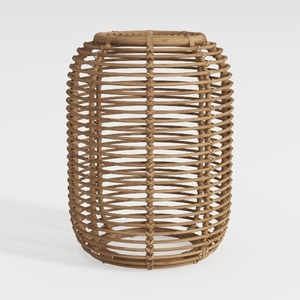
Bohemian Rattan Woven Side Table Accent 3D Model

Minimalist Solid Oak Fabric Loveseat Sofa 3D Model
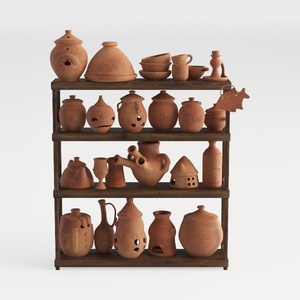
Rustic Terracotta Decorative Pottery Set with Wooden Shelf 3D Model
Homestyler is your go-to online home design platform for transforming ideas into reality. With its user-friendly design tool, stunning 3D renderings, and a wealth of DIY video tutorials, it's perfect for anyone looking to create their dream space with ease and inspiration.
Design Now for FREE
































