

I have a strong appreciation for a card table that seamlessly disappears when not in use yet performs exceptionally well during game nights. After designing and customizing several for both my clients and my home, I've developed a compact, sturdy, and comfortable DIY method that prioritizes ergonomics, lighting, and acoustics—ensuring your game night is enjoyable without causing sore backs or strained eyes. Thoughtfully designed seating height and illumination are crucial: WELL v2 recommends a light level of 300–500 lux for task-related activities to alleviate eye strain, aligning with the Illuminating Engineering Society’s standard. By structuring my designs around these specifications, I ensure that cards and chips are easily visible without any glare or shadows, making tools like Homestyler handy for visualizing the setup.
Comfort plays a vital role in enhancing performance and extending gaming sessions. Research from Herman Miller connects ergonomic support and proper posture to increased comfort and efficiency—maintaining an upright posture minimizes muscle fatigue and distractions during focused tasks. For card tables, a height range of 28–30 inches for the table and 17–19 inches for seating helps to maintain a healthy elbow position, while ensuring a clear knee space depth of 24–26 inches allows everyone to enjoy the game comfortably. These minor modifications greatly enrich the overall experience.
Plan Your Ideal Size, Shape, and Seating
Most optimal setups for four players are ideally 34–36 inches square; this intimate arrangement provides easy visibility and keeps the reach within 18 inches to the center—perfect for handling cards and snacks. For poker nights that involve chips and side bets, a slightly larger size of 38–40 inches square can be effective. For games with up to six players or board games, oval or round tables measuring 44–48 inches offer better sightlines for everyone involved. When designing a room, I ensure to leave a circulation lane of 36–44 inches around the table, facilitating easy movement without any collisions. Utilizing an interior layout planner can assist in visualizing the flow and spacing before any materials are cut—tools like Homestyler can provide fast simulations of this.
Materials That Feel Good and Wear Well
I opt for a 3/4 inch (19 mm) hardwood plywood core topped with hardwood edging—maple for a refined aesthetic or white oak for its warmth and resilience. If you're looking for a casino-inspired design, consider wrapping a 1/4 inch foam underlay in speed cloth or worsted wool felt for smooth card slides and predictable chip bouncing. For stability and knee clearance, solid wood legs ranging from 1.5 to 2 inches thick at the top or a sturdy trestle pedestal are excellent choices. A matte or satin finish of waterborne polyurethane not only minimizes reflections but also simplifies cleaning; matte finishes also help reduce glare, ensuring card colors are visible under task lighting, especially when using tools like Homestyler for visualization.
Ergonomics: Heights, Edges, and Reach
For most adults, a finished tabletop height of 29 inches is ideal. If your chairs are taller or shorter than the standard, adjust the table height to maintain elbows at near 90 degrees when holding cards. A 1.25 inch bullnose or eased edge is gentler on forearms, avoiding fatigue during extended play. Keeping the central play area within a 32–34 inch square allows for a comfortable reach of 15–18 inches. Consider incorporating chip ledges or simple inset trays in the corners to reduce clutter in the sightline and minimize accidental card exposure.
Lighting: Bright, Soft, and Shadow-Free
Consistent, glare-controlled lighting is essential. Aim for 300–500 lux at the table surface using warm-neutral 3000–3500K LEDs; adding a dimmer lets you adjust the ambiance for different game moods. A pendant light with a diameter of 20–24 inches, hung 30–34 inches above the table, illuminates faces and keeps cards clear without harsh highlights. Opt for fixtures that diffuse light or have a wide beam angle with a high CRI (90+) to easily differentiate reds, blacks, and subtle suit variations. To minimize contrast, include sconces or indirect floor lamps; extreme contrasts can quickly tire the eyes.
Acoustic Comfort: Hear the Table, Not the Room
Rooms with hard surfaces tend to amplify sounds from shuffling cards and handling chips. To dampen these reflections, I recommend using an area rug (8x10 under a square table), soft drapes, and upholstered seating. If your space has echoes, placing a felt wall panel or a well-stocked bookcase with absorbent items nearby can help. Additionally, maintaining a slightly soft tabletop with felt or a padded speed cloth helps lower clatter, allowing participants to hear bids and calls without the need to raise their voices.
Color Psychology for Atmosphere and Focus
The temperature and palette of colors significantly impact mood. Traditional greens and muted teals are effective as they minimize visual stress while contrasting well against standard card faces. Combining warm woods with desaturated blues fosters a calm environment, whereas vibrant reds can invigorate brief sessions, though they might be exhausting over long durations. Choosing a medium-dark shade for the tabletop avoids glare and highlights cards effectively; brighter accents work nicely as chair upholstery, trays, or coasters.
Joinery and Structure: Rock-Solid, Knock-Down Friendly
For stability, I employ threaded inserts with machine bolts in aprons, allowing the base to be easily broken down for storage. Corner blocks glued and secured into the apron rails help prevent racking. If you're considering a convertible design, hinge two 18–20 inch leaves using a continuous piano hinge and add a magnetic or dowel alignment to ensure a snug fit. A removable felt layer can rest atop a hardwood surface secured with low-profile magnets underneath for a versatile dining/game table.
Edge Features: Cup Holders, Chip Trays, and Power
Subtlety is key. Flush-mounted cup coasters help prevent spills; instead of deep cup wells that can trap glass bottoms and gather crumbs, opt for shallow corner trays (3/8–1/2 inch deep) to maintain organization. If streaming or using scorekeeping apps, consider incorporating a discreet cable channel below with a felted exit slot for power sources—this keeps cords off the table and organized.
Finishing: Low-Glare, High-Durability
Sand down to 180–220 grit, water-pop, and apply two to three coats of waterborne polyurethane, lightly screening between each coat. Matte finishes or low-sheen options enhance readability under pendant lighting and disguise fingerprints more effectively than glossy finishes. Should you wish to use cloth, wrap it over a foam layer and staple underneath; finish the bottom with a clean dust cover and attach felt feet to protect the flooring.
Space Planning: Fit Your Table to Your Room
Before making any cuts, it's crucial to test the footprint. For four seated players, ensure at least 8x8 ft; for six players, aim for 9x10 ft. Maintain a minimum clearance of 18 inches from the back of the chair to the wall when in use, and 36 inches or more for pass-through areas. If you want to float the table in the room, anchor it with a centered rug and pendant light; for tables needing to be stowed away, consider a folding base or a wall-mounted top that can be docked on a cleat. Using an interior layout planner to experiment with seating arrangements, traffic flow, and rug sizes can be very helpful—utilize a room design visualization tool to assist you in this.
Cut List and Build Snapshot
- Top: 36 x 36 x 3/4 inches plywood core with hardwood edge banding (1.25 inches thick).
- Aprons: Four rails at 3 x 32.5 x 3/4 inches (modify based on your leg style).
- Legs: Four at a net height of 28 inches (considering the top thickness).
- Corner blocks: 4–8 triangular blocks, 3/4–1 inch thick.
- Optional: 1/4 inch closed-cell foam and speed cloth/felt for a cushioned play surface.
- Hardware: Threaded inserts + machine bolts for easy disassembly; wood screws; felt pads.
Step-by-Step Build Overview
1) Prepare and edge the tabletop: Cut to dimension, attach hardwood edging, flush-trim, and ease edges.
2) Assemble the apron: Cut rails, create pocket holes or use mortise-and-tenon joints; glue and clamp into a square framework.
3) Reinforce corners: Install corner blocks using glue and screws to minimize racking risks.
4) Attach legs: Employ threaded inserts in the legs and secure them to the aprons to create a strong, detachable connection.
5) Finishing the surface: Either apply polyurethane or add foam and cloth if you prefer the felted top option.
6) Check your lighting: Suspend your pendant at 30–34 inches above the table, confirm that it provides 300–500 lux at the playing surface, and adjust dimming settings.
7) Perform a final check: Incorporate trays, coasters, and felt pads; ensure everything is stable and aligned.
Storage and Modularity
If you are limited on space, consider a split top with folding legs that can fit in a closet. A wall-mounted French cleat can transform the tabletop into a decorative element between game nights. Also, think about using stackable stools that can nest beneath the table and a compact credenza for storing chips, decks, and scoring tools.
Design Variations
- Casino-lite: Features a padded rail, speed cloth, shallow stainless cup coasters, and a removable dealer position marker.
- Modern minimal: Includes a solid wood top, eased square edges, powder-coated steel hairpin legs, and a matte finish.
- Convertible dining: Designed with a two-leaf top, removable felt layer, and a pedestal base to maximize knee clearance.
Care and Longevity
Gently clean with a damp cloth, steer clear of harsh solvents, and refresh felt surfaces with a fabric shaver. Reapply polyurethane every few years if the surface begins to lose its luster. Store accessories in breathable bins to avoid dampness and deformation.
FAQ
Q1: What is the ideal table height for playing card games?
A: A height of 29 inches works best. Pairing it with a seat height of 17–19 inches keeps elbows close to 90 degrees for comfort during extended gameplay.
Q2: How many players can be accommodated at a 36-inch square table?
A: It comfortably fits four players. For six, consider a round or oval design in the range of 44–48 inches to maintain equal sightlines and comfortable reach.
Q3: What lighting level should I aim for?
A: Aim for a lighting level of 300–500 lux at the tabletop, using 3000–3500K LEDs. Utilize diffusers or shades to manage glare and include a dimmer to adjust the ambience.
Q4: Is a felt or hard surface better for gameplay?
A: Felt surfaces decrease noise and enhance card glide; meanwhile, a hard surface is versatile for both ease of cleaning and aesthetic purposes. Consider using a removable felt layer for the best of both worlds.
Q5: How much clearance should I maintain around the table?
A: It's best to allow for a clearance of 36–44 inches to facilitate easy movement. In tighter spaces, aim for at least 18 inches behind a seated chair and 36 inches for passageways.
Q6: What materials are the most durable?
A: Hardwood plywood with hardwood edging is resistant to warping. Waterborne polyurethane in a matte or satin finish offers strong protection and minimizes glare.
Q7: How can I minimize noise from chips and shuffling?
A: Adding a rug beneath the table, choosing upholstered chairs, and incorporating a felted surface can help. Soft surfaces and nearby fabric elements will also help to reduce echo.
Q8: Is it possible to make the table disassemble for easy storage?
A: Absolutely. By utilizing threaded inserts and bolts to attach legs to the aprons, or considering a split or folding top design, you can effortlessly store it in a closet.
Q9: What color palette works best for the tabletop?
A: Colors like muted greens, teals, or medium-dark woods create high contrast with cards and promote a relaxed atmosphere during extended sessions.
Q10: How can I ensure fair and shadow-free play?
A: Center a diffused pendant light above the table, maintaining consistent light levels and avoiding glossy finishes that could create excess glare and hotspots.
Q11: Are cup holders a practical addition?
A: Utilizing flush coasters or shallow recesses is advisable to prevent spills without trapping glasses. Conversely, deep openings can create awkward situations and be difficult to clean.
Q12: What’s the recommended thickness for the tabletop?
A: A thickness of 3/4 inches for the core, combined with hardwood edging, provides a desirable balance of weight, sturdiness, and comfort for forearms.
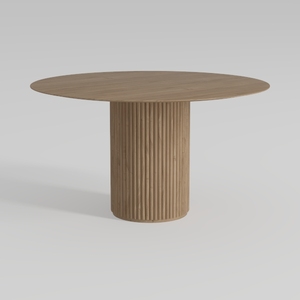
Minimalist Solid Oak Fluted Round Dining Table 3D Model


Modern Two Tone Fabric Metal Frame Accent Chair 3D Model
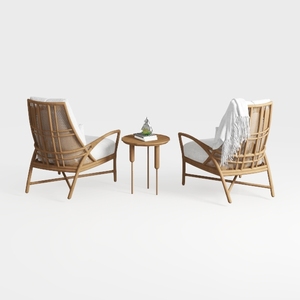
Bohemian Rattan Fabric Armchair and Side Table Set 3D Model
Discover the ease of home design with Homestyler! This user-friendly platform offers an intuitive online design tool, stunning 3D renderings, and an array of inspiring design projects and DIY video tutorials. Transform your space effortlessly and unleash your creativity today!
Design Now for FREE
































