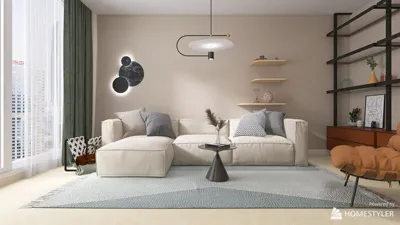


When I design boho living rooms, the goal is to create an atmosphere that feels curated rather than cluttered, with curtains playing a pivotal role in harmonizing the overall aesthetic. The ideal curtain panels minimize harsh lines, manage natural light, and introduce a rhythmic flow without enforcing strict symmetry. My top-performing boho window designs seamlessly integrate natural materials, authentic textures, and a color scheme that reflects a sense of wanderlust and craftsmanship, often utilizing tools like Homestyler for optimal layout planning.
The quality of daylight significantly influences the ambiance of a space. According to WELL v2 principles, it’s essential to prioritize visual comfort and manage glare, while the Illuminating Engineering Society suggests living areas should have illumination levels between 300 and 500 lux, with increased lighting for task zones such as reading. Research from Steelcase has demonstrated a link between access to natural light and improved wellbeing and productivity. Applied at home, boho curtains should mitigate midday glare, create a cozy warmth as dusk approaches, and maintain an inviting color profile throughout the day, especially when blending light sheers with adjustable light sources around 2700 to 3000K.
What Gives Curtains Their Relaxed Boho Vibe?
Boho aesthetics revolve around a relaxed structure characterized by organic fabrics, artisan patterns, visible texture, and thoughtfully layered designs. My approach involves a balanced combination of a calm base layer alongside a bold accent piece—think of a light linen sheer paired with a vibrantly hand-block-printed cotton. Achieving balance is vital: intricate patterns require space to breathe while solid fabrics can gain texture from slub yarns or fringe details. Additionally, incorporating spatial rhythm is key; extending hems to pool adds a languid feel, yet I limit puddling to 2–3 inches to avoid hazards or dust accumulation. For optimal layout, especially with corner windows or built-in seating, I often leverage layout planning tools like Homestyler to visualize clearances and light flow accurately.
Selecting Fabric: Prioritizing Touch Before Pattern
- Linen: This breathable and subtly crumpled fabric excels at diffusing daylight while maintaining a soft appearance, making medium-weight linen perfect for adding privacy.
- Cotton and Handloom Cotton: Beautifully absorbs dye and printing; designs inspired by block prints, ikat, and kantha stitching genuinely reflect boho style.
- Gauze and Open Weaves: Light, airy sheers that effectively mitigate glare while serving as a base layer beneath heavier drapery.
- Velvet (used sparingly): Rich, plant-dyed shades are ideal for cold months, offering warmth and acoustic softness—however, moderation is recommended to keep a relaxed vibe.
- Jute/Hemp Blends: These earthy textures can function as decorative side panels; I line them to reduce fraying and enhance draping.
Understanding Color Psychology for Bohemian Warmth
Color influences mood and behavior. Opting for warm, muted tones such as terracotta, umber, turmeric, and olive can anchor eclectic spaces while complementing wooden and woven elements. Research in color psychology indicates that vibrant warm colors are invigorating, in contrast to cool hues like greens and blues, which promote calmness. My typical approach involves a palette of two warm colors paired with one cool: for instance, terracotta panels stylishly contrasted with indigo cushions and sage plants, or light sand sheers highlighted with rusty accents. Throughout this, metallic finishes remain subtle—antique brass and aged bronze are particularly effective in keeping the overall scheme grounded.
Mixing Patterns Intelligently Without Overwhelm
Begin with a prominent pattern (such as large-scale suzani, paisley, or Moroccan tile) and complement it with smaller-scale patterns (like pin dots, narrow stripes, or subtle block-printed vines). It’s crucial to include at least one solid or semi-solid fabric to allow the eye to rest. As a basic guideline, vary the dimensions by combining large, medium, and micro patterns, and switch up the contrast—if the main print is high-contrast, then the companions should be low-contrast. Details such as pom-poms, tassel cords, or hand-stitched hems can introduce a crafted feel without overwhelming the visual field.
Layering for Light, Glare, and Privacy Like a Lighting Specialist
- Day-to-Night Layering: Combine a gauzy or linen sheer for daytime light diffusion with a lined cotton or velvet panel for evening privacy. This choice aligns with IES recommendations for automated comfort in residential spaces, allowing adjustments to various sun positions throughout the day.
- Stack-Back Plans: Determine the rod width based on full stacking possibility away from the glass. For a 48-inch wide window, I typically recommend an extra 20–24 inches of rod width (10–12 inches on each side) to maximize light access and preserve views.
- Temperature of Colors: Maintain lighting near windows in the range of 2700 to 3000K. Warmer lights highlight warm-hued boho textiles and naturally complement skin tones.
- Mitigating Glare: For rooms exposed to harsh westerly sunlight, consider incorporating dual track systems or ceiling-mounted ripple folds to facilitate swift changes during the golden hour.
Integrating Discreet or Intriguing Hardware
Bohemian hardware can embrace an artisanal look (such as turned wood or hammered brass) or a minimalist approach (like black iron rods). High-sheen finishes like chrome are best avoided. Utilize sturdy rings or concealed glides to ensure smooth operation. Finials should resonate with the room’s style—be it a carved leaf, a ceramic bead, or a clean cap if your curtains are already bold.
Daily Use Ergonomics
- Height Considerations: Position rods 6–12 inches above the window or just below the crown to create an illusion of taller walls. Hem lengths can skim or slightly puddle based on foot traffic dynamics.
- Accessibility: Make sure that frequently used panels can be opened with a single pull; employing a wand or cord option aids functionality, especially when furniture occupies the area beneath the window.
- Maintenance Insights: Pre-wash natural fibers to mitigate shrinkage. Line sun-facing panels to preserve prints and maintain a crisp fall.
Enhancing Acoustic Comfort with Textiles
Layered curtains can significantly soften the acoustics in a room, particularly those with hard surfaces. Heavier fabrics and double layers implemented near corners help minimize reverberation. For spaces featuring tall ceilings or large windows, combining floor-to-ceiling drapes with a wool rug and upholstered furnishings effectively balances echoes while preserving the free-spirited bohemian essence.
Sustainable Material Choices in Design
I prioritize using OEKO-TEX or GOTS-certified cotton and linen, utilizing low-VOC dyes alongside durable linings. Natural fibers age beautifully and can be repaired or repurposed into cushions. For hardware, opt for solid wood or recycled metal to align with sustainable practices that reflect boho’s values of craftsmanship, durability, and a sense of history.
Establishing Proportions and Visual Harmony
- Fullness: For sheers, aim for a fullness of 1.8–2.2 times the window width; for patterns, consider 2.2–2.5 times to avoid a sparse appearance when drawn.
- Length Considerations: Curtains should skim for active spaces, while a 2–3 inch puddle offers a romantic touch in low-traffic areas.
- Symmetry with Character: If windows are asymmetrical, balance them through visual weight by opting for bolder patterns on narrower windows and more subdued panels on wider ones, maintaining consistent rod heights throughout.
Window Layout Considerations
Boho interiors frequently incorporate plants, poufs, and layered seating adjacent to windows. It’s advisable to leave a clearance of 6–10 inches between the curtain edge and substantial plants to prevent moisture damage and snagging. For seating options below windows, a ceiling track permits curtains to glide seamlessly in front of furniture. When planning furniture arrangements and curtain stack-backs, a layout visualization tool like Homestyler can help anticipate potential clashes before installation.
Seasonal Adjustments and Decorative Styling
- For Warm Seasons: Employ sheer and lightweight cotton prints; consider adding bamboo shades to enhance texture and reduce glare.
- For Cool Seasons: Integrate lined velvet or quilted kantha panels as side accents to provide warmth and texture to the visual ambiance.
- Decorative Touches: Use tie-backs made from braided jute or macramé cords; combine clay tie-back hooks with vintage beads, ensuring trims maintain tonal harmony for a subtly sophisticated look.
Common Boho Curtain Combinations I Love
- Natural Linen Sheers paired with Indigo Block Print Panels: Perfect for bright, airy days and adding drama during the evenings.
- Sand-colored Gauze with Terracotta Cotton incorporating Kantha Stitch: Earthy and tactile options ideal for dimly lit rooms.
- Olive Linen combined with Patterned Sheer Stripes: Offering a calm green ambiance with delicate movement.
- Rust Velvet Side Panels blended with Neutral Sheers: Providing seasonal depth without overwhelming the space.
Frequently Asked Questions
Q1: How much natural light should I aim to maintain in a boho living room?
A1: The goal should be to preserve around 50–70% of daylight at the window during the day. Utilizing stack-backs allows panels to clear the glass, and sheer drapery can help diffuse rather than obstruct light. Aim for ambient illumination levels of approximately 300–500 lux in seating areas, complemented by task lighting for reading purposes.
Q2: What fullness level looks best with printed curtains?
A2: Aim for 2.2–2.5 times the window width for patterned curtain panels. This additional fullness ensures that the motifs appear lush and three-dimensional, stearing clear of a flat look.
Q3: Are decorative elements like pom-poms and tassels still in style, or do they appear outdated?
A3: They remain relevant when designed and colored thoughtfully. Opt for trims that are tonal or a couple of shades away from the base color and limit them to the edges or tie-backs to avoid cluttering the visual space.
Q4: Which colors help achieve a calm yet eclectic ambiance?
A4: Combine grounded warm colors (such as terracotta, clay, and ochre) with a balancing cool shade (like sage, dusty teal, or indigo). Warm hues foster connection, while subdued greens and blues help soothe stress and create a restorative atmosphere.
Q5: What is the recommended height for mounting boho curtains?
A5: Install rods 6–12 inches above the window or mount them on the ceiling to create a lofted feel. High mounts not only elongate walls but also give layered textiles a more intentional presence.
Q6: How can curtains enhance room acoustics?
A6: Incorporate heavier fabrics or double layers, particularly on expansive panes. Coverage that extends from floor to ceiling combined with textured weaves helps absorb mid-high frequencies, effectively reducing echoes of conversation.
Q7: How can I manage glare from west-facing windows without using blackout curtains?
A7: Utilizing dual layers offers a solution: open-weave sheers mitigate brightness while lined cotton can be deployed at peak sun times. Installing ceiling tracks allows for swift transitions, and guide your lamps to operate within a color temperature range of 2700–3000K for evening comfort.
Q8: What sustainable options conform to the boho aesthetic?
A8: Opt for GOTS or OEKO-TEX certified natural materials, utilize plant-based dyes, and durable lining choices. Remnants can be upcycled into cushions. For hardware, choose wood or recycled metal with a handcrafted finish to remain in harmony with sustainable principles.
Q9: How do I mix patterns effectively without creating visual chaos?
A9: Start with one dominant print, add a smaller-plus companion, and anchor them with a textured solid. Vary the scales and contrasts, repeating one color across all fabrics to achieve a coherent appearance.
Q10: Can velvet be utilized in a bright, compact living space?
A10: Absolutely—consider using medium-value velvet side panels (like olive, rust, or plum) and balance them with light sheers. Ensure that hardware is slim and placed high to maintain a spacious feeling without heaviness.
Q11: How do I maintain privacy for windows on street level?
A11: Consider using top-down sheers or lightweight café curtains in tandem with full-length panels. This approach will safeguard privacy while still allowing for daylight and sky visibility above.
Q12: What should I keep in mind when planning curtain clearances around plants and benches?
A12: It is wise to leave a gap of 6–10 inches between the edge of your fabric and any foliage. When placing benches beneath windows, utilizing ceiling tracks allows curtains to glide freely without catching on plants; test these clearances using a layout planner before installation.
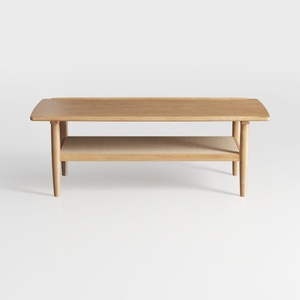
Solid Wood Coffee Table - 42.5” Firwood Farmhouse
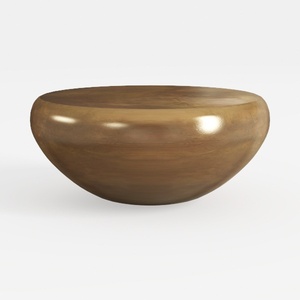
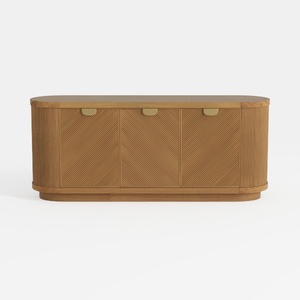
Meridian Furniture 77054Natural Everson Collection
Discover your creativity with Homestyler, the ultimate online home design platform! It offers a user-friendly design tool, stunning 3D renderings, and a wealth of design projects and DIY video tutorials. Whether you're a novice or an expert, bring your dream home to life effortlessly!
Дизайн сейчас бесплатно
































