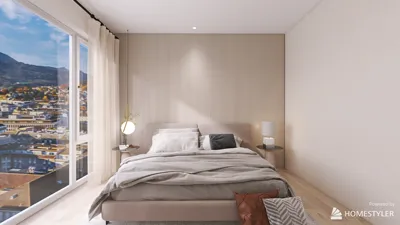


When I create birthday rooms for babies, I put in just as much effort as I would for family homes or early childhood learning spaces: ensuring safety, comfort, emotional warmth, and visual appeal. A memorable party goes beyond decorations and balloons; it's an intricate dance of lighting, colors, acoustics, and ergonomics designed for both the little ones and the adults who will be sitting, feeding, carrying, and taking photos throughout the event. Utilizing tools like Homestyler can help visualize these elements effectively.
Most parents underestimate the importance of lighting needs. According to the Illuminating Engineering Society, the recommended ambient lighting for comfortable residential settings hovers around 150-300 lux, crucial for protecting those delicate eyes (as stated in IES standards). From a wellness perspective, the WELL v2 framework emphasizes glare control and balanced color temperature to lessen visual fatigue during events. My approach features soft overhead lighting (2700–3000K), complemented by dimmable lamps that avoid direct beams on play areas or reflective surfaces that might disturb a baby's view. For those interested in further information about glare and visual comfort, the guidelines provided by WELL v2 are an excellent resource.
Colors and mood play an essential role in shaping the overall experience. Verywell Mind discusses color psychology, highlighting that soft blues can induce calmness, warm yellows can bring joy, and greens can offer a sense of restoration. I apply this knowledge by selecting subtle color palettes: think powder blue and cream for serene newborn celebrations, or butter yellow coupled with mint for cheer-filled first birthdays. I maintain low saturation levels and distribute colors thoughtfully to ensure the room feels harmonious and not overstimulating.
Setting the Intent: Prioritizing Safety and Playfulness
Before diving into decor, I outline the room into specific zones: areas for arriving and taking photos, play space, feeding zone, diaper changing, a quiet corner, and seating for adults. If you’re experimenting with various furniture arrangements, tools like a layout simulation can effectively illustrate clear pathways and ensure safe distances around furniture.
I never overlook safety specifics: outlet covers, out-of-reach cords, secure low-storage solutions, and corner protectors are essential. All decorative items should be placed above the baby's reach—hanging paper garlands high, keeping balloons tethered behind furniture, and removing heavy or fragile items from shelves. For added comfort on the floor, I recommend layering a firm, washable play mat on a low-pile rug for reduced slipping and cushioned support.
Lighting, Glare, and Comfort for Naptime
My preference is for layered lighting: a dimmable ceiling light for general ambiance, two table lamps with shades for a warm glow, and a single accent light that highlights the photo backdrop (but never shines directly at the baby). Maintaining a consistent color temperature of around 2700–3000K ensures that photographs appear warm and skin tones are represented naturally. In case the festivities coincide with nap times, I suggest adding blackout curtains or a portable shade in the quiet corner and minimizing changes in light intensity to prevent startling a waking child.
Color Palette and Themes That Avoid Overstimulation
I take a subtle approach to themes, focusing on texture rather than saturation. Instead of going bold, I opt for two soft anchor colors plus one accent: blush with dove gray accented by peach; sky blue and ivory punctuated by gentle mustard; mint combined with linen for a coral touch. Textured elements—like gauze runners, felt garlands, and matte balloons—absorb light and help reduce glare. I strategically place colorful elements where the camera will capture them best: behind the cake, in the banner, and within the photo nook, while ensuring the play area remains tranquil.
Acoustic Comfort Tailored for Sensitive Ears
Because babies are easily startled by sharp noises, I keep music at a level lower than casual conversation and incorporate fabrics, rugs, and plush seating to minimize echoes. If the venue features hard floors and multiple windows, I recommend adding fabric backdrops, table linens, and plush toys to enhance sound absorption. For the quiet corner designated for napping, portable white noise machines can be helpful, but they should be placed at a distance from the main party area.
Effective Zoning for Optimal Spatial Ratios
For the spatial distribution, I aim for a ratio of 40/30/20/10: allocating 40% for play areas, 30% for adult seating, 20% for the photo and cake area, and 10% for the quiet corner. This layout maintains smooth circulation and minimizes congestion around the cake table. In especially small rooms, I suggest arranging furniture outward to create a central play space that’s safe while ensuring stroller access is clear.
Designing a Photo Nook
Construct a simple yet well-lit backdrop using matte textures: employ muslin drapes, felt garlands, and a low bench or ottoman for parents to relax with the baby. Position the light at a 45-degree angle to avoid flat lighting and ensure shadows remain soft. Ensure props are positioned at a comfortable height for adults to reach, creating an organized space free of clutter on the floor.
Choosing Materials with Sustainability and Cleanup in Mind
I opt for washable fabrics and decor that can be composted or recycled. Decorations may include paper banners, fabric runners, and high-quality latex balloons secured far from curious hands. Avoid using sparkly materials that shed glitter and fragile decor pieces. For areas designated for food, I recommend wipeable table coverings and silicone mats beneath highchairs. To facilitate cleanup, I suggest having a labeled recycling bin and a closed trash bin to keep everything safe.
Furniture Selection and Ergonomic Considerations
Given that parents often find themselves on the floor or sitting with their babies, it’s vital to select seating that offers lumbar support and an appropriate height. Keeping a solid chair beside the quiet corner, a low table for easy access to bottles and wipes, and a bench near the photo area for quick group shots can enhance comfort. Make sure all paths are clear with at least 30–36 inches of space for strollers and safe carrying.
Feeding Arrangements and Cake Placement Strategy
Balancing functionality with aesthetics, I prefer cake tables that are slightly deeper than the norm, allowing decor to sit securely behind the cake itself and away from little hands. Position snack and feeding stations across from the play area to promote safe feeding while maintaining visibility. Have a spill kit handy with wipes, towels, and a small bin for dirty items, while ensuring allergen labels are clearly displayed.
Illuminating the Cake Moment
As you dim the lights for the candles, make sure to keep a gentle ambient glow so that cameras can capture the moment without startling the baby. Focus on maintaining low, warm lighting from other sources and steer clear of directing beams onto shiny cake toppers to prevent unwanted glare.
Simple Theme Ideas Focusing on Balanced Sensory Input
- Soft Safari: linen backdrop, felt animal silhouettes, leafy garland in gentle greens and tans.
- Cloud & Moon: muslin drapes, paper clouds, silver matte moon, with powder blue and cream tones.
- Pastel Garden: paper flowers, lace runners, with blush and mint accented by wooden elements.
- Storybook Minimal: monochrome banners with one accent color, complemented by low-contrast illustrations.
Suggestions for Layout and Flow
Be sure to test your arrangements ahead of time. Utilizing an interior layout planner, such as Homestyler, can help simulate traffic flow, navigate stroller turning radii, and establish sightlines that make supervision seamless between the play mat and seating areas.
Day-Of Confirmation Checklist
- Soft, dimmable lighting set at 2700–3000K.
- Glare assessed on shiny decor and appropriately mitigated.
- Play mat secured and outlets covered for safety.
- Ergonomic seating options with back support; ensure clear pathways (30–36 inches wide).
- Acoustic softening measures in place (using rugs and fabric).
- Photo nook adequately framed and illuminated; props easily accessible.
- Cleanup kits organized; all bins clearly labeled.
- Quiet corner shaded and comfortable for little ones.
Frequently Asked Questions
Q1: What is the ideal lighting level for a baby's party?
A1: Maintain ambient lighting around 150–300 lux using warm 2700–3000K lamps and diffused sources. This meets typical residential comfort standards recommended by IES and aligns with WELL v2’s glare control focuses.
Q2: What colors are least overstimulating for infants?
A2: Soft, desaturated colors—such as powder blue, mint, butter yellow, and blush—are gentler on babies' senses. Color psychology reaffirm these softer shades as calming.
Q3: How can I minimize echo and noise peaks in a room with hard floors?
A3: Incorporate fabric backdrops, rugs, table linens, and soft seating. Keep volume low for music, and distribute soft materials around reflective surfaces to absorb sound effectively.
Q4: What is a safe approach to using balloons?
A4: Opt for high-quality latex balloons, making sure to tether them behind furniture and keep them out of reach. Immediately dispose of any popped balloons.
Q5: How should I plan the room layout to ensure supervision?
A5: Center the play mat and arrange adult seating to face it. Maintain clear sightlines between the play area and snack or seating zones. Tools like room design visualization applications can help optimize circulation paths.
Q6: What types of chairs or stools are best for caregivers?
A6: Choose sturdy chairs with firm seats, lumbar support, and a seat height of approximately 17-19 inches to comfortably hold babies. Have a small side table nearby for easy access to supplies.
Q7: How should I handle lighting for the cake moment to avoid startling the baby?
A7: Dim the lights gradually while ensuring a warm ambient glow endures. Prevent sudden darkness and direct accent lights toward the backdrop rather than the baby or reflective cake surfaces.
Q8: Any suggestions for sustainable decor?
A8: Opt for fabrics that can be washed, paper decorations, and recyclable tableware while minimizing the use of glitter. Clearly label recycling and waste bins for efficient cleanup.
Q9: Where should I position the photo nook?
A9: Position it near natural light but shielded from direct sunlight. Utilize matte textures and angle lights at 45 degrees to avoid glare and keep shadows soft.
Q10: How do I effectively balance adult comfort with baby safety?
A10: Secure low storage, pad any sharp corners, establish 30–36 inch pathways, and provide supportive seating options. Keep adult items like hot drinks and phones away from the play area to ensure safety.
What began as an Autodesk innovation has evolved into a design platform used by more than 18 million people around the globe. Homestyler combines powerful rendering, an intuitive editor, and a vast furniture library to help you turn inspiration into photorealistic designs — whether you're redesigning a single room or planning an entire home.
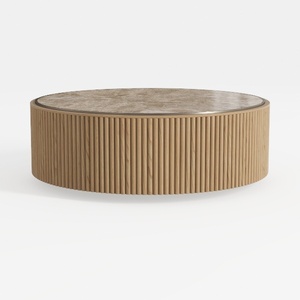
Modern Fluted Solid Wood Marble Top Round Coffee Table 3D Model
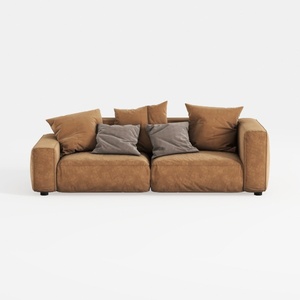

Minimalist Brown Suede Fabric Large Sofa With Throw Pillows 3D Model

Looking to transform your space effortlessly? Homestyler offers a user-friendly online design tool that allows you to create stunning 3D renderings and explore various design projects. Plus, with DIY video tutorials at your fingertips, you'll be inspired to bring your dream home to life!
Design Now for FREE
































