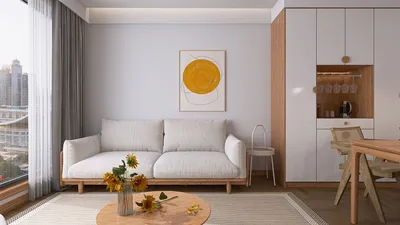


When I envision a study room and private library, I liken it to a finely-tuned instrument: every element must work harmoniously to minimize cognitive load and enhance concentration. The vision for a space styled like SM Joshi's work calls for a serene yet assertive atmosphere—organized bookshelves, warm wooden accents, and targeted lighting—alongside modern comforts promoting ergonomics, sound management, and digital adaptability, particularly through tools like Homestyler.
Two fundamental guiding principles steer my design. Firstly, visual comfort paired with appropriate task lighting: according to the Illuminating Engineering Society, around 300–500 lux is ideal for reading and focused activities, complemented by ambient light to mitigate contrast fatigue (as per IES standards). Secondly, ergonomics related to seating posture and reach: a desk height of 25–30 inches, with adjustable chairs keeping elbows near 90 degrees, lumbar support, and flat feet are crucial for reducing strain. Research by Herman Miller suggests that varying one’s posture throughout the day enhances both comfort and productivity in knowledge work. Moreover, enhancing environmental quality aligns with WELL v2 standards that stress the importance of controlling glare, reducing noise, and ensuring access to natural light, which further supports cognitive efficiency—reinforcing the importance of a comprehensive approach to lighting and sound control.
The significance of color psychology plays a vital role during prolonged sessions. Utilizing soft neutrals alongside muted greens or calming blues can effectively lower stress levels and stabilize focus. Verywell Mind indicates that blue promotes tranquility and cognitive clarity, while green aids in restoration during breaks. I prefer a harmonious color scheme: rich walnut for shelving provides gravitas, matte off-white walls manage reflectance (aiming for LRV 70–80 to enhance brightness without glare), and a subtle green fabric on the reading chair encourages relaxation. If the room layout is still being decided, employing a room layout tool can help test line-of-sight, reach, and flow before committing to permanent installations.
Establishing the Spatial Core
Every successful study area begins with a robust layout: the desk should be positioned to align with a window yet angled to prevent direct glare. I prefer to keep the main work surface perpendicular to windows, about 30-36 inches from the wall to facilitate cable management while allowing a shelf for quick reference. Bookshelves should encircle the room—tall cabinets against the back wall for a library ambiance, complemented by shorter 36-42 inch units near the workstation to maintain sightlines when seated. Aim for a minimum of 36 inches of space for movement; increase to 42-48 inches where people may cross paths.
In smaller spaces, one wall is transformed into a "knowledge wall": built-in options with a mix of open and closed storage. Open shelves are designated for frequently used references at shoulder height (48-54 inches), while closed storage at the base conserves space for gear and archival materials. This combination maintains visual appeal while minimizing dust accumulation and clutter.
Lighting for Energy and Functionality
Incorporate three layers of lighting. Ambient light: a dimmable ceiling wash—cove lights, linear slots, or soft domes—providing around 150-200 lux for balance during evening hours. Task lighting: a high-CRI desk lamp with a color temperature of 3000-4000K, placed opposite the dominant writing hand to prevent shadows, aiming for 300-500 lux on the surface as recommended by IES for reading tasks. Accent lighting: picture lights or shelf lamps offering 200-300 lux to enhance the visual interest of books and decor. Implement blackout or dual-roller shades to manage bright sunlight and avoid reflections on screens.
Glare is a hidden enemy of productivity. Choose matte finishes for desktops (GU ≤ 20), satin paints for walls, and fixtures equipped with microprismatic diffusers to diminish bright spots. If you prefer music while reading, selecting LED drivers with high frequency can help prevent flicker-related fatigue during extended sessions.
Seamless Ergonomics
Superior ergonomic design should feel unobtrusive. A desk with a depth of 28-32 inches enables room for a laptop, monitor, and open notebook without straining reach. For versatile use (both analogue and digital), I advocate for sit-stand desks with presets and slim edges to decrease wrist strain. Chairs must include three essentials: dynamic lumbar support, a waterfall seat edge, and arms that maintain a gap of 1-2 inches from the desk. A footrest beneath the desk aids shorter users in keeping knees at a neutral angle.
For tasks that involve significant hand writing (like drafting or annotating), an additional 24-30 inch deep work surface at 26-27 inches high enhances comfort during long sessions. Ensure the primary monitor is set at eye level (the top third of the screen should align with or be slightly below eye level) and placed at an arm’s length distance.
Creating an Acoustically Supportive Environment
While books contribute to the atmosphere, they alone aren’t sufficient for optimal sound quality. My goal is to achieve an RT60 of around 0.4-0.6 seconds in smaller study spaces. To achieve this, combine materials: place a dense rug (with a pile height of 8-10 mm), utilize fabric-wrapped pinboards on task walls, add lined drapes, and consider using a felt baffle or two above reading chairs. Ensuring door perimeters have proper seals and opting for solid-core doors will enhance soundproofing. Those who record or frequently attend calls would benefit from a broadband panel positioned behind the desk and a diffusion bookshelf behind the camera, resulting in clearer and more natural sound quality.
Material Considerations: Warm, Robust, and Non-Reflective
Opt for materials like walnut, white oak, or ash that provide warmth without overwhelming the visual space. Desk surfaces should feature durable matte-finished veneered MDF or linoleum to minimize reflections, ensuring they age gracefully. Bookshelves must have a depth of about 11-12 inches for typical books; heavier art volumes will necessitate 13 inches. I recommend 3/4 inch shelves with concealed steel supports for spans extending beyond 32 inches to prevent sagging.
Select natural textiles—wool blends for seating, cotton-linen for curtains—that harmonize with sound absorption and temperature regulation. Should sustainability be a priority, confirm low-VOC finishes and FSC-accredited wood; recommendations from WELL v2 and leading industry standards emphasize the connection between material health and occupant wellbeing.
Using Color to Influence Mental States
I adjust colors based on the intensity of tasks. For in-depth reading, employ a cool-neutral backdrop highlighted by muted blue-green details. For creative brainstorming or note outlining, integrating a warm accent—such as an ochre or terracotta pinboard—can stimulate connections while avoiding sensory overload. A color psychology overview from Verywell Mind connects blue to tranquillity and focus, while green facilitates restoration; saturated reds should be relegated to minimal, purposeful accents.
Organizing Storage for Clarity and Efficiency
Clear organization accelerates workflow. Reserve prime shelves (at eye level) for active projects. Utilize magazine files to organize loose documents and maintain consistent labeling on spines. A shallow drawer equipped with dividers serves for pens, tabs, and chargers; deeper drawers accommodate laptops and other peripherals. Using cable trays and grommets keeps surfaces tidy, while a concealed charging unit within a base cabinet avoids “charger clutter.”
Discreet Technology Integration
Incorporate a power strip along the back of the desk, equipped with USB-C and standard AC connections. For users with multiple devices, a silent under-desk hub along with a single surge-protected outlet simplifies setup. For screens, consider a 27-32 inch monitor on an adjustable arm to create more space on the desk for books and materials. Utilizing warm-dim lighting (from 3000K down to 2200K) allows the room to transition into an inviting evening library without sacrificing natural color clarity during the day.
Reading Nook: The Heart of the Library
A thoughtfully designed library deserves a comforting reading chair. I seek a high-backed lounge chair with head support, firm seating, and armrests suitable for jotting down notes. Augment this space with a swing-arm floor lamp featuring a 3000K bulb and a small side table measuring 22-24 inches high for a cup of tea and a notebook. Additionally, a small ottoman promotes postural changes through long reading periods.
Optimizing Daylight and Reducing Glare
Position reflective materials at right angles to windows. Employ sheer curtains to soften midday sunlight; layering these with roller shades maintains constant illumination levels. In the presence of skylights, use internal baffles or light shelves to minimize bright spots on work surfaces. Place monitors in line with window bays; consider using anti-glare filters if window surfaces are highly reflective.
Balancing Proportions and Visual Harmony
Incorporating repeated vertical elements in shelving creates visual serenity—target widths should range from 24-32 inches. Varying shelf heights can optimize space: 10.5 inches for standard books, 12–14 inches for taller volumes, including a single bay of 16–18 inches for art books. Maintaining a 60–40 ratio of closed to open shelving in the lower part of the cabinetry helps keep the room visually serene while remaining accessible. Where possible, align door tops, shelf edges, and window heads to craft a cohesive visual rhythm.
Effective Design in Smaller Spaces
In constrained environments, I focus on maximizing function and minimizing depth. A wall-mounted workspace measuring 24–26 inches in depth paired with a slim pedestal drawer and a narrow top shelf of 9–10 inches can facilitate full workspace capabilities. Consider employing pocket doors to create more room for movement. Prior to establishing electrical outlets and data connections, utilize an interior layout tool to confirm reach, lighting adequacy, and camera angles suitable for virtual meetings.
Styling That Enhances Purpose
Limit decorative choices to those that reinforce your intended use of the space. A single significant piece of art adjacent to the reading nook, a modest plant with matte leaves, and a few curated objects on display create an inviting atmosphere without distractions. Incorporating bookends in dark bronze or leather introduces a tactile element. Ensure surfaces remain 70-80% clear to foster productivity.
Maintaining Longevity and Functionality
Library spaces can thrive over time with proper upkeep. Opt for handles and hardware that develop a pleasing patina. Utilize washable paints with matte finishes for easy touch-ups. Install brushes along the lower edges of cabinet doors to combat dust accumulation. Utilize LED lighting rated over 90+ CRI with lifespans of L70 at 50,000 hours to reduce the need for frequent replacements and maintain consistent color fidelity.
Crucial Details for Effective Casework
Strengthen shelf edges with solid wood for added resilience. Recess toe-kicks (3 inches deep, 4 inches high) to visually lighten cabinetry and protect bases. Consider adding a ladder rail only if necessary due to ceiling height and span conditions; otherwise, maintain a foldable step stool hidden within a cabinet for practicality.
Integrating Design Elements
A study room and private library thrive when lighting, sound management, ergonomics, and storage solutions create a cohesive ecosystem. Utilizing calibrated lighting per IES recommendations, ergonomic furniture informed by workplace studies, coupled with a subtle color palette and intentional accents fosters an environment where reading and writing become effortless. A few thoughtful adjustments transform the room into a lasting companion for focus and learning, made even simpler with the help of tools like Homestyler for visual planning.
If you're looking to experiment with desk arrangements, shelf configurations, or traffic pathways before construction, employing a room design visualization tool can help in exploring layouts and predicting visual outcomes: Homestyler.
Frequently Asked Questions
Q1: What lighting level should I aim for when using my desk for reading and note-taking?
A1: Target a lighting level of 300–500 lux on the work surface, supplemented by ambient illumination at around 150–200 lux to minimize visual fatigue. These recommendations align with IES guidelines for task lighting.
Q2: Which features in a chair are essential for extended studying?
A2: Look for key aspects such as adjustable lumbar support, a waterfall edge on the seat, armrests allowing elbows to remain close to 90 degrees, and breathable fabrics. Variability in posture throughout the day enhances comfort, supported by insights from Herman Miller's findings.
Q3: How can I minimize glare from windows impacting my screen?
A3: Set monitors at right angles to windows, use sheer curtains alongside roller shades, and select matte finishes on all surfaces. If necessary, consider an anti-glare filter for reflective facades.
Q4: What dimensions work best for shelves accommodating most types of books?
A4: Shelves should ideally be 11–12 inches deep for standard literature, with a depth of 13 inches adequate for larger art books. Heights of 10.5 inches cater to most texts while adding a few taller shelves measuring 12–14 inches for oversized items.
Q5: What strategies exist for improving acoustics without noticeable foam panels?
A5: Use a blend of acoustic solutions: incorporate a thick rug, lined drapes, fabric-covered pinboards, and book-filled shelves. Target an RT60 of approximately 0.4–0.6 seconds in smaller areas to ensure clarity in speech and overall comfort.
Q6: Which colors are most effective for maintaining focus in a study area?
A6: Utilize cooler neutral tones paired with blue or green accents to foster calmness and reconciliation, as supported by color psychology resources. Keep intense reds to a minimum to avoid distraction.
Q7: What should be the optimal circulation space between a desk and shelves?
A7: Aim for a minimum clearance of 36 inches for single-user pathways; increase this to 42-48 inches when two individuals need to pass or if maneuvering is required for a task chair.
Q8: How can I effectively keep technology clutter out of sight?
A8: Utilize under-desk power strips equipped with a single surge protector, alongside cable management options like trays and grommets, ensuring an organized workspace. A monitor arm will free up valuable desk space.
Q9: Are sit-stand desks a beneficial addition to a library?
A9: Absolutely, especially if engaging in both reading and typing. Adjustable heights facilitate quick changes; combining with a supportive stool and an anti-fatigue mat enhances standing comfort.
Q10: What warm color temperature is best for reading in the evening?
A10: Choose warm white lighting around 2700–3000K to assist in relaxation and lessen blue light exposure, while ensuring high CRI levels to maintain clear text visibility during daylight hours.
Q11: How do I design a compact study without sacrificing storage options?
A11: Leverage wall-mounted desks at a depth of 24–26 inches, combine open and closed compartments, and validate clearances and visibility using an interior layout planner prior to establishing any fixed cabinetry.
Q12: What types of materials hold up well in a library environment?
A12: Utilize solid woods or veneered composites with matte surfaces alongside wool-blend upholstery and linoleum desktops. These materials exhibit durability, character development, glare resistance, and warmth in tactile elements.

If you're looking to transform your home effortlessly, try Homestyler! This fantastic online design platform offers a user-friendly design tool, stunning 3D renderings, a wealth of design projects, and informative video tutorials. Create your dream space with ease and confidence!
Design Now for FREE
































