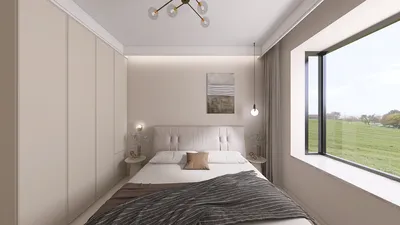


In the realm of architectural renderings, the background is pivotal in crafting the overall visual narrative and enhancing the aesthetic appeal of your designs. A thoughtfully designed house background can significantly uplift your renderings, allowing you to communicate the desired mood and style of the space you’re presenting. This article delves into effective strategies and creative ideas for designing an engaging house background that complements your architectural visuals.
Essential Tips for Crafting House Backgrounds
Creating an eye-catching house background requires careful consideration of various factors. Below are some valuable tips to assist you in developing a striking backdrop for your architectural renderings:
Reflect on the environment in which your house is located. Whether it’s a tranquil countryside, a vibrant urban setting, or a picturesque suburban neighborhood, each backdrop creates a unique context. Choose an environment that enhances your design and highlights its best features.
Incorporating elements such as trees, shrubs, flowers, and other organic components can breathe life into your background. Mixing various textures and colors will create a cohesive harmony that captivates the viewer while maintaining focus on the core features of your rendering.
Select softer, muted tones for your background to ensure a balanced composition. Vigorous colors can divert attention away from your main subject, so it's advisable to choose shades that harmonize with the color scheme of your house.
Textures and Materials to Enhance Your Background
The selection of textures and materials in your background can profoundly influence the visual impact of your renderings. Here are some innovative ideas:
Incorporating brick or stone textures can infuse your background with depth and distinctive character, suitable for both contemporary and traditional architectural designs.
A gradient sky can enhance the feeling of depth and dimension. Consider using smooth transitions of soft blues, pinks, or purples to achieve a more authentic appearance.
Subtle patterns, such as a light wave or gentle overlay, can introduce visual complexity without overpowering the main focus. This technique is particularly effective for backgrounds designed to support rather than overshadow the foreground elements.
Explore Using the Premier Home Design Software
Projete agora para LIVRE
































