


Building a 3D contour model presents a thrilling opportunity to visualize geographical landscapes or architectural frameworks. This method enables architects and engineers to depict surfaces in three dimensions, thus improving the comprehension of layout and elevation. This thorough guide will equip you with everything necessary to craft a professional and detailed 3D contour model, ensuring that your designs not only meet user expectations but also adhere to search engine optimization principles.
To embark on creating a 3D contour model, you will need to gather essential materials and have foundational knowledge of 3D modeling software. This article will lead you through each phase step-by-step, making sure you can design intricate models without getting overwhelmed. By the conclusion, you will have a solid grasp of how to assemble a model that effectively communicates elevation and layout.
Understanding the Fundamentals of Contour Modeling
A contour model visually portrays the elevation of a landscape through contour lines, indicating the height of the land in relation to sea level. These lines can be sketched on a flat surface and then escalated to generate a three-dimensional effect. Grasping the foundational concepts of contour modeling will empower you to utilize software tools or manual practices effectively. An imperative initial step is to compile topographical data for the area of interest. This information can be sourced from GPS surveys, GIS datasets, or existing maps. Your goal is to understand the elevation variations in your target area to guarantee accuracy in your model.
Selecting the Right Software
Choosing the right 3D modeling software is pivotal. Notable software options include SketchUp, AutoCAD, and Blender, each providing unique functionalities tailored to different expertise levels. Pick the software that best suits your skills and project demands. Once decided, take the time to familiarize yourself with the interface of the software. Most programs offer specific tools geared towards creating and modifying 3D objects, so investing time to explore these features before diving into your contour model creation is beneficial.
A Step-by-Step Approach to Create a 3D Contour Model
Begin by importing your topographic data into the software or sketching a layout informed by elevation measurements. Ensure that your lines correctly illustrate the terrain's contours. Make necessary adjustments to guarantee clarity and precision in your representation.
Utilizing the software's extrusion tool, transform your 2D contour lines into 3D forms by extruding them to various heights based on your data. This action will lend your model depth and a realistic appearance, enhancing its engagement and utility for visual assessments.
Once the extrusion is complete, refine your model by softening edges, applying textures or materials that mirror actual surfaces like grass, water, or rock. Color gradients may also be introduced to graphically represent different elevation levels, thereby boosting the model's functionality and aesthetic appeal.
Finalizing Your 3D Contour Model
After achieving satisfaction with the shape and texture, double-check that all contour lines are accurately reflected in the model. Ensure that it satisfies anticipated quality benchmarks for both practical use and presentation. Save your progress, and consider rendering it to enhance lighting and shadow effects, as these can significantly amplify the visual impact of your model.
FAQ
Q: Which software is optimal for creating 3D contour models? A: Popular options include SketchUp, AutoCAD, and Blender, each offering unique features for 3D modeling suited to various users' needs.
Q: How do I obtain accurate topographic data? A: Accurate topographical data can be gathered from GPS surveys, GIS databases, or existing detailed maps, ensuring the precision of your model.
Q: Is it possible to create contour models manually? A: Yes, contour models can also be crafted using hand-drawn techniques with materials such as foam or cardboard to depict elevation changes, offering a tactile approach to understanding the terrain.

Tbfit Oversized Modular Sectional Sofa, Chenille
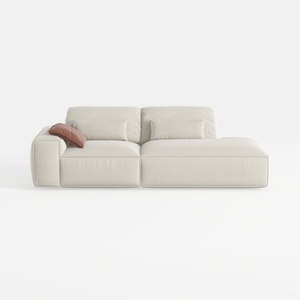
109" Cloud Sectional Couch - L Shaped Chenille Cou
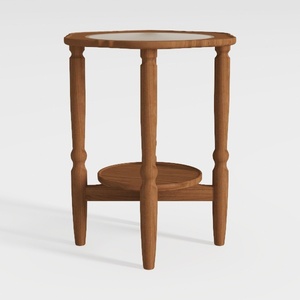

HOOBRO Small Round Side Table with Charging
Homestyler is your go-to online home design platform, perfect for users of all skill levels. With its intuitive design tool and stunning 3D rendering capabilities, you can visualize your dream space effortlessly. Plus, gain inspiration from a wealth of design projects and easy-to-follow video tutorials. Start creating today!
Design Now for FREE
































