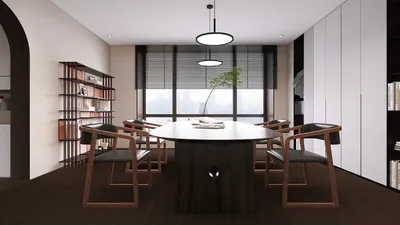


In Dubai, the demand for compact urban rentals and a lively co-living environment necessitates the creation of shared rooms that feel inviting, efficient, and serene. My approach emphasizes spatial clarity, effective zoning, and ergonomic design to ensure that multiple occupants can flourish without a sense of overcrowding. Given the UAE’s warm climate and towering buildings, maintaining airflow, managing light exposure, and ensuring acoustic comfort becomes as crucial as selecting the right furnishings. Utilizing tools like Homestyler can help visualize these elements seamlessly.
Strategically planned spaces grounded in research can significantly minimize everyday stress. Studies from Herman Miller highlight that clearly defined circulation paths can ease cognitive strain and reduce micro-stressors in daily activities; well-organized zones facilitate smoother transitions between tasks and relaxation. The WELL v2 standards emphasize the importance of lighting quality and glare mitigation as key factors in ensuring comfort and health, particularly in areas designated for sleep and work. These principles are integral to all the recommendations made herein. Additionally, research by Gensler underscores that environments featuring distinct activity zones promote long-term productivity and overall well-being.
Lighting acts as a powerful design element that can enhance mood and functionality. The Illuminating Engineering Society (IES) recommends minimizing glare, calibrating light levels to task needs, and aligning with natural circadian cycles. In communal living spaces, it’s beneficial to implement layered lighting strategies: using warm bedside lamps (2700–3000K) for winding down, neutral desk lights (3500–4000K) for working, and adjustable ambient fixtures to facilitate smooth transitions. The color psychology insights from Verywell Mind support these design choices, suggesting that calming blues and gentle greens can alleviate stress, while vibrant reds may invigorate, making them more suited as accent colors rather than dominant shades in sleeping areas.
Establishing Zones: Defining Spaces Without Walls
In compact Dubai bedrooms, effective zoning can significantly reduce friction among roommates. I recommend dividing the space into three distinct areas: sleep, storage, and study. Each occupant can have mirrored micro-zones to foster a sense of ownership. Using low, perforated shelving or fabric panels can visually separate sleeping areas without obstructing airflow—a crucial factor given that air conditioning is heavily relied upon most of the year. If you’re designing the layout, employing a room layout simulator like Homestyler can help evaluate walking pathways, reach zones, and sightlines prior to furniture placement.
Essential Ergonomics for Shared Spaces
In tight living quarters, human factors become increasingly significant. Ensure a minimum circulation width of 750–900 mm to prevent occupants from bumping into each other. It's advisable to maintain a reach zone of 450–600 mm around desks and storage areas to avoid congestion during busy mornings. Chair arms should not touch desk edges to minimize noise and potential damage. If bunk beds are required, select designs that provide ample headroom and secure ladder placements to mitigate nighttime hazards. Incorporating soft-close hardware on storage solutions can minimize noise—this often-overlooked feature can greatly contribute to a peaceful living environment.
Storage Solutions to Avoid Clutter Conflicts
To minimize conflicts over storage, designate vertical spaces per individual—assign upper shelves to one occupant while the other utilizes lower compartments. Utilize under-bed drawers for seasonal items, and use clearly labeled bins to maintain accountability. Establishing a communal ‘landing strip’ near the entrance for items like keys and chargers can help contain clutter. Given Dubai's sandy conditions, utilizing enclosed storage to keep dust off textiles and electronics is wise; adding a small handheld vacuum can facilitate easy clean-ups.
Light, Air, and Temperature: Ensuring Comfort in Dubai’s Climate
When arranging AC zones, be mindful of bed placements. It’s best to avoid positioning air supply vents directly at pillows to alleviate issues like dry eyes and throat irritation. Using sheer blinds during the day can soften harsh sunlight while maintaining privacy, while blackout curtains at night can help regulate melatonin production for shared sleeping schedules. Task lighting should be individually controlled; plug-in dimmers or smart bulbs can reduce disruptions during late-night activities.
Choosing Colors and Materials Thoughtfully
Select a tranquil base color palette—consider shades like sand, dove gray, and dusty blue—while allowing each occupant to express individual style through personal accents such as artwork, bedding, or painted stripes. In hot climates, opt for breathable natural materials such as cotton and linen, which are superior to synthetic fabrics. For furniture, prioritize water-resistant laminates and powder-coated metal pieces as they are more resilient against humidity and easy to clean post-dust storms. Incorporating a small, tightly woven rug can provide sound dampening without trapping sand.
Enhancing Acoustic Comfort: Reducing Noise and Echo
Shared living spaces can amplify sound. Introducing a wall-mounted pinboard or fabric panel behind desks can help absorb echoes. Placing felt pads under furniture can prevent scraping noises. If doors open into hallways, install dense door sweeps and weather stripping to minimize hallway sounds. Soft-close hinges and drawer slides can also mitigate sharp noises, and utilizing desk mats can decrease keyboard clatter.
Small Adjustments for Privacy
Privacy extends beyond visual barriers. Implementing staggered wake-up routines can help manage noise: consider turning on lamps at low settings, using headphones instead of speakers, and organizing items in advance. A lightweight screen or bookcase can create a designated dressing area. For phone calls, a compact desk hood or a clip-on acoustic shield can effectively contain sound.
Optimizing Layouts for Space Efficiency
When arranging two twin beds, position them parallel, incorporating a shared center console with dual task lights and USB ports. For bunk beds, place the desk beneath the lofted bed, slightly offset to ensure clear circulation. If a single desk needs to accommodate two occupants, consider installing a sliding keyboard tray and an adjustable stool to enhance flexibility. Validate your layout choices using an interior design planner to check reach and clearance before acquiring heavier furniture.
Cultivating Habits and Shared Agreements
While design creates the ideal environment, shared habits help maintain it. Establish a weekly clean-up routine: wash linens, declutter surfaces, and relabel bins as necessary. Divide cleaning responsibilities by area rather than task to promote individual ownership. Setting quiet hours alongside warm lighting and blackout curtains can help safeguard sleep. A small corkboard for scheduling can keep everyone on the same page regarding expectations and activities.
Budget-Conscious Enhancements
Begin with upgrading lighting, then shift focus to storage solutions and acoustic enhancements. Items such as clip-on task lights, under-bed drawers, felt pads, and door sweeps can yield significant improvements without a heavy financial burden. When considering a larger investment, prioritize purchasing a mattress that excels in motion isolation to minimize disturbances, which is particularly crucial in bunk arrangements.
Fundamental Principles Backed by Research
Integrating layered lighting with glare control (as per WELL v2 guidelines), ensuring ample circulation space and defined zones (supported by Herman Miller studies), along with clearly marked activity areas (as revealed by Gensler research) can greatly enhance comfort in shared living spaces. Use this list as a helpful checklist while fine-tuning your plans.
Common Questions
Utilize mirrored micro-zones for sleeping, storage, and studying; ensure circulation paths are maintained at 750–900 mm, and consider low partitions or shelving to create visual separation without obstructing airflow.
Offer independent task lighting with dimmers, use warm bedside lamps (2700–3000K) to encourage relaxation, neutral lights (3500–4000K) for work, and incorporate blackout curtains to facilitate sleep.
Incorporate felt pads under furniture, utilize soft-close mechanisms, install a dense door sweep, and add a small rug; fabric pinboards near desks can also help with echo absorption.
Opt for soothing hues like soft blues and greens to ease stress; combine them with neutral shades like sand or gray, and reserve richer reds or oranges as minor accents to prevent overstimulation.
Assign vertical storage thoughtfully, clearly label bins, and opt for under-bed drawers for bulkier items. Develop a shared landing zone near the entrance to manage potential clutter.
Yes, provided ladder angles are safe, headroom is sufficient, and mattresses offer effective motion isolation. Additionally, consider adding reading lights for each bunk to enhance convenience.
Position beds away from direct air supply vents, use sheer blinds to control daytime glare, and consider introducing a humidifier if the air feels excessively dry.
Certainly—using a room design visualization tool like Homestyler allows you to assess clearances, pathways, and storage reach, preventing the need for adjustments after furniture placement.
Implement a weekly reset: launder bed linens, clear surfaces, relabel storage bins, and discuss schedules using a shared board. This should be complemented by established quiet hours.
Incorporate personal accent colors, art, and bedding styles into a shared calming base palette while keeping vibrant elements contained to individual micro-zones.
Built on technology originally developed at Autodesk, Homestyler empowers anyone to design beautiful, realistic spaces in minutes. Join over 18 million users who have already discovered a smarter way to plan, visualize, and bring their dream homes to life — all from the comfort of a browser.
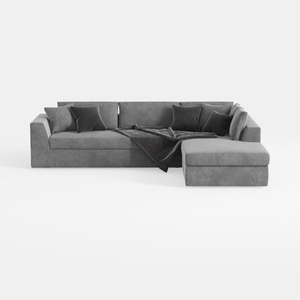
Minimalist Gray Fabric Sectional Sofa with Throw Pillows and Blanket 3D Model
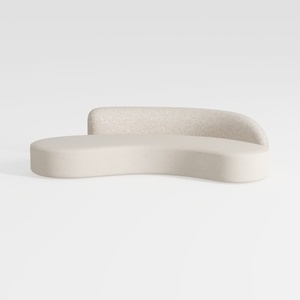
Minimalist Boucle Curved Sofa 3D Model
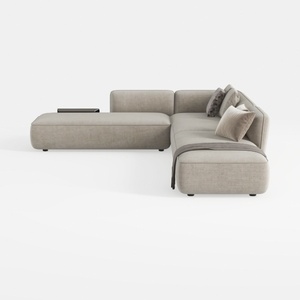
Minimalist Fabric L Shaped Sectional Sofa with Throw Pillows 3D Model
Discover your inner designer with Homestyler! This user-friendly online platform features a versatile design tool, stunning 3D renderings, and inspiring DIY tutorials to help you create your dream home effortlessly. Perfect for all skill levels, let your creativity flourish with Homestyler!
Дизайн сейчас бесплатно
































