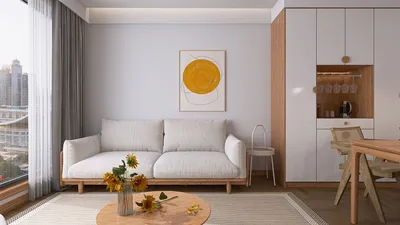


Having crafted numerous intimate environments for couples, I’ve focused on elements such as compact city bedrooms, romantic weekend getaways, and cozy sanctuaries that promote daily comfort. The most effective designs harmoniously blend light, color, acoustics, and ergonomic principles to facilitate connection. Research consistently supports this approach; for instance, Gensler’s workplace studies correlate perceived comfort with enhanced wellbeing, while the WELL v2 Light concept highlights that appropriate lighting can uplift mood and improve sleep quality—both crucial for romance. Moreover, Steelcase's findings indicate that environments designed to minimize distractions and stress can lead to greater satisfaction, enhancing the depth of connection between partners at home.
My design philosophy merges objective standards with sensory subtleties. For optimal lighting, I adhere to Illuminating Engineering Society (IES) guidelines, aiming for ambient light levels around 100–150 lux during relaxation and 300 lux for task areas, incorporating warm dimming to transition from activity to intimacy. Color psychology plays a significant role; studies from Verywell Mind indicate that soft pinks foster nurture, desaturated greens provide calm, and vibrant reds, while invigorating, work better as accents. By making evidence-based design choices—using neutral bases, warm undertones, and subtle contrasts—I create a visually inviting space that allows for focus on each other, rather than the surroundings. For those interested in furniture arrangement, employing an interior layout planner or a room design tool can effectively simulate visibility, circulation, and intimate seating options before moving heavier pieces.
Creating Romantic Atmospheres with Lighting
The essence of romance dwells in the interplay between light and shadow. I utilize three lighting layers: ambient, task, and sparkle. Ambient light should be sourced from cove or shaded fixtures dimmed to 10–30% brightness, yielding 50–150 lux at seated height, harmonizing with warm tones around 2200–2700K. For task lighting, bedside swing arms or low-glare table lamps should provide around 300–400 lux for reading purposes (2700–3000K). The sparkle element introduces subtle flickers through candle clusters or micro-LEDs, enhancing perceived intimacy. To preclude glare, using shielded bulbs, fabric shades, and indirect lighting helps maintain cozy ambiance. Those incorporating smart technology can set a ‘winding down’ mode at 20% ambient light and 2700K, allowing for a gradual 30-minute fade to minimize cognitive activation.
Color that Fuels Intimacy
The emotional impact of color is significant in setting the tone for romance. My preference is a neutral backdrop of warm whites with a hint of grey or beige, complemented by accents that provide warmth and security. Colors like soft blush, terracotta, cinnamon, muted plum, and moss green create a grounded feel without being overly heavy. It’s advisable to steer clear of vivid wall colors, as they can strain the eyes and heighten arousal levels beyond comfort. If vibrant hues appeal to you, reserve them for textiles, artwork, or a singular accent wall with a matte finish to reduce glare. Pair these with natural textures—think bouclé, washed linen, and wool felt—to achieve a serene atmosphere.
Arranging Spaces for Enhanced Connection
Couples thrive on proximity and comfort, with an element of choice. In bedrooms, ensure a clear passage of 24–30 inches around the bed, and keep nightstands at matched heights to promote symmetry. In living rooms, arrange two lounge chairs at an angle of 90–120 degrees, paired with a small shared table to maintain engaging sightlines while offering personal space. Avoid placing main seating directly in high-traffic areas; a subtle separation suggests private moments. Prior to making final arrangements, utilizing a layout simulation tool can help evaluate conversation setup, TV positioning, and easy access zones for items like drinks or books.
Incorporating Textures, Materials, and Tactility
Romance flourishes through tactile experiences. Combine soft elements with structured ones: think of a tightly woven rug for comfort and sound absorption, paired with a linen duvet and cashmere throw, interspersed with sleek ceramics and matte wood. Opt for sustainable choices like certified wood, low-VOC paints, and natural fibers that enhance indoor air quality—important for promoting relaxation. Aim for lower gloss levels on large surfaces to minimize glare and keep a softer visual appeal.
Promoting Acoustic Comfort and Quiet Spaces
Noise disrupts romantic moments. Begin with absorption and follow up with isolation. Use carpets with dense pads, lined curtains, and upholstered headboards to enhance the room’s noise reduction capability. Bookshelves with varied depths serve as effective diffusers. To combat outside noise, consider double-layer curtains, weather stripping, or a low-decibel sound masker for consistent coverage. It’s also critical to minimize mechanical noise in the sleeping area by relocating chargers and devices away from the bedside, along with muting notification sounds.
Creating Rituals and Micro-Zones
Establish micro-zones for shared rituals, such as a tea tray on a low console, a vinyl setup with a small record shelf, or a reading corner equipped with matching throws. Keep scents subtle—natural essential oil blends like cedar, bergamot, or neroli can cue togetherness without overpowering. Use trays to organize accessories, minimizing clutter; a tidy space is essential for nurturing romance.
Understanding Human Factors: Comfort, Ergonomics, and Sleep
Comfort is key to fostering connection. A bed height of around 24 inches aids in ease of access for most adults. Select mattress firmness to ensure spinal alignment for both partners; varying preferences can benefit from dual-zone mattress toppers. Position bedside lamps so that the light source rests below eye level while seated, minimizing glare. Ensure that light switches and dimmers are reachable from the edge of the bed to facilitate relaxation; also, allow for a 18–24 inch clearance for wardrobe doors to prevent bumps. Diminish nighttime pathway lighting to below 1 lux using warm LEDs for safety, without interfering with melatonin production.
Integrating Art, Personalization, and Storytelling
Intimate spaces evoke personal narratives. Curate a compact gallery featuring travel photographs in uniform frames, a handwritten poem, or a piece of textile art. For artwork above the headboard, maintain a modest scale—avoid placing heavy items directly over the bed. If bold art speaks to your heart, balance it with softer textures and muted color palettes to ensure it complements rather than overwhelms.
Harnessing Technology: Supportive, Not Overbearing
Leverage technology in subtle ways. Conceal TVs, manage cable visibility, and store remotes in drawers. Create preset scenes—like ‘Welcome Home,’ ‘Dinner,’ ‘Read,’ ‘Night’—to seamlessly shift lighting and music. Direct speakers for an enveloping rather than overpowering sound. Screens should be turned off at least 30-60 minutes before bedtime; adhering to WELL principles can help regulate circadian rhythms by reducing exposure to blue light at night.
Updating Your Space Seasonally Without Major Overhauls
Change textiles with the seasons: opt for light, airy curtains and linen during warmer months and heavier wool throws and drapery for winter. Refresh pillow covers and introduce seasonal branches or low bowls filled with floating flowers for visual interest. Keep foundational elements timeless so that small changes provide a significant transformation.
Resources for Lighting and Ergonomics
For lighting practices grounded in research, the Illuminating Engineering Society offers widely recognized standards. For comprehensive indoor health, the WELL v2 framework establishes connections between lighting, air quality, comfort, and mental well-being for occupants.
Quick Romantic Enhancements: Tips and Tricks
- Switch out bright bulbs for warm 2700K dimmable LEDs.
- Position two-point lighting on either side of the bed for an evenly distributed glow.
- Incorporate a cozy rug extending 18–24 inches around the bed.
- Clear nightstands of clutter; retain only essentials like a carafe, a book, and a delicate flower or candle.
- Install blackout liners behind drapes to enhance sleep quality.
- Designate a single ritual zone for activities like tea, music, or reading.
- Set a singular ‘Night’ scene featuring 15–20% brightness for a soft ambiance.
Avoiding Common Mistakes
- Excessive bright overhead lights without dimming features.
- Making large TVs the focal point in the bedroom.
- Choosing highly saturated wall colors that can overstimulate.
- Using an abundance of scatter pillows that make the space impractical.
- Having cold surfaces throughout the room—lacking textiles for warmth.
- Neglecting acoustic treatments in rooms with hard surfaces.
- Allowing cluttered surfaces to detract from intimacy.
Frequently Asked Questions
Q1: What color scheme cultivates a romantic ambiance while avoiding clichés?
A1: Begin with warm neutrals such as soft ivory, oatmeal, and mushroom, layering in muted accents like blush, terracotta, or moss. Keep surfaces matte to minimize glare and emphasize texture.
Q2: What is the optimal brightness for romantic bedroom lighting?
A2: Target 50–150 lux for ambient relaxation, with 300–400 lux for reading tasks. Ensure the color temperature remains warm (2200–2700K) and incorporate dimming options for seamless transitions.
Q3: Is red a suitable choice for a romantic room?
A3: Only in moderation. While red can enhance arousal, it easily overwhelms in larger areas. Use it in art, flowers, or throws instead of wall paint.
Q4: How can I enhance acoustics in a hard, echo-prone bedroom?
A4: Introduce a thick rug with a pad, full-length lined curtains, an upholstered headboard, and bookshelves. These elements combine to absorb and diffuse sound, softening echoes.
Q5: What’s the best furniture arrangement for intimacy?
A5: In living areas, position two chairs towards each other at angles of 90–120 degrees with a small table in between; for bedrooms, allow 24–30 inches around the bed and place lamps within easy reach. Consider testing different layouts using a simulation tool before moving physical furniture.
Q6: How can scents enhance a romantic atmosphere without being overpowering?
A6: Opt for natural, low-key scents such as cedar, bergamot, or neroli. Use a few drops in a diffuser or reed diffusers and avoid heavy, sweet fragrances that may overwhelm the senses.
Q7: What textiles can instantly create a more intimate feel in a room?
A7: Include a dense rug, linen bedding, a cashmere or wool throw, and textured cushions like bouclé or chenille. Mixing various textures enriches the tactile experience while maintaining a cohesive palette.
Q8: How do we balance technology with romance in the bedroom?
A8: Conceal cables, utilize framed TVs, set volume limits, and create preset scenes for convenience. Turn off screens 30–60 minutes before bedtime and rely on warm, low lighting.
Q9: Are there any guidelines for artwork above the bed?
A9: Keep artwork lightweight and securely hung, avoiding overly large pieces. Opt for soft, intimate themes or abstract designs in subdued tones to avoid visual heaviness above the headboard.
Q10: How do I address differing preferences in color and ambiance?
A10: Use a neutral base while layering darker textiles on one side and lighter on the other, ensuring warm lighting aids agreement. Personalize accents to reflect individual tastes without fragmenting the overall design.
Q11: How can I introduce nature into the space with minimal upkeep?
A11: Select low-maintenance plants like ZZ or pothos, incorporate dried botanicals, or showcase a fresh branch weekly. Utilizing natural materials in furniture adds biophilic warmth without demanding significant care.
Q12: What are some research-backed benefits of dimming lights before bed?
A12: WELL v2 recommendations indicate that lower evening light levels and warmer color spectrums align better with circadian rhythms, improving sleep quality and mood for enhanced connection.

Boho Rattan Nightstand with Drawer and Open

Rattan Nightstands Set of 2, Boho Night Stand with
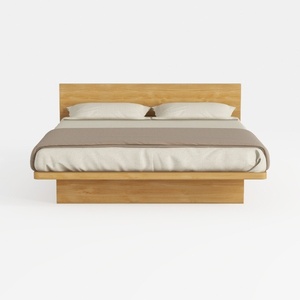
Vibe Gel Memory Foam Mattress, 12-Inch CertiPUR-US
Homestyler is your go-to online home design platform. With its user-friendly design tool, stunning 3D renderings, diverse design projects, and informative DIY video tutorials, it empowers you to create and visualize your perfect space effortlessly. Start your design journey today!
تصميم الآن مجانا
































