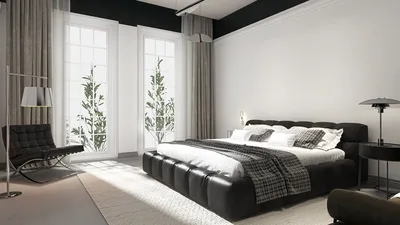


When I design hotel rooms, I aim to create an intuitive experience right from the moment a guest enters with their room key. Understanding dimensions is essential; a well-thought-out plan aligns not only the bed clearances and furniture scale but also ensures that the space feels neither cramped nor excessive. Beyond the basic measurements, I assess sightlines, acoustic controls, and natural light access—these seemingly small adjustments can transform a functional stay into a memorable one. Using tools like Homestyler for layout visualization enhances this design process.
Benchmarking plays a crucial role in my approach. In my latest hospitality designs, I've identified that a comfortable standard king room typically ranges from 270 to 320 square feet (25 to 30 square meters). Essential circulation paths around the bed need a minimum of 36 inches (915 mm), while areas where luggage and two guests may cross should have at least 48 inches (1220 mm). The WELL v2 standard highlights the importance of effective lighting; achieving ambient lighting levels of 200–300 lux paired with task lighting at 300–500 lux ensures guest comfort while reducing visual fatigue—all of which aligns with established lighting practices in hospitality and WELL’s illumination aims. Furthermore, I stay informed about ergonomic advancements; studies from Herman Miller confirm that adjustable seating height and optimal monitor positions reduce musculoskeletal strain, thereby boosting productivity for business travelers.
The interplay between noise control and room dimensions is significant. Research from Steelcase connects environmental management—particularly acoustics—to perceptions of wellbeing and job performance. By implementing a distance of 6 to 8 inches (150 to 200 mm) between the bed wall and corridor using layered construction, along with a 3 to 4-foot (0.9 to 1.2 m) entry zone, we effectively mitigate noise transfer, thereby improving sleep quality. These foundational quantitative guidelines inform subsequent design choices regarding proportions, storage spaces, and even bathroom configurations, ensuring they feel generous, even in tighter layouts.
Core Dimensions for Common Room Types
I determine room sizes based on the intended market and brand positioning, adjusting the ratios accordingly. For select-service king rooms, 270 to 300 square feet strikes a balance between comfort and inventory efficiency. Double queen rooms typically require 320 to 360 square feet to allow safe movement and adequate luggage circulation. Suites start at a minimum of 400 to 550 square feet, necessitating clear separations of at least 7 to 8 feet (2.1 to 2.4 m) from the sofa to the TV wall to avoid visual congestion.
Certain clearances I prioritize without compromise include a minimum of 36 inches (915 mm) around the sides of the bed; 18 to 24 inches (450 to 600 mm) from the bed's edge to any wall or curtains; 42 inches (1065 mm) in front of wardrobes to allow for door swings and standing room; and a minimum aisle width of 48 inches (1220 mm) when both the bed and desk or dresser are in use. Bathroom doors should maintain a clear width of 32 to 36 inches (815 to 915 mm) and a turning radius of 60 inches (1525 mm) to accommodate accessibility. These metrics streamline daily activities such as walking, dressing, and packing.
Entry, Circulation, and Luggage Logic
The entryway not only sets the ambiance but also establishes privacy. I design a vestibule of 3 to 4 feet (0.9 to 1.2 m) between the door and the first interior fixture to create a buffer against noise and visibility. Positioned luggage racks within a 36 to 42 inch (915 to 1065 mm) zone near wardrobes ensure they do not interfere with bed circulation. In tighter spaces, wall-mounted benches at heights of 14 to 18 inches (355 to 460 mm) and depths of 16 to 18 inches (405 to 460 mm) can be snugly fit into alcoves.
For efficient planning and to verify sightlines, utilizing layout simulation tools like Homestyler can rapidly assess the bed-wall spacing and path widths, especially when dealing with stacked rooms along a corridor or for optimizing plumbing alignment in bathrooms.
Bed Wall Proportions and Visual Balance
The scale of elements within the room helps convey a sense of luxury. A standard king mattress measures 76 by 80 inches (1930 by 2030 mm), with nightstands ideally ranging from 20 to 26 inches (510 to 660 mm) wide, ensuring a 3 to 4 inch (75 to 100 mm) clearance from the headboard edges for visual breathing room. Headboards should rise to a height of 48 to 56 inches (1220 to 1420 mm) to assert presence without overwhelming lower ceilings. The television wall must be positioned at a viewing distance of 7 to 10 feet (2.1 to 3.0 m) depending on the screen size—43 to 55 inches is common in select-service hotels—while ensuring the foot of the bed maintains a distance of 36 to 48 inches (915 to 1220 mm) from the wall to prevent congestion during movement.
Desk, Seating, and Ergonomics
Business travel necessitates a reliable workspace. I typically design desks to be 48 to 60 inches (1220 to 1525 mm) long and 24 inches (610 mm) deep, with a height of 30 inches (760 mm) and leaving 36 inches (915 mm) clearance behind the chair. Task chairs should offer lumbar support, height adjustability (16 to 21 inches / 405 to 535 mm), and swivel features to allow easy access to personal items without strain. Insights from Herman Miller highlight the importance of maintaining a neutral posture and aligning monitor height to eye level, which minimizes discomfort for users.
Bathrooms: Compact Without Compromise
Even smaller bathrooms can exude a premium feel with smart design ratios. For single vanities, a width of 30 to 36 inches (760 to 915 mm) and depth of 22 inches (560 mm), along with 36 inches (915 mm) clearance in front, is ideal. Showers should be at least 36 by 48 inches (915 by 1220 mm); a more generous 42 by 60 inches (1065 by 1525 mm) enhances guest comfort. Ensure the toilet's centerline is positioned 15 to 18 inches (380 to 460 mm) from side walls, with a minimum of 24 inches (610 mm) clearance in front. In tight spaces, I prefer sliding doors to maintain a 36 inch path and minimize swinging door conflicts.
Lighting Levels, Color, and Sleep Quality
Lighting, as a critical dimension, significantly impacts guest experiences. I aim for ambient lighting levels between 200 and 300 lux, complemented by a warm color temperature (2700 to 3000K) to create a soothing environment, while desk task lighting should fall between 300 and 500 lux for optimal comfort and visual clarity, in line with WELL v2 criteria. I incorporate a variety of indirect lighting sources to avoid glare, including bedside fixtures with low-level night modes to facilitate safe mobility at night. Attention to color psychology is essential, as warmer tones can encourage relaxation and cool neutrals, though efficient, may become sterile if overused. By combining warm wood finishes with understated textile choices, I aim to gently preserve circadian rhythms.
Acoustic Comfort and Adjacency Planning
My dimensional strategy also addresses sound insulation. Including a minimum of 4 to 6 inches (100 to 150 mm) of resilient material in party walls, utilizing staggered plumbing chases, and incorporating carpets or underlays with high IIC ratings throughout corridors help minimize structure-borne noise. I avoid placing headboards against walls shared with bathrooms and offset plumbing installations by 12 to 18 inches (305 to 460 mm) to further reduce sound transmission. Whenever feasible, I opt for broader corridor wall assemblies and leverage the entry vestibule to shield sleeping areas from external noise.
Storage, Wardrobe, and Mini-Bar Zones
Wardrobes designed with a width of 48 to 60 inches (1220 to 1525 mm) and depth of 24 inches (610 mm) provide ample space for hanging garments. I typically integrate drawers or open cubbies measuring 16 to 18 inches (405 to 460 mm) deep for quick access. Mini-bars and coffee stations are conveniently situated in niches 24 to 30 inches (610 to 760 mm) wide near the entry, minimizing the risk of food odors encroaching on the bed area while keeping the desk dedicated for work purposes.
Accessibility Dimensions
I ensure that accessible rooms have a size between 300 to 380 square feet, with 60-inch (1525 mm) clearance for turning circles in critical areas. The door openings must measure 36 inches (915 mm) while roll-in showers should be sized at 60 by 36 inches (1525 by 915 mm) along with a minimum of 48 inches (1220 mm) clearance on one side of the bed. Implementing toggle-handled fixtures and lever hardware reduces the grip effort required, and I set reachable ranges for controls positioned between 15 to 48 inches (380 to 1220 mm) above the floor.
Sustainability and Materials
The choice of materials significantly influences acoustic performance and light reflectance. I generally target Light Reflectance Values (LRVs) between 50 and 70 for primary surfaces to achieve a harmonious balance of brightness and warmth while ensuring that I select durable finishes backed by certifications. Material ConneXion’s database serves as a useful resource when evaluating high-wear laminates and textiles ideal for longevity in hospitality settings.
Layout Patterns That Work
Traditional linear arrangements position the entryway, bathroom, wardrobe, and then the sleeping area towards the window. I explore alternative L-shaped configurations in compact spaces to enhance privacy and allow for better daylight access. A fundamental guideline is to ensure that there is no direct view of the bed from the corridor. While developing plans or presenting designs to stakeholders, utilizing an interior layout planner can provide quick comparisons of circulation paths and furniture scales across various footprints.
Dimension Checklist
- King room: 270–320 sq ft; double queen: 320–360 sq ft; junior suite: 400–550 sq ft.
- Minimum circulation paths: 36 in; 48 in where two guests frequently cross.
- Bedside clearance: 36 in; clearance at the foot of the bed: 36–48 in.
- Desk dimensions: 48–60×24 in; 36 in clearance behind the chair.
- Wardrobe size: 48–60×24 in with 42 in front clearance.
- Bathroom pathways: 36 in; shower minimum size: 36×48 in; turning radius in accessible rooms: 60 in.
- Lighting preferences: ambient at 200–300 lux; task lighting at 300–500 lux; warm light with a temperature of 2700–3000K for restful environments.
FAQ
For select-service hotels, a comfortable room size generally ranges from 270 to 300 square feet, allowing for circulation of 36 to 48 inches around the bed, a functional desk space, and enough storage without feeling cramped.
I recommend planning for a clearance of 36 inches on each side and 36 to 48 inches at the foot of the bed to prevent collisions with luggage or furniture and to ensure compliance with safety egress guidelines.
Aim for ambient lighting levels of 200–300 lux coupled with a warm color temperature range of 2700–3000K, plus 300–500 lux task lighting available at the desk. This aligns with WELL v2 wellness standards.
A desk should measure 48–60 inches in length, 24 inches in depth, and 30 inches in height, with 36 inches behind the chair for comfort. Adjustable seating helps ensure a neutral posture, reflecting best practices in ergonomics research.
While a shower size of 36 by 48 inches is functional, opting for 42 by 60 inches offers more comfort and minimizes elbow collisions during use.
Create a buffer from the corridor by positioning the bed with a vestibule, avoiding headboards that share a wall with plumbing, and reinforcing party walls with resilient materials to enhance sound isolation.
Accessibility requirements include a 36-inch clear width for doors, a 60-inch turning circle for maneuverability, a minimum of 48 inches of bed-side clearance on one side, and roll-in showers of 60 by 36 inches with easily reachable controls.
Position luggage racks close to wardrobes within a 36 to 42 inch deep area, while placing mini-bars in entry niches to prevent food odors from encircling the bed and to keep the desk available for work tasks.
Maintain a viewing distance of 7 to 10 feet based on the screen size (43–55 inches commonly used), which helps prevent eye strain while ensuring aesthetically pleasing sightlines throughout the room.
Employ warm neutrals and wood tones with moderate reflectance values (LRV 50–70) to foster a calming atmosphere; research from verywellmind.com affirms that warmer hues promote relaxation and comfort.
Originally incubated at Autodesk, Homestyler has grown into one of the most widely adopted home design platforms in the world, now trusted by over 18 million users. Whether you're a homeowner exploring ideas or a professional designer delivering client-ready renders, Homestyler brings industry-leading 3D technology to your fingertips — no experience required.

Minimalist Solid Oak Nightstand with Geometric Circular Fronts 3D Model
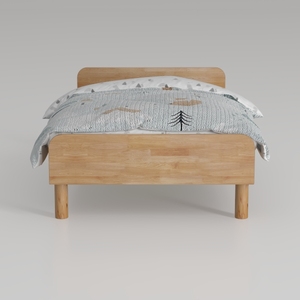
Minimalist Solid Oak Wood Kids Bed with Soft Bedding 3D Model

Japandi Solid Wood Rattan King Size Bed 3D Model
Homestyler is your go-to online home design platform, combining ease of use with powerful features. Create stunning interiors using its intuitive design tool, explore endless 3D renderings, and learn through engaging DIY video tutorials. Transform your home design dreams into reality effortlessly!
Design Now for FREE
































