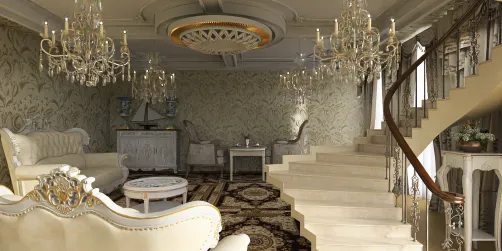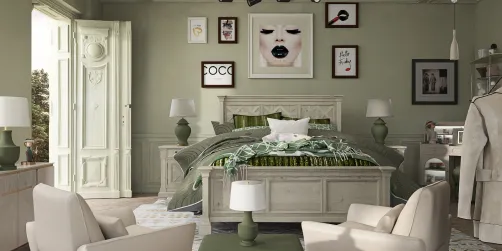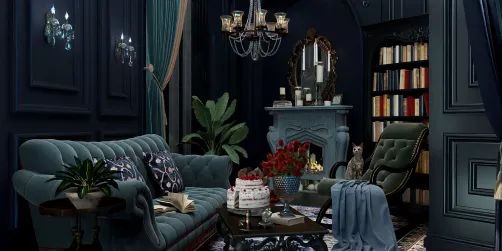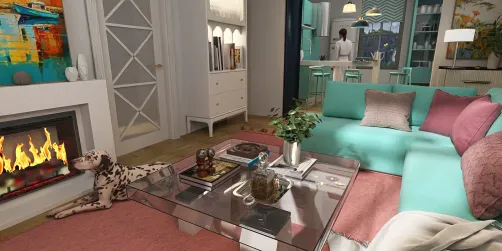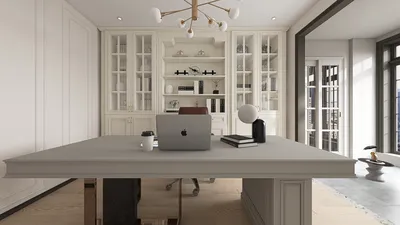



For the last ten years, I have been crafting living rooms that do more than showcase luxurious marble walls; they also elegantly manipulate light, create spatial harmony, and cultivate a tranquil atmosphere perfect for daily living. An effectively positioned marble surface can serve as the focal point of a seating area, enhance sound quality when complemented by softer materials, and reflect just the right amount of light to brighten a room while avoiding any harsh glare. Utilizing tools like Homestyler can also help visualize these concepts in 3D for better outcomes.
The keys to successful design begin with two fundamental choices: surface reflectance and comfort for occupants. The WELL v2 Light concept supports limits on glare and creates balanced contrast; thus, I aim for a vertical luminance ratio close to 1:3 between feature marble walls and surrounding surfaces to combat visual exhaustion. Recommendations from IES indicate that the appropriate ambient light for residential settings rests between 100–300 lux, with additional task lighting added as necessary. Using a honed finish on marble can assist in scattering rather than amplifying sharp beams at these levels. Behavioral research on color psychology reveals that cooler whites tend to enhance the sense of space, whereas warm neutral tones promote calmness. This aligns with the strategy I employ when picking marble undertones to influence moods.
Understanding the design purpose is even more crucial than simply choosing the right stone. I consider the marble wall as part of a cohesive flow: from the TV's placement, the way natural light filters in, to the effect of evening lighting on the space. For intricate living areas, I often utilize an interior layout planner such as Homestyler to create mock-ups, evaluating different furniture arrangements and circulation patterns before committing to purchasing any marble slabs.
Setting the Style: The Story of Veining and Visual Harmony
Veining tells a story. Striking bookmatched Calacatta marble can act as a stunning centerpiece, while softer options like Carrara or Dolomite can create a calming ambiance that supports layered art displays. My approach is to partition the visual elements into thirds: one-third for the statement, one-third for supportive features, and one-third for quieter elements. When the marble exhibits bold movement, it is beneficial to maintain adjacent finishes as matte and tactile—such as bouclé, wool, or limewash—to avoid overwhelming the senses. In contrast, with subtler veining, one might create depth through shadow reveals, picture lights, or elegant ledges in matching stone for showcasing cherished items.
The Finish is Key: Honed, Leathered or Polished
A honed finish embodies modern aesthetics while minimizing glare under warm evening lights ranging from 2700–3000K. Leathered marble introduces textures that diffuse reflections and enhance the grip on integrated shelves. Polished marble speaks to heritage elegance but can reflect surroundings too prominently; I reserve such finishes for accent areas bordered by matte paint or natural wood. When mixing finishes, I ensure that polished sections remain below eye level to avoid excessive reflections at typical sitting heights.
Scale and Proportion: Sensible Slab Geometry
Rhythm is essential in living room design. Full-height slabs measuring 8–10 feet create an architectural presence, while half-height marble wainscoting topped with paint or microcement provides an airy feel. My design follows a 60:40 split: 60% marble field, and 40% relief from elements such as niches, wooden bands, or acoustic panels. Vertical jointing uplifts a lower ceiling space, while horizontal bands can broaden narrow rooms. If the TV needs integration, I position it centered within a calm marble area, balancing any unevenness with shelving on one side to maintain a lived-in, inviting look.
Lighting the Marble: Layered and Subtle
Marble influences both mood and lighting. I use concealed linear grazers with low-glare optics to accentuate texture on leathered finishes and depend on wall washers for honed surfaces. Warm-white lighting at 2700–3000K during the evening softens brighter whites and enriches gray tones, while 3500K can be effective in rooms with abundant daylight where crisper whites are desired. Following IES guidelines for residential settings, I keep ambient lighting within 100–300 lux and incorporate dimmable accent layers; uplighting options such as coves or picture lights add depth without diminishing the beauty of the marble veining.
Acoustics and Comfort: Melding Marble and Soft Textiles
A marble wall can echo within a room filled with hard surfaces. To create balance, I introduce fabric-covered acoustic panels hidden within shelving, plush rugs (at least 10–12 mm thick), and soft furnishings. Installing drapery opposite the marble can dampen initial reflections, fostering cozy conversation zones and preventing a clinical feel.
Color Psychology: Warmth, Calm, and Pairing Contrasts
The undertone of marble should be in sync with the emotional environment intended for the room. Stones with warm veining (gold, taupe) evoke a snug lounge atmosphere, while blue-gray marbles present a cooler, minimalist vibe. Insights on color associations demonstrate that softer, warm tones can evoke a relaxing environment, particularly during evening relaxation routines. Combining cooler marbles with warm metals like antique brass or walnut can prevent a sterile appearance, while warm marbles contrast beautifully with gunmetal or blackened steel for added depth.
Fireplace and Media Incorporation
Regarding fireplace design, I respect thermal clearances by positioning expansive, uninterrupted stone surfaces away from heat zones, utilizing a matching stone apron, and maintaining a subtle reveal. For media, I recess the television by 10–20 mm and create a shadow gap to highlight the slab as the main feature. Soundbars can be incorporated seamlessly within a marble and wood niche, featuring perforated fronts or fabric inlays that complement the stone's natural patterns.
Storage Solutions, Niches, and Ledges
Floating stone shelves impart an ethereal quality but necessitate steel brackets securely anchored into studs or masonry; I keep spans modest to eliminate deflection. Shallow niches (60–90 mm) lined with marble or smoked oak introduce rhythm without consuming floor space. For art displays, integrating low-voltage picture lights with baffles helps prevent light from hitting the TV while illuminating the artwork.
Sustainability and Maintenance
While natural marble offers durability, it requires attentive care. I recommend low-VOC sealers and advise clients to act promptly when spills occur, particularly with citrus and wine. For designs prioritizing sustainability, I explore remnant stone slabs for ledges and niches and suggest porcelain-look alternatives for areas with heavy foot traffic, while maintaining natural marble at the feature wall. Dry-fitting layouts can minimize waste by aligning veining across cuts before fabrication.
Design Trends for 2024-2025
Current design trends lean towards a subtler form of luxury, featuring warmer whites, tobacco-veined marbles, and textured leathered finishes. Integrated linear lighting, ultra-slim stone reveals, and mixed-material walls—combining stone with rift oak or fluted plaster—are shaping the modern living room. There is also a shift towards more compact stone insert panels rather than expansive slabs, particularly in smaller apartments, allowing for elegance without compromising on scale.
Planning the Layout: Visualization Before Execution
Given that marble can be unforgiving, I recommend modeling furniture, lighting, and TV arrangements early on. Tools like Homestyler are invaluable for experimenting with the distances between seating or the depths of niches, assisting in visualizing reflections and flow. It's essential to assess light angles at various times of the day to ensure the marble's veining is beautifully showcased without resulting in glare in favored seating areas.
Cost Management and Smart Fabrication
Bookmatching can double your needs for slabs; consider end-matching or creating a single striking center panel to manage expenses effectively. Collaborating with your fabricator to produce a vein map while mocking up key joints at full scale is also wise. Edge decisions—like eased, 3 mm arris, or micro-mitered wraps—can enhance the perceived solidity of a thin slab. Always assess substrate flatness before installation since marble can reveal imperfections beneath.
- Honed Arabescato paired with walnut shelves and 2700K grazers for a warm modern classic vibe.
- Leathered Pietra Grey combined with blackened steel niches and a boucle sofa for a tactile minimalist approach.
- Calacatta Oro bookmatched with a plaster perimeter and antique brass fixtures for an air of quiet glamour.
- Dolomite field complemented by oak slats and a fabric-wrapped panel for balanced acoustics.
Helpful Tips for Daily Living
- Place the primary stone field where the eyes naturally rest—behind seating or framing the fireplace—to reduce reflections on the TV.
- Install dimmers throughout; combine warm accent lighting at night with cooler daytime layers for adaptability.
- Aim for a 1:3 contrast ratio between the feature wall and surrounding surfaces to enhance visual comfort, resonating with WELL’s focus on balanced luminance.
- Care for your marble once or twice a year; always perform spot tests with cleaners and steer clear of acidic compounds.
Frequently Asked Questions
Q1: What marble finish best suits a living room used at all times? A1: The honed finish hits the ideal balance, softening glare during bright hours while appearing warm under 2700–3000K evening light. Leathered marble offers texture and hides fingerprints; polished finishes may work well within smaller accent areas, steering clear of reflections on screens.
Q2: How can I prevent glare from a TV mounted on a marble wall? A2: Opt for honed or leathered finishes, recess the TV by 10–20 mm with a shadow gap, and target 100–300 lux ambient light levels in line with IES recommendations, using well-placed accent lighting.
Q3: What color temperature is ideal for highlighting white or gray marble? A3: Lighting at 2700–3000K warms grays and whites during the evening; 3500K is preferable if the room is filled with daylight and crisper whites are desired. Ensure all accent lighting is dimmable for mood adjustments.
Q4: How do I determine the intensity of veining for a small living space? A4: Choose softer veining to prevent visual clutter, then create depth through shadow reveals, framed pieces, or a single bookmatched panel as a focal point. Maintain matte and tactile materials nearby to balance the marble's visual impact.
Q5: Can marble fulfill acoustic needs in a cozy living room? A5: Absolutely, provided it is combined with softer, absorbent elements: thick rugs, upholstered furnishings, drapes opposite the marble, and fabric-wrapped acoustic panels integrated into the shelving scheme. This combination balances the brightness of marble with warmth.
Q6: What are budget-friendly strategies to achieve a bookmatched look? A6: Implement one dramatic bookmatched center panel surrounded by calmer materials or paint, or consider end-matching to use fewer slabs. Coordinate a vein map with your fabricator to focus on the most visible sections.
Q7: How can I maintain marble easily? A7: Use low-VOC sealers regularly, blot spills without delay, avoid acidic cleaners, and apply felt pads behind décor items. Always test any cleaning agent on a less visible area and schedule annual inspections if shelves or niches are involved.
Q8: Are warm-toned marbles becoming outdated? A8: Not at all. The trends for 2024–2025 feature a shift towards warmer whites and rich tobacco or gold veining, particularly with complementary elements like walnut, antique brass, and soft plaster to maintain timeless allure.
Q9: How can I safely incorporate a fireplace into a marble feature wall? A9: Position extensive uninterrupted marble areas away from high-heat zones, ensure adherence to clearances provided by the fireplace manufacturer, and include introduces to manage expansion effectively. A matching stone apron along with a honed finish helps reduce soot visibility.
Q10: What spatial ratios prevent the wall from overwhelming the room? A10: Maintain roughly a 60:40 ratio of stone to relief features like niches, timber bands, or soft panels. Utilize vertical joints to draw low ceilings upwards and horizontal fixtures to widen confined spaces for a balanced and soothing ambiance.
Q11: Which metals pair well with specific marble undertones? A11: Warm veined marbles (with gold, taupe) work beautifully with antique brass or bronze; cool-toned marbles (blue-gray) have a vibrant presence with gunmetal or blackened steel. These contrasts add depth without creating visual discord.
Q12: Is it necessary to extend marble wall-to-wall in a compact apartment? A12: It's not essential. Framing a stone panel or two beside the media area evokes luxury without overwhelming the space. Balance the design with painted or timber elements to maintain an airy, comfortable atmosphere.
What began as an Autodesk innovation has evolved into a design platform used by more than 20+ million registered users (platform data, 2026) around the globe. Homestyler combines powerful rendering, an intuitive editor, and a vast furniture library to help you turn inspiration into photorealistic designs — whether you're redesigning a single room or planning an entire home.


Chesterfield Tufted Brown Leather Loveseat Sofa 3D Model
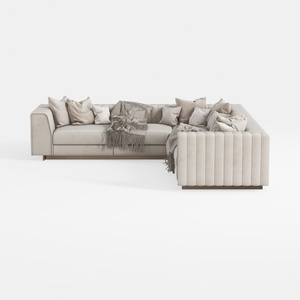
Modern Minimalist Beige Velvet L Shaped Sectional Sofa with Throw Pillows 3D Model

Modern Minimalist Brown Leather L-Shaped Sectional Sofa 3D Model
Discover your creative potential with Homestyler! This online home design platform offers an intuitive design tool, stunning 3D renderings, a rich collection of design projects, and DIY video tutorials. Bring your vision to life effortlessly, regardless of your experience level!
Design Now for FREE