

I create banquet halls that transcend mere functionality; they should orchestrate movement, enhance emotions, and provide comfort no matter the scale of the event. An exceptional hall should intuitively understand the flow—from guest arrival to seating, interactions, dining, celebrations, and eventual departure. It’s the subtle interplay of architecture, lighting, and acoustics that shapes this experience. With tools like Homestyler, I can visualize these elements seamlessly.
First and foremost, consider scale and proportion. For seated banquets, a practical guideline is to allocate 10–12 square feet per guest, accommodating dining alongside service pathways. For cocktail events, aim for 8–10 square feet per person. Ergonomically speaking, a chair-to-chair spacing of 24–30 inches is optimal, with 60–72 inches separating table perimeters to ensure a smooth service flow. Recommendations from WELL v2 suggest maintaining sound levels conducive to speech clarity and social engagement; their acoustic guidelines focus on reverberation times suitable for the volume of the venue, aiming to minimize fatigue. According to the Illuminating Engineering Society (IES), lighting should achieve approximately 150–300 lux for dining environments and 300–500 lux for buffet or service areas to enhance visual comfort while avoiding glare.
Guest satisfaction relies heavily on comfort and clarity. Research from Steelcase regarding work environments reveals that finely-tuned acoustic conditions and versatile settings greatly enhance perceived quality and engagement, principles that are equally applicable to event spaces. Clear sightlines and intuitive circulation can alleviate stress and enhance enjoyment. Insights from Verywell Mind on color psychology indicate that warm hues—such as terracotta and champagne—create inviting and lively atmospheres, whereas cooler shades (like soft sage and muted blue) evoke tranquility. This is especially important in pacing events from cocktail hour through to dinner and speeches. By referencing WELL v2 for both acoustic and lighting standards, along with IES recommendations for illuminance, I ensure the designs deliver a seamless experience. For additional guidance on indoor environments, check the WELL Building Standard (v2).
Entrance, Arrival Flow, and Wayfinding
The moment guests arrive sets the tone for their experience. A spacious vestibule equipped with clear sightlines towards registration and cloakroom areas helps to eliminate bottlenecks. To assist in guiding attendees, I recommend layering ambient lighting at 200–300 lux with accent lighting that directs them towards key stations. High-contrast signage placed at eye level, along with floor graphics, will intuitively guide large groups. Maintain primary aisles at widths of 6–8 feet to accommodate opposing movements, while secondary aisles of 4–6 feet facilitate lateral flow towards bars and restrooms. When multiple events coexist in a lobby, stagger focal points—such as floral displays or media walls—allowing guests to naturally distribute without clustering.
Room Proportions, Sightlines, and Seating Strategies
Rectangular halls with a ratio of length-to-width between 1:1.5 and 1:2 provide an effective balance between stage visibility and service pathways. It’s essential to maintain an elevation difference of 12–18 inches between the stage and the first row for clear sightlines, keeping table edges at least 15–20 feet from the stage to prevent glare and sound pressure issues. Round tables encourage social interaction, while banquet-style rectangles facilitate family-style service. For mixed-use events, a hybrid seating arrangement—rounds near the stage for an engaging atmosphere and rectangles around the perimeter for VIP treatment—strikes a balance between comfort and interaction.
When organizing layouts or testing different guest scenarios and entertainment formats, utilizing a room layout tool like Homestyler allows me to quickly simulate traffic patterns, service nodes, and sightlines, ensuring the final design is both elegant and functional.
Lighting Layers for Atmosphere and Clarity
I develop the lighting scheme in layers: ambient, focal, and decorative. Ambient lighting should be around 150–300 lux for dining, enhanced by dimming options that ensure color temperature consistency (ideally 2700–3000K) for a warm atmosphere during meals. Focal lighting should highlight key areas such as centerpieces and buffets, utilizing beam spreads of 20–30 degrees to maintain visual hierarchy without creating harsh contrasts. Decorative elements like pendants and candelabras contribute rhythm and sparkle. To prevent glare, keep the Unified Glare Rating (UGR) low by shielding light sources, angling fixtures away from eye level, and reflecting light off ceilings or coves. Employ flicker-free dimming systems with a color rendering index (CRI) of 90+ to ensure flattering skin tones in photographs.
Acoustic Comfort: Speech Intelligibility Without Harshness
An effective banquet hall skillfully balances vibrancy with comfort. Aim for a reverberation time of 0.8–1.2 seconds in medium-sized spaces; this allows music to enhance the atmosphere while keeping speeches clear. A combination of absorptive materials (like fabric panels and upholstered seating) and diffusive elements (such as textured walls and sculptural ceilings) creates an optimal acoustic environment. Proper speaker placement ensures even sound coverage for the audience while avoiding hot spots near the stage. Additionally, carpet runners along main aisles mitigate foot noise, eliminating the need for full carpeting.
Color Psychology and Material Selection
The selection of colors should resonate with the intent of the event. Warm neutral tones paired with metallic highlights add glamour without causing glare; muted greens and blues promote a serene ambiance, ideal for formal gatherings. Textures inviting to touch—like linen, velvet, and brushed metal—communicate hospitality. Choose low-VOC finishes and FSC-certified woods to align with sustainable practices. Strive for a balanced sheen on surfaces: semi-matte finishes divert distracting highlights in photos, while high-gloss finishes should be reserved for emphasizing focal elements. Flexibility in color palettes allows florals, linens, and lighting to enhance the mood from gala to conference settings.
Bar, Buffet, and Service Choreography
A well-placed bar acts as a social centerpiece; positioning it directly across from the stage helps manage crowd distribution. Standardize counter height to 36–42 inches with an 18-inch knee clearance for bar seating. Buffets require 4–6 feet of space for guest circulation and 3–4 feet of staff access behind, accompanied by task lighting set at 300–500 lux to ensure vibrant food presentation. For events with over 300 guests, dual-sided service with mirrored routes is advisable and water stations should be located at the perimeter to minimize pressure on the bar. Position warming and holding areas just off the main floor with direct access to dishwashing facilities to streamline operations.
Staging, AV, and Projection Mapping
A stage depth of 8–12 feet accommodates live music performances or panel discussions, flanked by discreet line arrays to provide even sound coverage. The projector’s throw distances and screen sizes must be scaled appropriately to the room size, with provisions for local dimming of ambient light to maintain a pleasant atmosphere in seating areas. Employing projection mapping techniques can transform an otherwise neutral hall into a themed venue; however, pre-testing for surface reflectivity and color accuracy is crucial, alongside maintaining unrestricted egress paths.
Flexible Zoning for Multi-Program Events
Banquet events typically transition through various modes: reception, seated dining, speeches, and dancing. To manage this, I designate areas within the venue using lighting and furniture arrangements—softer light pools for mingling, tighter seating for dinner, and brighter spotlighting during speeches. Mobile partitions or sheer drapery can effectively reframe settings, while floor cable management and modular risers allow for swift changes, ideally within 15 minutes. In cases with sponsor involvement, placing activation points along secondary axes encourages exploration without overshadowing the main stage.
Human Factors: Circulation, Comfort, and Accessibility
It’s essential to create clear pathways to exits and restrooms, ensuring sightlines from any chair to at least one wayfinding indication. Maintain wheelchair turning radii of 60 inches and adhere to a 1:12 slope with handrails for ramps. Seat ergonomics are particularly critical during lengthy dinners: aim for supportive backrests at a 100–110° recline, a seat height around 18 inches, and adequate foam density to prevent bottoming out after prolonged use. Staff corridors should remain unobstructed at 36 inches wide; consider staging service points every 20–30 feet to reduce walking distances and improve workflow.
Sustainability and Operations
Utilizing LED systems that offer high efficacy and warm-dimming capabilities conserves energy while preserving the desired ambiance. Induction warmers and insulated chafers help decrease fuel consumption; implementing water-efficient dishwashing solutions safeguards resources without compromising cleanliness. Opting for durable, modular furniture minimizes long-term waste. When feasible, select materials with transparent sourcing and waste management options, while neutral backdrops reduce the need for frequent redesigns.
The Signature Moment
Every exceptional banquet hall features a signature reveal—a curtain drop, lighting cue, or a projection sequence synchronized with music. Design these impactful moments with blackout capabilities near the stage, pre-programmed lighting scenes, and an acoustic balance that elevates the experience without overwhelming conversation. It creates lasting memories that guests take home with them.
FAQ
Plan for 10–12 square feet per guest, which accounts for tables, chairs, and service aisles. If elaborate centerpieces or extensive AV equipment are expected, adjust the space slightly.
Aim for 150–300 lux for ambient dining light and 300–500 lux for buffet or plating stations, adhering to IES recommendations for visual comfort.
Integrate absorptive and diffusive elements to maintain a reverberation time around 0.8–1.2 seconds. Utilize distributed speakers at moderate levels while avoiding hard parallel surfaces that may create a flutter echo.
Neutral warm colors (such as champagne, sand, or taupe) paired with metallic accents are versatile. Additionally, cooler tones (like sage or slate) can be introduced through lighting or linens to adjust the atmosphere for each event.
Round tables promote social interaction and ensure equal sightlines; rectangular tables simplify service and suit longer, more formal layouts. Many venues opt for a hybrid approach based on the event’s requirements.
To facilitate bi-directional traffic, keep main aisles at widths of 6–8 feet, while ensuring secondary aisles maintain widths of 4–6 feet leading to bars, buffets, and restrooms.
Use a color temperature of 2700–3000K to create warmth and enhance skin tones in photos. Ensure consistent color temperature during dimming to prevent shifts that could affect visuals.
Indeed. Ensure that surfaces offer suitable reflectance, regulate ambient light in projection areas, and conduct pre-tests for color accuracy to match brand or event themes.
Ensure turning radii of 60 inches and maintain unobstructed 36-inch aisles. Incorporate accessible tables positioned near sightlines to ensure all guests are included in the experience.
Implement high-efficacy LED lighting, utilize low-VOC finishes, modular furniture, and efficient dishwashing systems to minimize both energy usage and material waste while maintaining a vibrant ambiance.
What began as an Autodesk innovation has evolved into a design platform used by more than 18 million people around the globe. Homestyler combines powerful rendering, an intuitive editor, and a vast furniture library to help you turn inspiration into photorealistic designs — whether you're redesigning a single room or planning an entire home.
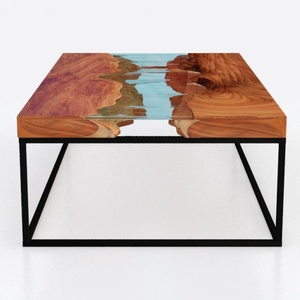
Modern Solid Wood Epoxy Resin Square Coffee Table 3D Model


Minimalist Boucle Fabric Solid Wood Base Sofa 3D Model
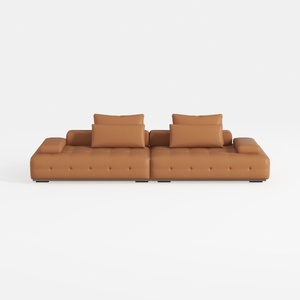
Modern Tufted Leather Oversized Sectional Sofa 3D Model
Homestyler is your go-to online home design platform! With its user-friendly design tool, stunning 3D renderings, and a wealth of inspirational design projects and DIY video tutorials, transforming your space has never been easier. Unleash your creativity and start designing today!
Desain sekarang Gratis
































