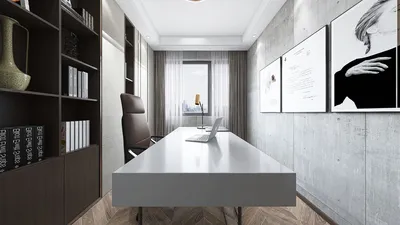


Producing VR videos from 3D models serves as an exciting way to present your designs while immersing viewers in a captivating virtual environment. Regardless of your experience level in design, grasping the involved processes can lead you to success. This article will navigate you through the vital steps necessary to create VR videos utilizing your 3D models.
Grasping the Fundamentals of VR Video
Before jumping in, it’s crucial to comprehend what VR video is all about. Virtual reality, often referred to as VR, plunges users into a 360-degree atmosphere, permitting them to roam around scenes as if they are genuinely present. This experience is facilitated through VR headsets or by navigating through screens on compatible devices. The cornerstone is crafting engaging 3D models that fit seamlessly into this immersive medium.
What constitutes an effective VR video? It must be captivating and allow smooth navigation through the space, granting viewers the choice to explore freely without the risk of disorientation. Compatibility with popular VR systems (such as Oculus, HTC Vive, or PlayStation VR) is equally essential.
Procedure to Create VR Videos from 3D Models
Here’s a sequential guide to producing your VR videos:
The inaugural step is to design your 3D models. Utilize software such as Blender, Maya, or 3ds Max, which come equipped with the necessary tools to produce detailed models. Emphasize high-quality textures and materials; these elements significantly uplift the realism of your VR video.
After preparing your 3D models, proceed to optimize them for VR rendering. This optimization includes lowering polygon counts, refining textures, and ensuring the models are appropriate for real-time rendering. Lightness is key, as VR applications demand models that maintain performance without compromising quality.
Selecting the ideal software for creating VR videos from your 3D models is critical. Applications like Unity or Unreal Engine enable you to import models, configure scenes, and add interactivity. They offer extensive options for lighting and environmental settings, enhancing your production.
Following the scene setup, the next step is to export your video. Be mindful of the resolution; higher resolutions provide clearer imagery but may necessitate more robust hardware for rendering. Ensure the format aligns with your intended VR device.
Prior to sharing your VR video, undertake thorough testing. Experiment with various VR headsets to confirm compatibility and collect feedback. Make necessary modifications to refine the user experience.
In Conclusion
Creating VR videos from 3D models is a fulfilling endeavor that can significantly elevate your design portfolio or project presentations. By implementing strategic planning and execution, you can develop immersive videos that enchant and engage your audience.
Frequently Asked Questions
Q: Which software is suitable for transforming 3D models into VR videos? A: Leading software options include Unity, Unreal Engine, and Blender, which facilitate the creation of VR videos.
Q: How critical is model optimization for VR? A: It is of utmost importance! Optimized models guarantee smooth operation and an immersive experience without lag, making tools like Homestyler invaluable for maintaining efficiency.


Discover Homestyler, your ultimate online home design companion! With its user-friendly design tool, stunning 3D renderings, and a wealth of DIY video tutorials, you can effortlessly create and visualize your perfect space. Let your creativity flow and transform your home today!
Zaprojektuj teraz za darmo
































