


Designing a 3D representation of an animal cell offers an engaging and interactive way to explore biological concepts, perfect for students working on science assignments or educators looking to provide hands-on learning experiences. An effective animal cell model typically features essential organelles, including the nucleus, mitochondria, endoplasmic reticulum, Golgi apparatus, lysosomes, and ribosomes. Start by selecting appropriate materials for your project—modeling clay, cardboard, styrofoam, or even recycled items can be excellent choices. Create a larger oval or spherical base to symbolize the cell membrane, and then craft smaller shapes to embody each organelle, using distinct colors to enhance clarity—consider blue for the nucleus and red for mitochondria. As you model, I recommend focusing on the spatial layout and dimensionality of the organelles. Carefully arrange them to ensure both accuracy and aesthetic appeal. If you’re inclined towards digital design methods, employing a tool like Homestyler can significantly aid in visualizing and proportioning the organelles within your cell model. Utilizing such a platform not only simplifies the design process but also facilitates more exact and engaging representations of intricate biological structures. For anyone interested in creating digital simulations of their animal cell, advanced options like Homestyler enable the development of interactive models that enhance the learning experience.
Tips 1:
To achieve maximum visual impact, it is crucial to focus on the proportions and arrangement of each organelle. Use reference pictures, label your model clearly, and contemplate adding layers or movable sections to demonstrate the interactions between different cell components.
FAQ
Q: Which organelles are essential for an accurate animal cell model?
A: Key organelles include the nucleus, mitochondria, endoplasmic reticulum, Golgi apparatus, lysosomes, and ribosomes, which are vital for a complete representation.
Q: Are there digital tools available for creating a 3D model of an animal cell?
A: Definitely! Tools like Homestyler are excellent for designing, scaling, and visualizing complex biological structures in a virtual setting.
Q: What materials work best for physical models?
A: While modeling clay is a popular choice, other materials like cardboard, styrofoam, and recyclable items are also fantastic for practical projects.
Q: How should the organelles be positioned in the cell model?
A: Organelles should reflect their actual spatial arrangements, with the nucleus centrally located, scattered mitochondria, and neighboring endoplasmic reticulum and Golgi apparatus.
Q: Are these models suitable for presentations?
A: Certainly! Both physical and digital 3D animal cell models serve as excellent tools for science fairs or educational presentations, and interactive designs can significantly enhance engagement.
Originally incubated at Autodesk, Homestyler has grown into one of the most widely adopted home design platforms in the world, now trusted by over 18 million users. Whether you're a homeowner exploring ideas or a professional designer delivering client-ready renders, Homestyler brings industry-leading 3D technology to your fingertips — no experience required.


Modern Solid Wood Metal Frame Office Desk With Cable Management 3D Model
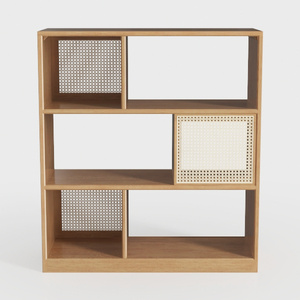
Minimalist Japandi Solid Wood Rattan Bookshelf 3D Model
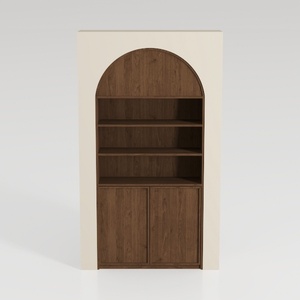
Minimalist Walnut Arched Open Shelf Cabinet 3D Model
Homestyler is your go-to online home design platform, perfect for transforming your ideas into reality. With its user-friendly design tool, stunning 3D renderings, diverse design projects, and helpful video tutorials, creating your dream space has never been easier or more enjoyable!
Progetta ora GRATIS
































