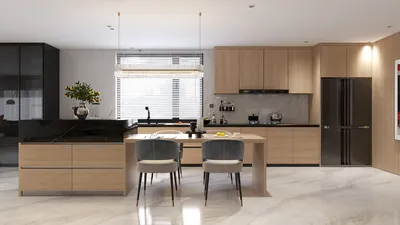


I have designed and constructed various concealed entrances for clients, ranging from classic bookcase pivots to flush wall panels that seamlessly integrate into the millwork. An effective secret door harmonizes structural integrity, safety, and discreet visual elements, creating an effortless and secure feature.
Concept Planning and Dimension Verification
Before working with any materials such as wood or hinges, clarify the intended function: will it be for storage, a safe room, playful passage, or acoustic privacy? Start with size—an ideal clear opening typically measures between 30 to 36 inches, and I aim for 34 inches when feasible to minimize shoulder strain. Following the NKBA residential standards, doorway widths generally start at 32 inches to cater to accessibility needs, ensuring smooth passage and furniture mobility. If the hidden entrance serves as an additional egress, please verify local code specifications for minimum clear widths and swing directions.
The structure is crucial. A loaded bookcase door can weigh between 150 to 250 lbs when accounting for the solid wood, books, and concealed hardware. From a human factors perspective, ensuring proper hand clearance and grip is essential. A touchable edge of 1.25 to 1.5 inches, or a subtle pull, enhances usability without drawing attention to the door. To effectively plan the overall layout and swing clearances, I often visualize the design using a layout simulation tool, such as Homestyler, which helps assess swing arcs and adjacent furniture spacing.
Selecting the Ideal Mechanism: Pivot, Swing, or Sliding
Each mechanism presents its own advantages and disadvantages in terms of load capacity, concealment, and upkeep. A traditional side-hinged swing door is straightforward to build and maintain, yet concealing the reveal lines can be more challenging. A floor-to-ceiling pivot adds dramatic flair and supports higher weight loads, making it ideal for bookcases or panelled doors. Alternatively, sliding wall panels can hide tracks behind soffits or baseboards but necessitate a more expansive pocket.
For ergonomics aimed at users, it’s important to consider reach distances and exertion. According to WELL v2 recommendations for ergonomic design, one should minimize strain by ensuring handle heights are appropriate and not requiring excessive force; I position pulls between 34 and 42 inches from the finished floor for seamless operation within a manageable force range. When dealing with heavier loads, opt for concealed pivot systems with bearings that can support 25% more than the estimated door weight.
Achieving Concealment Through Consistency: Millwork, Texture, and Lines
Effective concealment hinges on visual rhythm and balance. Consistently extend baseboards, crown moulding, and panel reveals across the door to ensure that lines do not indicate a gap. Align stiles and rails with surrounding millwork while maintaining uniform shadow lines of 3 to 4 mm. In bookcase designs, continue shelf spacing and face-frame profiles along the hinge side to prevent visual breaking points. Color psychology also plays an important role: employing low-contrast colour schemes and matte finishes minimizes highlighted edges, while deeper tones can help the door virtually blend into the wall surface.
Choosing the right materials impacts both acoustic comfort and durability. For the door leaf, solid core or laminated plywood helps manage sound. A 1.75-inch core fitted with perimeter seals significantly reduces sound transmission compared to hollow-core options. To prioritize sustainability, select FSC-certified timber and low-VOC finishes to enhance indoor air quality.
Structure and Framing: Hidden Fortitude
Create a robust jamb and header that accommodate your chosen mechanism. For heavier pivot systems, use double-stud jambs (or LVL) secured with threaded inserts or steel plates at the top and bottom. Maintain precise tolerances: standard reveals around the door edge are generally 1/8 inch; however, for concealed doors, I prefer 2 to 3 mm to minimize sight lines, provided the framing is accurate and the climate is stable.
When installing a bookcase door, install a steel angle or concealed tube frame behind the face frame to prevent racking. Shelf loads can accumulate quickly—average hardcover books weigh between 1 to 2 lbs each, and a 30-inch shelf can support 40 to 60 lbs. Reinforce shelves with hardwood edging or concealed steel flat bars to mitigate deflection.
Hinges and Hardware: Specify for Weight and Durability
Concealed SOSS-style hinges maintain clean lines, yet they come with specific load limitations and necessitate precise mortises. For doors that exceed 120 lbs, pivot hardware equipped with both floor and head bearings provides more reliability. It's essential to have a secure latch that does not compromise accessibility; magnetic touch latches or concealed mechanical latches behind a discreet trim are effective solutions. If the secret door is meant for a safe room, include a secondary deadbolt on the interior side. When possible, incorporate soft-close mechanisms to protect finishes and fingers from damage.
Seams, Gaps, and Edge Management
Since the eye naturally searches for edges, it's crucial to minimize reveals by slightly carrying paint or veneer around the edge. Flexible perimeter seals can dampen sound and disguise micro-gaps while preserving swing clearance. At the bottom, a minimal threshold or recessed brush seal prevents light leakage. If total darkness is needed in the adjoining room, a compression seal on the strike side may be necessary.
Lighting and Acoustic Considerations
Any light spill can disrupt concealment. Control the lighting in the hidden room with an interior wall switch or a sensor that activates only upon full entry. For security, avoid any glowing indicators near the door leaf. Acoustically, a heavy solid core equipped with gasketed edges can greatly enhance sound isolation and privacy. Soft furnishings inside the hidden room, such as rugs, upholstered panels, or cork, also contribute to reducing echoes and creating a tranquil environment.
Handles, Catches, and Actuation
Discreet functionality is a careful balance between usability and invisibility. Options for operation include a routed finger pull on the underside of the door, a push-to-open magnet on the far edge, or a hidden pull integrated into a moulding profile. If a book is used as a trigger, a micro-switch can be routed behind a hinged book spine connected to a low-voltage latch, ensuring the wiring is accessible from the hidden side for maintenance purposes.
Finish and Detailing: Achieve Invisibility
Ensure that sheen and texture match perfectly. Matte and eggshell finishes effectively conceal surface imperfections, while high-gloss finishes can accentuate any misalignment. Maintain a consistent grain direction across the panels. If your wall has a light texture, apply joint compound to the door face and seamlessly blend it into the surrounding areas before painting to achieve a cohesive appearance.
Safety, Egress, and Code Compliance
Even secret doors must prioritize safety. If the hidden space functions as a livable area, make sure ventilation and emergency egress comply with regulations—especially for basements. Avoid locking mechanisms that could potentially trap someone inside; instead, provide internal overrides. If the door will be used frequently by visitors, account for ADA clearances and approach spaces.
Step-by-Step Construction Guide
1. Measure and model: confirm clear openings, swing arcs, and nearby furniture arrangements. If you require quick visualizations, using a room design tool like Homestyler can rapidly test clearances and traffic flow.
2. Frame and strengthen: set up a straight, plumb jamb and header, adding blocking as needed for hinges or pivot plates.
3. Create the leaf: construct a solid-core or laminated panel tailored to your reveal or build a steel-reinforced frame for the bookcase.
4. Install hardware: mortise for concealed hinges or set up pivot plates; conduct operation tests using temporary fasteners before final trims are applied.
5. Align the millwork: extend baseboards, casings, or panel lines over the door, ensuring consistent shadow gaps.
6. Seal and sound-proof: add perimeter gaskets alongside a threshold or brush seal to manage light and sound.
7. Discreet actuation: incorporate a hidden pull, magnetic latch, or mechanical trigger, ensuring fail-safe operation from inside the hidden space.
8. Finish: perfectly match paint, sheen, and texture; adjust lighting to minimize edge visibility.
Costs, Time, and Maintenance
Anticipate costs that exceed standard door prices due to hardware and detailed millwork. A DIY hinged panel can be completed over a weekend with precise planning. On the other hand, a pivoting bookcase generally takes several days of fabrication and careful installation. Plan for annual maintenance checks: tighten hardware, refresh seals, and ensure smooth operation of the latch.
Avoiding Common Pitfalls
- Underestimating the weight and hinge load, resulting in sagging doors.
- Misaligned millwork that reveals seams to the eye.
- Light seeping through at the floor or hinge side, making the door obvious.
- Complicated triggers that may fail during regular usage.
- Overlooking ventilation and egress in the enclosed area.
Professional Tips from Experience
- Pre-finish components before assembling; it’s easier for touch-ups.
- Use a laser level to ensure correct alignment of reveals and trim lines.
- Include adjustable bumper stops to perfect the closed position.
- If your wall features panels, disguise the door within a symmetrical pattern to obscure its edges.
Frequently Asked Questions
Q1: What is the most reliable mechanism for a heavy secret bookcase?
A1: For loads exceeding 120 lbs, a pivot system with bearing plates is the most reliable option. This design distributes the weight vertically, alleviating hinge strain compared to concealed butt hinges.
Q2: How wide should a hidden door be for comfortable usage?
A2: Aim for a clear width of 32 to 36 inches. This is comfortable for most adults and accommodates common items. If accessibility is a priority, maintaining a minimum of 32 inches is advised.
Q3: How can I ensure the door remains inconspicuous?
A3: Preserve continuity in baseboards, panel lines, and paint sheen; reduce reveal gaps; and manage light spills with seals. Utilizing low-contrast colors and matte finishes helps avoid drawing attention to edges.
Q4: Can I achieve soundproofing with a secret door?
A4: You can enhance sound isolation using a solid-core leaf, perimeter compression seals, and softer finishes within the connecting area. True soundproofing involves specialized structures that may not be feasible in conventional residential walls.
Q5: What’s the simplest DIY trigger?
A5: A magnetic touch latch paired with a hidden finger pull is an efficient, robust choice that does not require wiring. This setup is more dependable compared to intricate book spine switches for daily operations.
Q6: How do I manage the weight of books on a bookcase door?
A6: Reinforce the structure using steel angles or tubing frames and select pivots rated above the total weight. Limit the shelf spans to minimize deflection and position heavier books closer to the hinge side.
Q7: Are there any code considerations regarding hidden rooms?
A7: If the hidden space is deemed habitable, it must adhere to local egress and ventilation guidelines. Ensure that interior overrides are in place to prevent lockouts.
Q8: What finish conceals seams effectively?
A8: Matte or eggshell finishes in medium to low-color saturation are best. Ensure a careful match in texture, and float joint compound over the door face to blend with the surrounding wall before painting.
Q9: What is the ideal height for handle placement?
A9: Position pulls between 34 to 42 inches from the floor to align with convenient reach ranges and minimize wrist strain.
Q10: How frequently should I service the hardware?
A10: Conduct annual inspections for pivots or hinges, tighten any loose fasteners, check seals, and ensure the latching mechanism engages correctly. Heavy bookcase doors benefit from semi-annual checks to maintain their functionality.
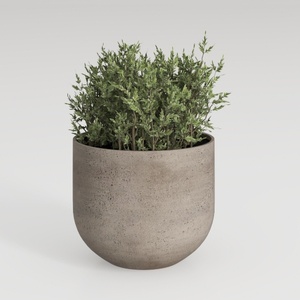
Minimalist Concrete Planter Pot with Indoor Greenery 3D Model
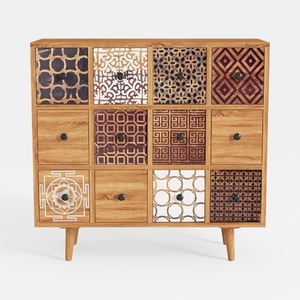
Bohemian Solid Wood Multidrawer Accent Cabinet With Patterned Fronts 3D Model

Minimalist Solid Wood Low Profile Console Table 3D Model
Homestyler is your go-to online home design platform, perfect for both beginners and pros. With an easy-to-use design tool, stunning 3D renderings, a wealth of design projects, and helpful DIY video tutorials, transforming your space has never been easier or more enjoyable!
Progetta ora GRATIS
































