

Developing 3D models in Altium Designer is a vital capability for electronics engineers who aspire to effectively visualize and assess PCB designs before moving to production. The cutting-edge 3D engine in Altium permits users to view, modify, and even import intricate mechanical models, ensuring components and enclosures fit accurately. Below is a comprehensive guide to assist you in creating 3D models using Altium.
For designers, the ability to visualize in 3D is comparable to a digital "dress rehearsal" that takes place prior to production. Accurate 3D modeling fosters improved teamwork between electrical and mechanical factions while enhancing the design of enclosures. As a designer myself, I make extensive use of precise visualizations and detailed floor plans to convey ideas compellingly to clients or stakeholders. If you are in the process of exploring interior layouts and require an intuitive 3D Floor Planner solution for your architectural or design projects, you'll find that similar standards of model fidelity and spatial accuracy are applicable, particularly with tools like Homestyler.
Tip 1:
Before bringing in third-party 3D models, it's crucial to examine them for any superfluous geometry. Opting for lightweight, low-poly models will enhance the efficiency of your Altium projects and minimize rendering delays.
FAQ
Q: Is it possible to edit imported STEP models within Altium?
A: No, once imported, STEP files remain static and cannot be altered directly in Altium. You'll need to make any necessary changes in a dedicated CAD software prior to the import process.
Q: Which 3D file formats are compatible with Altium?
A: Altium Designer accepts .STEP and .IGES formats for importing 3D models, though native mechanical editing features are somewhat restricted.
Q: How can I align an imported 3D model with a footprint?
A: You can adjust the alignment by utilizing the properties dialog of the 3D Body to modify position, rotation, and scaling until the model fits precisely with the footprint pads.
Q: What steps should I take to check for component collisions in 3D?
A: Shift to the 3D perspective for visual examination, or utilize Altium's clearance and collision detection features available in the PCB editor.
Q: What are the benefits of using 3D models in PCB design?
A: 3D models assist in confirming mechanical compatibility, enhancing assembly instructions, and fostering effective communication with mechanical engineers throughout the development phase.

Casabianca Furniture NEST High Gloss White Lacquer
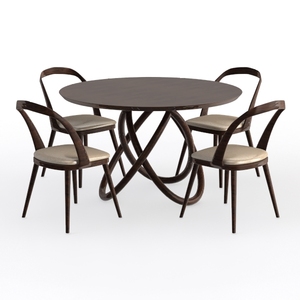
Ariane 5-Piece Sand and Dark Brown Wood Top Dining
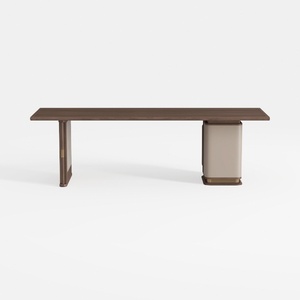

RJYYYDS Desk Game Table Home Office Desk Walnut De
Homestyler is your go-to online home design platform, perfect for all skill levels. Its user-friendly design tool enables you to create stunning interiors with ease. Explore an extensive collection of 3D renderings, inspiring design projects, and handy DIY video tutorials to bring your vision to life effortlessly.
Zaprojektuj teraz za darmo
































