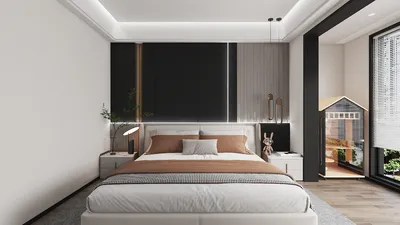


I've crafted compact sensory rooms in various environments, including apartments, classrooms, clinics, and corners dedicated to workplace wellness, where maximizing every inch is essential. The primary objective is clear: to minimize overstimulation while providing options for quietness, tactile experiences, movement, or concentration. Even a small 4' x 6' nook can achieve a significant transformation through thoughtful layering of light, texture, and sound. Incorporating tools like Homestyler can aid in visualizing these designs effectively.
Research consistently indicates that our environments significantly influence our wellbeing. Recommendations from WELL v2 advocate for circadian lighting techniques that align with alertness and rest cycles, while IES suggests maintaining task lighting around 300-500 lux for reading purposes and lower ambient levels for relaxation. The choice of color is equally critical; studies compiled by Verywell Mind have found that shades of blue and green evoke feelings of calm and stability, whereas vibrant reds can heighten arousal. This understanding serves as a foundation for making decisions in small settings.
Identify the Core Sensory Needs First
Before introducing any equipment, it's vital to outline the primary sensory objectives: whether it’s calming, focusing, regulating oneself, or providing gentle vestibular input. A compact sensory room cannot fulfill all these requirements simultaneously. Designate one wall as a 'calm plane' with soft lighting and textures, while another wall can facilitate tactile experiences. If you envision multiple micro-zones, tools like Homestyler can effectively draft simple room layouts to test spatial relationships and movement in limited areas.
Lighting: Layer, Control, and Dimming
Light serves as the quickest tool for regulation. I incorporate three layers: soft ambient light (dims to 100-200 lux for calming sessions), an adjustable task lamp (300–500 lux for activities such as puzzles or reading as per IES recommendations), and an accent source (like fiber optic lighting or LED strips) for visual focus. Using indirect lighting by bouncing it off walls reduces harsh contrasts. Warmer color temperatures (from 2700 to 3000K) create a calming atmosphere, while cooler ranges (4000 to 5000K) can encourage alertness. A dimmer switch and blackout shades offer full control over the lighting environment.
Color Psychology in Limited Spaces
In compact rooms, colors exert a more pronounced effect. I tend to favor softer, desaturated tones: gentle sages, airy blues, oatmeal, and warm whites. Research from Verywell Mind’s overview on color psychology suggests that blues create a tranquil and organized ambiance, while greens foster balance and a sense of renewal. Bright reds and vibrant yellows should only appear as minor accents (like in cushions or decorative edges) to prevent overwhelming the space.
Tactile Elements and Textured Zones
Tactile experiences can be integrated along a single vertical strip. By mounting interchangeable materials—such as corded velvet, cork, silicone bump mats, and knot rugs—at different heights, users can explore various textures. A small storage unit can hold fidget items (like textured balls, putty, and brush tools). It's crucial to use wipeable, non-toxic materials and steer clear of fabrics that shed excessively. Integrating a small crash pad or a weighted lap blanket can provide deep pressure therapy without consuming too much floor space.
Acoustic Management in Limited Spaces
In smaller rooms, sound can amplify quickly. I incorporate wall-mounted acoustic panels or felt tiles on opposite walls, along with a plush rug that has a dense underlay, and a fabric curtain at the room's entrance to muffle sound transfer. Utilizing a white noise machine or pink noise track can help mask any intermittent noises. Ensuring mechanical noises are kept away from the calm areas—using cabinets to absorb device hum—can further enhance the sensory experience.
Creating Micro-Zones: Calm, Focus, and Movement
- Calm nook: include a floor cushion and a weighted blanket (based on the common guideline of 10% of body weight) paired with soft lighting and gentle wall textures.
- Focus area: use an upright chair with lumbar support and a task lamp offering 300-500 lux, while minimizing visual distractions.
- Gentle movement: consider using a compact wobble stool or a rocking seat; if overhead options are unavailable, a floor balance beam or an inflatable wobble cushion can provide vital vestibular feedback without requiring overhead equipment.
Seating Options and Ergonomics
I prioritize adjustable seating options, such as a small rocking chair, a glider, a pouf, and one upright chair equipped with a footrest. Maintaining an ergonomic posture supports self-regulation—promoting a neutral spine, grounded feet, and supported arms. If the room also serves therapeutic purposes, utilizing height-adjustable or lap desks can help maintain alignment and reduce fatigue.
Scent and Temperature Balance
Maintaining a neutral temperature encourages the nervous system to settle. It's advisable to keep the room slightly cooler than surrounding areas to avoid drowsiness during concentration tasks. Use breathable materials for textiles. When it comes to scents, opt for gentle single notes (such as lavender or chamomile) and ensure an option to avoid fragrances. Storing scented items in a sealed box can help avoid overwhelming those with scent sensitivities.
Storage Solutions for a Calming Environment
Visual clutter can disrupt regulation. I recommend closed storage solutions—two bins: one for ‘active’ tools (including fidgets, brushes, and noise-canceling headphones) and another for ‘deep pressure’ items (like weighted blankets and compression vests). Discreet color-coding and keeping surfaces approximately 70% clear can maintain a calm environment. Wall-mounted rails or pegboards can accommodate interchangeable tactile boards while keeping the floor clear.
Choice of Materials and Cleanliness
In small spaces, durability and cleanliness are paramount. I suggest selecting low-VOC paints, fabrics that are bleach-cleanable, and ensuring furniture has rounded edges. Textured materials such as cork, felt, and silicone bring tactile enjoyment while being easy to clean. It's best to steer clear of glossy finishes, which can increase glare, and to choose slip-resistant rugs with hypoallergenic underlays.
Layout Tactics for Compact Areas
Approach the design in layers rather than focusing merely on the number of furniture pieces. Establish one corner as a still zone (ensuring no traffic flows behind those seated). Maintain a clear path of 30-36 inches leading to exits for comfort. Positioning a small table in the center rather than against walls can reduce sound reverberation and help define focal areas. When experimenting with layouts, tools like Homestyler can assist in visualizing space and clearances prior to any purchases.
Control Over Lighting and Compliance with Standards
Wherever feasible, adhere to existing guidelines to minimize uncertainty. WELL v2 offers frameworks for effective circadian lighting, while IES standards specify the recommended light levels for tasks and ambient settings. I calibrate using a lux meter app to adjust brightness until the ambient light fits into a calming range, setting a brighter task layer only as needed.
Affordable Essentials
- One adjustable lamp equipped with a warm bulb
- Weighted lap blanket
- A noise machine paired with a soft rug
- Two tactile boards alongside a small fidget toolkit
- A blackout curtain or shade
- A foldable floor cushion or pouf
Safety and Adaptability
Ensure any items that could topple are secured, avoid dangling cords, and select flame-retardant fabrics wherever necessary. Components that are modular allow texture swapping or repositioning of seating according to daily needs. Designate a simple ‘opt-out’ area—if someone requires a break, that corner remains an undisturbed zone.
Practical Insights
In a 5' x 8' clinic space, we implemented 200 lux of ambient light, a task lamp at 350 lux at the desk, felt panels on two walls, and a compact rocking chair. The weighted lap pad emerged as a favored tool for deep pressure, and utilizing closed bins expedited the cleaning process—small adjustments yielding significant results.
Frequently Asked Questions
I've successfully implemented sensory spaces as small as 4' x 6'. Focus on establishing a primary intent (either calming or concentrating), use dimmable lighting, soft acoustic features, and consider a single deep-pressure tool like a weighted lap pad.
For calming effects, maintain ambient lighting between 100-200 lux with warm tones ranging from 2700-3000K. For task-oriented activities, increment light to 300-500 lux according to IES recommendations using focused lamps.
Soft blues and greens are typically calming, in alignment with the color psychology insights from Verywell Mind. Limit the use of vibrant reds or yellows to minor decorative elements only.
To improve acoustics, incorporate soft surface materials (like rugs and curtains), install two wall acoustic panels, and ensure the presence of white or pink noise sources. Position mechanical devices within enclosures to limit any distracting hums.
Consider using wobble cushions, rocking chairs, or floor beams to facilitate vestibular stimulation without overhead fixtures, all while ensuring spatial efficiency.
Low-VOC paints and bleach-cleanable fabrics like silicone, cork, and felt are ideal. Avoid materials that shed excessively or possess glossy finishes, and opt for rounded edges to minimize injury risk.
Utilize closed bins to separate active sensory items from deep pressure tools. Maintain mostly clear surfaces and rotate items regularly to curb overstimulation.
Absolutely. A well-defined focus corner with an ergonomic chair, a task lamp within the 300-500 lux range, and minimized visual distractions fosters prolonged attention. Soft ambient lighting encourages relaxation during breaks.
A dimmable lamp with a warm bulb, a weighted lap pad, a soft area rug, two tactile boards, and a blackout curtain form a compact yet functional toolkit.
Sketch out zones and confirm clearances of 30-36 inches toward exits. A design visualization tool can alleviate concerns regarding spatial adjacency and movement before making purchases.
These standards provide evidence-based targets for appropriate light quality and levels, helping to eliminate guesswork. Adjust ambient and task lighting to fall within these guidelines, then make individualized adjustments based on user comfort.
Establish micro-zones such as a calm area and a focus corner. Organize personalized kits in labeled bins and configure lighting for diverse user needs.

Merax Farmhouse Entryway Console Table with

Casafield 9" Folding Step Stool with Handle, Blue

Generico Scrivania da Gioco a U - Postazione di Lavoro per Computer 120x60x75 cm per Ufficio Domestico e Studenti, Elegante Tavolo per Esport per Giocatori, scrivania per PC Resistente e Funzionale p
If you're looking to transform your home, Homestyler is your go-to online design platform. Featuring an easy-to-use design tool, stunning 3D renderings, and a wealth of DIY video tutorials, it empowers you to create and visualize your perfect space effortlessly. Start designing today!
Дизайн сейчас бесплатно
































