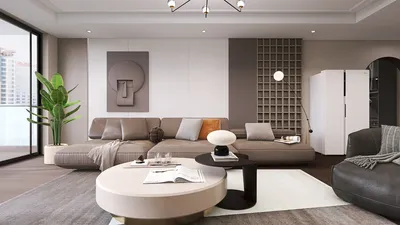


I create playful yet calming environments in children's rooms without causing overstimulation. The walls play a crucial role, influencing mood, behavior, sound quality, and designating spaces for study, play, and sleep. By incorporating texture—both visual and tactile—I add depth and transform surfaces into engaging canvases that children can interact with and personalize. My design philosophy centers around intentional texture, durable materials, and finishes that are easy to clean, which is perfectly complemented by tools like Homestyler for layout planning.
Two key elements inform my foundational design choices. First, the emotional impact of color is significant; as noted by Verywell Mind, warm tones can energize while cool shades foster calmness, which is essential for balancing active play with restful sleep. Second, the importance of acoustics cannot be overlooked; research from Steelcase indicates that distracting noises can hinder performance and elevate stress in learning spaces. Thus, I incorporate these findings when selecting colors and textured elements for the room.
The interaction of light and color determines how textures are perceived. The Illuminating Engineering Society recommends an illuminance level of 200–300 lux for general ambient light in home settings, with brighter task lighting suitable for activities like reading and crafts. Under warm-white light (2700–3500K), soft matte textures appear inviting, while cooler lighting (4000K) enhances sharper patterns—ideal for studying. I always evaluate textures under actual lighting conditions to minimize glare and harsh shadows while ensuring a balanced aesthetic.
Soft-Touch Wall Panels for Acoustic Calm
Using upholstered acoustic panels or felt tiles creates a sensory-rich wall that absorbs high-frequency sounds, allowing for lively play without chaos. I position these panels at a child-friendly height, making them safe to touch and perfect for hanging lightweight artwork and providing support during storytime. Opt for materials that are stain-resistant and certified safe, like OEKO-TEX or Greenguard Gold, with a medium-density backing and rounded corners for added safety.
Low-Relief Patterns: Subtle Texture, Big Impact
Incorporating low-relief options like shallow beadboard, shiplap, or fluted MDF strips adds a rhythmic quality without posing snag risks. I ensure the projections are kept under 10–12 mm to prevent entanglements during play and simplify cleaning. Vertical designs enhance perception of height in smaller rooms, while horizontal layouts create a calming effect on taller walls. Applying a washable, low-VOC satin finish allows the textures to remain soft under warm lighting.
Chalkboard and Writable Paint Zones
Introducing a writable area fosters creativity and minimizes paper clutter. Instead of covering an entire wall, I designate a framed zone—approximately 120–150 cm wide at a child’s height—to avoid overwhelming stimulation. I choose matte chalkboard or low-gloss dry-erase finishes and add a tray to hold crayons and erasers. Complementing this with surrounding soft textures, such as a felt band or cork strip, enhances noise absorption.
Cork Panels: Pin, Learn, and Buffer Sound
Cork tiles provide a warm, natural texture for kids to pin items onto while offering sound dampening benefits. I arrange these in a patchwork design with 30×30 cm squares in study areas, aligning the top edge with anticipated desk heights. Sealing the cork with a water-based finish protects it from stains while preserving its tactile quality, complementing light wood features and pastel wall colors beautifully.
Fabric-Wrapped Boards and Soft Headboard Walls
For cozy reading corners or headwalls, I utilize fabric-wrapped boards that serve as a warm backdrop while reducing sound reverberation. I select tightly woven, easy-to-clean fabrics with delicate patterns, such as mini herringbone, to avoid overwhelming visuals. A soft panel situated behind pillows fosters a serene bedtime atmosphere, enhanced by adjustable sconce lighting at 2700–3000K to maintain a calming environment.
Textured Paint: Sand, Linen, or Metallic Sheen Accents
Textured paint can add an elegant touch when used judiciously. A linen-like or fine sand finish applied to a single wall can introduce visual interest without extensive upkeep. Keep metallic accents minimal—such as stenciled stars or geometric trims—to prevent reflections from becoming distracting. I avoid using textured paint in areas prone to wear from high traffic.
Geometric Relief Tiles in Play Corners
Lightweight foam or rubber relief tiles can create a fun tactile wall while ensuring safety. I suggest mixing two colors for visual balance and keeping profiles shallow to mitigate any hard edges. These tiles are easy to clean and provide cushioning for minor bumps, making them ideal for play areas without disrupting the tranquility of sleep spaces.
Wallpaper with Tactile Inks and Raised Details
Opting for embossed wallpaper or screen-printed designs with raised inks can add a gentle tactile element to walls. I recommend small-scale motifs like soft clouds or tiny waves to maintain visual interest without overwhelming space. Non-woven, washable wallpapers facilitate maintenance, and pairing half-height wainscoting of embossed papers with smooth upper sections ensures both durability and elegance.
Nature-Inspired Texture: Rattan, Cane, and Wood Slats
Natural textures provide warmth to a room atmosphere. Narrow wood slats or cane panels look inviting and are pleasant to touch, pairing beautifully with soft fabrics. Ensuring all surfaces are sealed, edges flush, and fasteners concealed eliminates splinter risks. A half-wall design of rattan against a smooth-painted upper section creates a tactile contrast that is both attractive and easy to care for.
Color Psychology and Texture Pairings
Colors influence emotional ambiance, while textures amplify it. For tranquil settings, soothing greens and soft blues work well with matte textures such as felt and linen. If aiming for energy, consider using coral, sunny yellows, or peach tones with light-reflective yet non-glare finishes. It’s advisable to use intense, glossy reds sparingly on large walls, saving them for smaller accents to avoid overstimulation during bedtime.
Lighting the Texture Right
For achieving the best results with textures, the lighting hierarchy is essential: ambient light from ceiling fixtures (2700–3500K), task lighting at about 4000K for desks, and accent lights for softer areas like nightstands. Utilizing side lighting emphasizes textures by creating highlights, while overhead diffusers help soften shadows. Dimmers are useful for transitioning from active play to relaxation, ensuring textured areas remain visually appealing at lower light levels.
Zones by Texture: Play, Study, Sleep
I strategically use texture to denote different functional areas. In the play zone, I incorporate bold reliefs or foam tiles, dynamic colors, and writable sections. For study areas, I opt for quieter patterns and subdued colors, enhanced by crisp task lighting. In sleep areas, soft textiles and matte paints minimize contrast. If you are considering a layout transition, tools like Homestyler can assist in visualizing how different textures can effectively define activity zones and furniture arrangements.
Materials, Safety, and Maintenance
Designing kids' rooms necessitates durable and easy-to-clean materials. I prioritize low-VOC paints, rounded edges for safety, sealed woods, and stain-resistant fabrics. Ensuring that all textured elements are securely mounted and shallowly projected matters for safety. Establishing a cleaning routine that addresses high-touch areas weekly and performs full wall cleaning monthly encourages longevity in design. Tactile zones should be easily reachable and reparable as children grow.
Budget-Friendly Texture Moves
Creative options like painted beadboard, DIY cork boards, fabric-covered pin boards, and partial chalkboard features offer significant visual impact without substantial financial investment. Rotating art clip rails periodically can refresh the room’s theme, and applying removable embossed wallpaper to a single wall allows for texture trials without commitments.
Future-Proofing as Kids Grow
Designing textures that adapt is essential. Employing neutral bases with interchangeable panels, removable decals, and paintable relief structures keeps the space dynamic. Maintaining an adaptable study area for shelving and technology is vital. As kids transition to their teenage years, increasing acoustic coverage and softening color temperatures enhances comfort, allowing the textured foundation to mesh seamlessly with changing needs.
FAQ
Q1: Which wall textures are effective for reducing noise in a kids’ room?
A1: Acoustic panels, felt tiles, cork boards, and fabric-wrapped surfaces are all excellent for absorbing mid- to high-frequency sounds. Strategically placing them near play areas and around beds can significantly decrease reverberation.
Q2: What paint finish is ideal for textured walls?
A2: A washable matte or satin finish is best because it provides low glare and simplifies cleaning. High-gloss finishes can enhance texture perception but may create a visually busy atmosphere; using gloss for small details is preferable.
Q3: How can I effectively balance playful textures with a tranquil sleep environment?
A3: Focus on lively textures such as foam tiles and writable areas for play zones, while reserving the sleeping area for matte, soft, and low-contrast textures. Employing warm lighting and dimmers at night can help soften shadows to promote relaxation.
Q4: Are chalkboard walls both safe and practical?
A4: Absolutely, as long as they are framed and feature matte finishes along with accessory rails. Keeping the size contained helps manage dust and visual complexity; pairing with soft-textured elements nearby ensures good acoustic balance.
Q5: What colors work best with textured surfaces for children?
A5: Soft blues and greens support a calm atmosphere, while vibrant peaches and corals can encourage energy. It’s advisable to use rich colors sparingly on textured walls to prevent overwhelming sensations—reserving them for small accents or borders.
Q6: What lighting levels should I target?
A6: Strive for about 200–300 lux for general ambient lighting and brighter levels for task zones. Warm lighting around 2700–3000K is ideal for sleep areas, while cooler temperatures of approximately 4000K enhance focus during study time. This allows textures to be appreciated without glare.
Q7: What maintenance practices are effective for textured walls?
A7: Selecting durable, low-VOC finishes is key. Regular spot-cleaning on a weekly basis followed by a deep clean monthly maintains the space's appeal. Ensure that natural materials are sealed and consider using removable panels or wallpapers for easy updates.
Q8: Is textured wallpaper suitable for smaller rooms?
A8: Yes, if you choose fine patterns and apply them to just one wall or as part of a half-height design. Light colors and matte finishes help prevent the room from feeling cramped.
Q9: What is the safest way to incorporate raised elements?
A9: Ensure that projections are shallow, edges are rounded, and fasteners remain concealed. Mount tactile elements at child-friendly levels and steer clear of sharp profiles near beds or doorways for safety.
Q10: How can I effectively plan the layout around textured walls?
A10: Start by defining activity zones—play, study, and sleep—and then align textures with those functionalities. Utilizing a room design visualization tool like Homestyler helps test how various furniture and lighting will interact with the textured surfaces before you begin installation.
Homestyler is your go-to online home design platform, perfect for turning your vision into reality. With an easy-to-use design tool, stunning 3D renderings, a wealth of design projects, and helpful video tutorials, you’ll effortlessly create the home of your dreams, even as a beginner!
立即免费设计
































