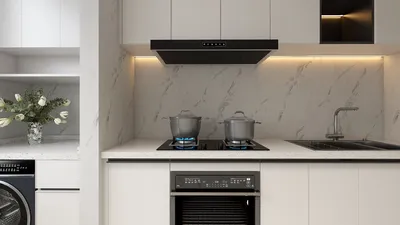


I have created numerous kitchen and living room designs that seamlessly integrate, ensuring they don’t become a singular, loud space. A semi open plan strikes the perfect balance: ample visibility and shared natural light, while still maintaining enough definition to manage sounds, odors, and visual clutter. When executed well, it enhances everyday living—cooking feels connected, conversations flow easily, and tranquil spaces are available. In recent projects since 2020, I have observed that families and hybrid workers favor flexible zones that serve multiple purposes: cooking, dining, video conferencing, and unwinding; all often within a compact area.
Two significant insights guide my design process. Research from Steelcase shows that employees spend around 37% of their time collaborating and 63% focusing on individual tasks in hybrid work environments. This findings translate well into residential designs, indicating the need for spaces that support both social interactions and solitary work within the same layout (Steelcase Research). Additionally, the WELL v2 guidelines emphasize the importance of acoustic comfort; minimizing sound transmission and reverberation enhances cognitive function and reduces stress (WELL v2, Sound concept). These insights advocate for a semi open layout—an intelligently crafted space that allows various activities to coexist without interference.
Establishing the Core: Zoning Without Barriers
I begin by charting a circulation path—typically from the entryway to the balcony—before positioning the kitchen, dining area, and lounge as neighboring spaces along that route. Low-height elements serve as subtle dividers: a 36–42 inch island, a banquette back, or a double-sided shelf. This design keeps eye-level unobstructed while gently indicating boundaries. When verifying furniture dimensions and aisle widths (42–48 inches for primary kitchen aisles according to NKBA guidelines), I utilize a layout simulation tool like Homestyler to visualize movement and sightlines prior to finalizing the design.
Multi-functional Islands
In semi open layouts, the island acts as both mediator and multitasker. One side can be used for casual dining, while the kitchen face serves as meal preparation space—incorporating power outlets for small appliances beneath the overhang. Plan for 24–30 inches per seated guest, with 15 inches of knee clearance. The choice of finishes is crucial: a lighter matte top reduces glare (particularly from LED lights), and waterfall sides conceal stools and cables, simplifying the aesthetic in the living area. For frequent and aromatic cooking, consider including a canopy hood that effectively captures steam and odors, extending its reach beyond the cooktop; this distinction is crucial for maintaining a fresh living space free from strong food scents.
Illumination Layers: Controlling Color Temperature and Glare
Lighting can either connect or segregate spaces. In the living area, I favor warm-white ambient lighting (~2700–3000K), transitioning to slightly cooler tones in task zones (~3000–3500K) for the kitchen. The Illuminating Engineering Society recommends brightness levels on kitchen counters ranging from 300 to 500 lux to ensure safe food preparation; living spaces can comfortably maintain around 100–300 lux depending on the time of day and mood (IES standards). To prevent glare, place adjustable downlights strategically outside the primary viewing angle of the TV, and avoid shiny finishes on large areas. Under-cabinet lighting should be uniform with diffusers to eliminate scalloping, and dimmable circuits can allow one area to dim while keeping adjacent spaces well-lit.
The Psychology of Color: Warmth, Calm, and Visual Structure
Color significantly impacts the ambiance in semi open plans. Muted greens and gentle blues promote relaxation and lower heart rates, while soft neutrals and wood tones enhance warmth—ideal for the dining areas that connect the kitchen and lounge. Bright, high-chroma colors should be limited to movable items like stools or throws, helping to define distinct areas without permanent commitments. For families with energetic children, I opt to place bolder colors in play spaces while maintaining subdued hues in areas meant for focus or evening relaxation.
Designing for Quiet: Strategies for Acoustic Comfort
Sound issues are a common concern in open layouts. I approach this like a materials challenge: incorporating sound-absorbing elements at ear level (like upholstered seating and textured curtains), using bookshelves or ribbed millwork to break up hard surfaces, and placing a plush rug in the living area to soften foot traffic noise. Even minor adjustments—such as a perforated MDF panel behind the TV—can significantly reduce echo. If you anticipate noise from kitchen appliances such as blenders, enclosing the appliance garage can help, along with specifying rubber feet for equipment. When someone is working nearby, employing a modest partition or cluster of plants around 48–60 inches high can diminish sightlines and gently reduce overlapping conversations.
Ergonomics and User Experience
Comfort is reliant upon adequate clearances and sightlines. Maintain primary kitchen aisles at a minimum of 42 inches for solo cooks and 48 inches for two (following NKBA guidelines), allowing 60 inches for turnaround near major doors. In the living area, I suggest a viewing distance of 9–10 feet for a 65-inch TV, with seating pitch that promotes comfort (18–20 inch height and 20–24 inch depth). The link to dining benefits from at least 36 inches of clearance around the table, extending to 48 inches where it serves as a main thoroughfare. I prefer to align the table edge with the end of the island to create a coherent visual line and minimize chair displacement.
Managing Odors and Clutter
A semi open layout means the living room remains visible from the kitchen. Opt for a range hood with at least 400–600 CFM pull for standard stoves, and ensure code-compliant make-up air. Incorporating a lidded trash pull-out near food preparation areas helps control odors, while deep sinks with offset drains minimize splashing towards the living areas. For entertaining families, I recommend placing a beverage refrigerator at the island’s living-facing side, allowing guests to serve themselves without disrupting the cooking space.
Sustainable Material Choices
Long-lasting and repairable surfaces maintain elegance in shared spaces over time. I select hardwood or engineered wood with a low-VOC matte finish throughout both zones for consistency, and add resilient stone or porcelain in kitchen areas prone to spills. Fabrics rated for higher abrasion (Martindale > 30,000) can withstand daily use in the living room. In areas prone to strong sunlight, I recommend using fade-resistant textiles and low-emissivity glazing to preserve color and minimize cooling demands. For casework, choosing FSC-certified plywood and eco-friendly finishes reduces indoor pollutants, promoting longevity without compromising quality.
Concealed Storage Solutions
Achieving visual serenity depends on effective storage solutions. Adding a slim pantry pull-out along the kitchen's edge allows for convenient snack access, while a media cabinet equipped with fabric doors (IR-friendly) keeps technology organized and unobtrusive. Crafting a bench with hidden storage near the dining area provides a place for placemats, games, and seasonal cushions. If ceiling height allows, consider an open shelf above a partial divider for display options without obstructing the flow.
Maximizing Natural Light and Views
Prioritize the best view for the living area, allowing the kitchen to also benefit from it through reflective surfaces and aligned sightlines. Utilizing sheer curtains along with secondary blackout or solar shades provides versatility in glare and privacy throughout the day. The kitchen sink is often a great spot for natural light; position it so that the main prep area receives light from the side to reduce shadows on hands and cutting tools.
Proportions, Patterns, and Visual Harmony
Spaces appear cohesive when elements are intentionally repeated. Match the leg profiles of the island with dining table edges, reflect the cabinet hardware finish on media unit pulls, and ensure a simple rhythm with ceiling fixtures—such as evenly spaced linear pendants above the island complemented by a centered pendant above the table. Avoid overloading the ceiling with fixtures: usually two layers of general lighting plus task lighting suffices, with accent lighting used sparingly.
Flexible Zones for Modern Living
Contemporary semi open homes frequently necessitate a small workspace. I often create this by placing a low bookcase back-to-back with the sofa or a narrow desk against a quiet kitchen wall, ensuring visibility to family while maintaining focus. Adequate task lighting (350–500 lux) and an adjustable chair with lumbar support are essential. In tighter settings, a fold-down desk or versatile console that converts into a laptop station can preserve the living room aesthetic.
Thoughtful Integration of Technology
Concealed technology helps maintain design integrity. Opt for dimmable fixtures that transition from warm to cool to adapt the atmosphere based on the time of day, and consider smart shades for optimal glare management. Induction cooktops not only eliminate residual heat but also offer a safer environment around children. For audio systems, strategically placing ceiling speakers in the kitchen combined with a soundbar in the living room prevents sound distortion and ensures clarity.
Strategies for Small Spaces
In smaller apartments, substitute a deep island with a narrower console bar (16–20 inches), utilize sliding screens in place of traditional doors, and define the living area with an appropriately scaled rug that fits the seating area rather than the entire room. Strategically applied mirrored panels, ideally installed perpendicular to windows, can create the illusion of depth without overwhelming the space with reflections.
Stylish Aesthetics That Connect Both Areas
Maintain a unified metallic finish across both surroundings (for example, brushed nickel) while varying textures for visual richness. Utilize countertop fruit bowls, open cookbooks, and inviting throws that share a cohesive color palette, ensuring that the culinary bustle in the kitchen appears curated from the living perspective. Flourishing plants can serve as natural dividers: taller varieties like ficus can act as soft barriers, while herbs placed near the island add vibrancy and functionality.
Excellence in Workflow Planning
I employ an interior layout planner to prototype movement patterns, seat density, and illuminating schemes before making any significant purchases. Early iterations avert expensive alterations and ensure the living room does not suffer from the kitchen’s design constraints. A well-defined semi open plan focuses on harmonizing transitions—allowing rooms to communicate effectively without jarring contrasts.
Tips for Achieving Semi Open Network Success
- Establish a clear circulation path while adhering to 42–48 inch kitchen aisle dimensions (NKBA).
- Layer lighting: task brightness of 300–500 lux in the kitchen and softer ambient light in the living area (as per IES guidance).
- Incorporate an island or low shelf to define areas without obstructing sightlines.
- Utilize soft finishes to mitigate echo and conversational overlap.
- Strategize storage solutions that conceal everyday clutter before it reaches the living area.
- Choose an efficient range hood and proactively manage cooking odors.
- Balance color schemes for warmth and calm; reserve bolder shades for easily movable items.
- Experiment with the layout using a room design visualization tool like Homestyler to identify potential bottlenecks early in the process.
FAQ Section
Q1: What is the ideal width for kitchen aisles in a semi open plan?
A1: Aisles should be at least 42 inches wide for a single cook, and 48 inches if two people will routinely be preparing food together, in line with NKBA recommendations.
Q2: What color temperature is best for harmonizing kitchen and living zones?
A2: Utilizing warm-white ambient lighting around 2700–3000K in the living area alongside slightly cooler task lighting at about 3000–3500K in the kitchen helps to maintain comfort and clarity on working surfaces.
Q3: How can I manage cooking odors without completely closing off the kitchen?
A3: It is advisable to install a hood with sufficient capture efficiency (usually 400–600 CFM for standard ranges), ensure proper ventilation, and keep trash bins covered. An induction cooktop can also minimize residual heat and smoke.
Q4: What materials are effective for sound absorption in semi open spaces?
A4: Incorporating upholstered seating, textured drapes, area rugs, bookshelves, and ribbed or perforated panels can absorb and scatter sound, significantly diminishing echoes and speech interference.
Q5: How can I create spatial division without erecting walls?
A5: Utilization of a 36–42 inch island, a low bookcase, a banquette back, or a double-sided shelf are excellent ways to distinguish zones at seated height while preserving sightlines. Another option could be to implement sliding screens for partial privacy without a full separation.
Q6: What is a strategic method for managing lighting across both areas?
A6: Installing separate dimmable circuits for kitchen task lights and living ambient fixtures, adding under-cabinet lighting with diffusers, and placing adjustable downlights away from direct sightlines to the TV can help control glare effectively.
Q7: How do I select color schemes that suit both cooking and relaxing environments?
A7: Opt for a calm foundational palette—soft neutrals or desaturated greens and blues—and incorporate warmer tones through wood finishes and textiles. Reserve vibrant hues for flexible items such as art, stools, or throws to maintain adaptability.
Q8: What clearance is ideal around a dining table?
A8: Ensure at least 36 inches of circulation space, increasing to 42–48 inches where the table meets a primary walkway. Aligning the table with the island’s edge promotes organization.
Q9: What planning methods can help me keep the living area tidy?
A9: Integrate closed cabinetry, a pull-out pantry at the living area edge, a media console with fabric-covered doors, and storage benches near dining spaces. Design storage for daily-use items close to where they are utilized.
Q10: What considerations are important for natural light in semi open layouts?
A10: Arrange prep areas to benefit from side light to minimize shadows, and utilize layered window treatments—including sheer and solar or blackout shades—to balance glare in both kitchen and living spaces throughout the day.
Q11: How can I test my layout before selecting furniture?
A11: Utilize an interior layout planner, such as Homestyler, to simulate foot traffic, seating arrangements, and lighting. Reviewing aisle dimensions, sightlines, and the relationship between the island and dining table can help prevent traffic bottlenecks.
Q12: What trends are influencing semi open plans in 2024–2025?
A12: Current trends feature hybrid living environments, warm minimal color schemes, matte surfaces for reducing glare, smart dimming technologies, and flexible dividers (like slatted screens and mobile storage) that adjust from social to focus-oriented uses.
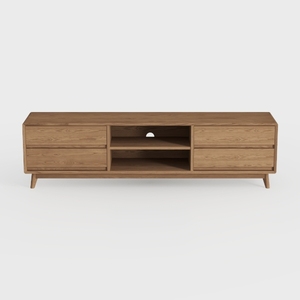
OKD TV Stand for 75+ Inch TV, Mid Century Modern

Meridian Furniture 77054Natural Everson Collection
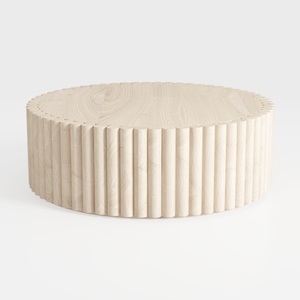
Drum Oval Coffee Table Mid Century Modern Coffee
Discover the ease of home design with Homestyler! This online platform features an intuitive design tool, stunning 3D renderings, and a wealth of DIY video tutorials. Whether you're redesigning a room or starting a new project, Homestyler makes it simple and inspiring to bring your vision to life.
立即免费设计
































