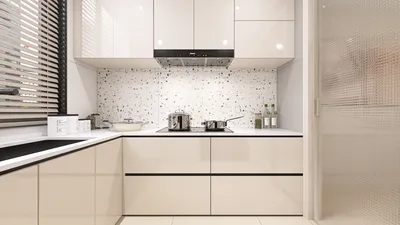


For over ten years, I have embraced ivory in living spaces because it effortlessly enhances the ambiance, elevating materials, lighting, artwork, and everyone present. Unlike stark white, ivory offers a gentle warmth that remains flexible enough to complement classic, transitional, and contemporary designs. Essentially, it acts as a canvas, allowing textures, proportions, and light to stand out beautifully.
Data-driven insights affirm that ivory promotes comfort in interior design. According to the WELL v2 Light concept, managing glare and ensuring balanced lighting are crucial for circadian health, emphasizing metrics that focus on vertical illuminance and contrast management. Additionally, research from Steelcase highlights that environmental control and visual comfort lead to increased satisfaction and sustained attention in shared areas, directly relevant when choosing light shades that distribute light uniformly. I maintain ambient lighting levels between 200–300 lux in living rooms, increasing task areas to 300–500 lux, while keeping luminance ratios soft to prevent hotspots.
Color psychology enriches the discussion: muted, low-saturation shades are linked with tranquility and reduced cognitive strain, making spaces feel restorative instead of overwhelming. Incorporating controlled color accents like muted blues, olives, and terracotta with ivory creates a visual rhythm that soothes the senses. For comprehensive insights about the influence of neutral palettes on attention and emotional well-being, refer to the color psychology overview from Verywell Mind.
The Essence of Ivory: Tone, Temperature, and Finish
Ivory lies between warm white and cream, usually featuring a subtle yellow or beige undertone. I favor low-sheen finishes like eggshell or matte on walls to absorb glare and maintain a soft surface feel. For trims, satin or semi-gloss with the same undertone accentuates edges without feeling harsh. Consistency in lighting temperature is paramount—2700K contributes to cozy evenings, while 3000K delivers a more modern brightness. When combining light sources, strive for a ±200K range to prevent color inconsistencies that can lead to an uneven perception of ivory.
Creating Depth with Layered Neutrals
An all-ivory space can seem flat without the addition of tonal variations and textures. I incorporate warm whites, bone, oatmeal, and pale greige in textiles and millwork to add dimension. Consider using bouclé or chenille on sofas, linen curtains, a wool flatweave rug, and lightly grained oak. Introduce contrast with bronze, patinated brass, or gunmetal to deliver a subtle sheen against soft textiles that convey sophistication without being overly dramatic.
Light, Glare Control, and Mood
Ivory's reflective qualities can amplify brightness, necessitating a careful balance. Implementing two to three layers of lighting is essential: ambient (recessed or ceiling fixtures), task (floor lamps near reading areas), and accent (wall washers or picture lights for artwork). Adhering to IES guidelines for glare reduction by using shielding and diffusers is advisable. If you have extensive ivory-covered walls, opt for a gentle wash rather than concentrated spot lighting, as intense beams can lead to visual fatigue. Dimming lights to 30–40% after sunset can aid in transitioning to a restful ambiance.
Grounding the Palette with Flooring and Rugs
Textured flooring is crucial for anchoring a room's design. Light oak or hickory floors with a matte finish effectively bridge the gap between ivory walls and furniture, while a hand-loomed wool rug in oatmeal or cream introduces tactile comfort. I often include a subtle border or geometric designs in rugs for definition, ensuring patterns remain low-contrast to uphold a serene atmosphere.
Furniture Profiles: Soft Geometry
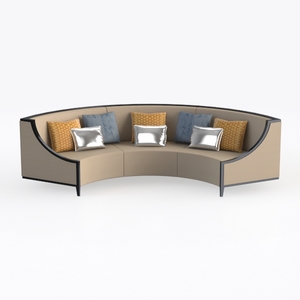
Curvaceous furniture complements ivory's soft aesthetic. A tuxedo sofa in ivory bouclé paired with a pale stone coffee table presents a plush yet sculptural look. Incorporate one darker element, such as a walnut credenza or an espresso leather chair, to ground the composition and prevent it from feeling weightless. Maintaining consistent seat heights around 17–19 inches ensures ergonomic comfort and nice sightlines.
Harmonizing Accent Colors with Ivory
Ivory benefits from strategically applied accent colors. My preferred palettes include
Keep accent elements to 20–30% of the aesthetic to ensure that ivory remains the dominant color. In artworks, select pieces with mid-tone backgrounds rather than heavy black to keep the overall harmony.
Wall Treatments: Paint, Panels, and Plaster
Explore beyond traditional paint by considering limewash or mineral plaster, which introduce movement and subtle tonal shifts to large ivory walls, preventing them from appearing static. For added architectural interest, incorporate narrow vertical battens painted in the same ivory; these shadow lines can add rhythm without strong contrast. If wainscoting is used, paint the upper wall a half-step lighter to create an illusion of increased height.
Daylight Management with Window Treatments
Natural fiber sheer drapery diffuses sunlight effectively, safeguarding the ivory palette from harsh midday rays. Ensure lined drapery to maintain color integrity; unlined sheers may appear too cool against bright sunlight. Roller shades in a warm white with 3–5% openness present views while mitigating glare. Setting sequences for different times of the day allows you to create enjoyable rituals that make the space feel thoughtfully curated.
Pairing Materials: Metal, Stone, and Wood
Ivory works beautifully with layered natural materials such as vein-cut travertine, honed limestone, and light rift-sawn oak. Opt for softer metal finishes—satin brass, pewter, or bronzed steel—rather than shiny ones. A single marble feature with warm veining can add elegance, while an excess of clashing stones can create visual discord.
Promoting Acoustic Comfort in Pale Rooms
Light palettes can amplify the perception of echoes due to the minimal visual distraction present. Enhance acoustic comfort by integrating plush rugs, upholstered seating, full-height drapery, and several cork or fabric-lined storage units. Aim for a balance of absorptive and diffusive surfaces; bookshelves with varying depths can serve as effective diffusers.
Layout Strategies for Ivory Living Rooms
In long rectangular spaces, position seating against the largest wall and float a coffee table within 16-18 inches of circulation space. Maintain a minimum pathway width of 36 inches. While symmetry is calming, asymmetrical arrangements can add vibrancy—balance a pair of chairs with a lamp and a cluster of side tables. For planning multiple seating arrangements or checks on sightlines, consider using an intuitive interior layout planner like Homestyler to visualize proportions and movement flow.
To achieve balanced focal points, avoid clustering the television, fireplace, and major artworks along one axis. Distribute focus across multiple surfaces so that ivory elements frame rather than dominate the scene.
Textiles: Tactile Elements That Enhance the Scheme
When choosing textiles in ivory, resilience is key. Select performance linen blends, stain-resistant bouclé, and solution-dyed fibers to ensure durability while maintaining a soft touch. Layer throws crafted from cashmere or alpaca for warmth and a subtle sheen. Regularly rotating seasonal pillows (cotton-linen during spring/summer, wool-silk in fall/winter) ensures the space feels fresh without necessitating a repaint.
Sustainability and Maintenance Considerations
Opt for low-VOC paints and Greenguard-certified finishes to promote healthy indoor air quality. Utilize washable slipcovers to extend the lifespan of ivory upholstery. Protect high-touch surfaces with micro-textured finishes—glossy surfaces highlight fingerprints, while matte options conceal them. Implement a quarterly maintenance plan involving spot cleaning textiles, dusting light fixtures, and refreshing rug fibers to keep the appearance neat and serene.
Styling: The Crucial Final Touches
Ivory rewards simplicity. Curate accessories down to a select few meaningful items: ceramic vessels, softly-toned art prints, and a seasonal arrangement of branches. Greenery should emphasize texture rather than color—olive, eucalyptus, or dried grasses can effectively ground the palette.
For optimal lighting comfort and to align with circadian rhythms, the WELL v2 offers clear direction on how to maintain balanced illumination and control glare. Steelcase's research library is also a dependable source for understanding how visual environments impact satisfaction and performance.
FAQ
Q1: Will an ivory living room feel too cold?
A: Not if you manage the undertone and lighting correctly. Opt for warm ivory with soft yellow-beige undertones and use lighting in the 2700–3000K range. Incorporate wood, brass, and textured textiles to maintain a homely warmth.
Q2: How can I prevent glare on ivory walls?
A: Choose matte or eggshell finishes for paint, utilize diffused fixtures, and prefer wall washers over spotlights. Keep ambient light levels around 200–300 lux and restrict bright sources directly aimed at the walls.
Q3: What accent colors work best with ivory?
A: Good choices include mushroom, olive, dusty blue, terracotta, and bronze, as they provide gentle contrast. Limit accents to 20–30% of the composition to maintain a harmonious atmosphere.
Q4: Can ivory be paired with dark flooring?
A: Absolutely. Ensure balance with mid-tone furniture legs and a light rug to create a smooth transition between the dark flooring and ivory walls. Repeat the dark tone in one or two furniture pieces for cohesion.
Q5: How do I keep an ivory sofa practical?
A: Select performance fabrics or easily removable slipcovers. Apply fabric protectors, establish guidelines for food and pets, and organize regular gentle cleanings.
Q6: What lighting temperature is best to use?
A: Use 2700K for warm, cozy evenings; and 3000K for a brighter, more modern vibe. Maintain a tight range to avoid inconsistent color rendering on ivory surfaces.
Q7: How can I style shelves within an ivory room?
A: Incorporate soft mid-tone books and ceramics, limit the use of bright whites, and add natural textures like wood and linen. Ensure sufficient negative space to avoid visual clutter.
Q8: Is ivory a suitable choice for small living rooms?
A: Yes. Its high reflectance can create an illusion of larger spaces, especially when paired with controlled lighting and mirrors to bounce soft, diffused light instead of direct rays.
Q9: Which metals pair best with ivory?
A: Ideal options include satin brass, bronze, pewter, and polished nickel—all featuring a soft sheen that complements ivory without harsh reflections.
Q10: How can I introduce patterns without compromising calm?
A: Opt for low-contrast geometric designs or soft organic patterns in rugs and cushions. Ensure medium scale and color values that stay close to the ivory base.
Q11: Do you have layout tips for multi-functional living rooms?
A: Establish zones using rugs and lighting. Maintain pathways of at least 36 inches, and arrange seating around two focal points to distribute attention and minimize congestion.
Q12: What wall finish offers a refined appearance?
A: Limewash or mineral plaster introduces movement and depth, while for trim, a satin finish in a matching undertone sharpens edges without appearing harsh.
Homestyler is your go-to online platform for effortless home design. With its user-friendly design tool, stunning 3D renderings, an array of inspired design projects, and helpful DIY video tutorials, transforming your space has never been more enjoyable. Start creating your dream home today!
立即免费设计
































