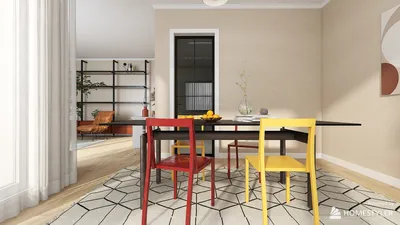


The entrance of your home plays a pivotal role in shaping the initial impressions of guests. A thoughtfully designed hall that integrates adequate lighting, practical storage solutions, and appealing proportions can convey both serenity and sophistication. My approach centers around crafting an entryway that facilitates daily routines, minimizes clutter, and provides an aesthetic highlight without excessive decor. Utilizing a tool like Homestyler can enhance this design process significantly.
Lighting is where I start my design journey. The Illuminating Engineering Society (IES) suggests that standard residential circulation areas benefit from approximately 100–300 lux of ambient lighting, while specific task zones (such as where keys are dropped) perform best with around 300–500 lux. Furthermore, the WELL v2 standard highlights the importance of glare reduction and quality color rendering to bolster visual comfort and ambiance. I achieve a warm atmosphere by balancing ambient light with a 2700–3000K color temperature, ensuring that high CRI lighting sources maintain the integrity of surface finishes.
Understanding how people behave is crucial in design. Research from Steelcase indicates that friction in everyday movements heightens cognitive load, implying that a cluttered, disorganized entryway can create ongoing stress. I observe the first few actions individuals typically perform upon entering—dropping keys, hanging up coats, storing shoes, and checking their appearance. By organizing these micro-moments with intuitive placements, the entrance experience becomes seamless.
Establishing an Inviting First Impression
I enjoy incorporating a visual centerpiece as soon as one crosses the threshold: this could be a striking pendant light, an interesting sightline, or an artfully arranged console table. Keeping the design cohesive is key: consider a standout light fixture, a console table standing at 30–34 inches high, a piece of art placed at eye level (approximately 57 inches), and a natural element like a branch, small plant, or a decorative bowl. This attention to detail minimizes visual distractions and fosters a conducive flow as you transit through the space.
Designing for Physical Flow
Hallways are best when they promote unobstructed movement. Aim for a minimum passage width of 36 inches in standard residences; 42 inches can feel generous in busier households. When envisioning furniture layout or assessing traffic patterns, employing a layout simulation tool such as Homestyler is invaluable in pinpointing potential bottlenecks, allowing for adjustments before final purchases.
Incorporating multiple lighting layers is essential. I establish three types of lighting: ambient (using flush mounts or hidden linear fixtures), accent (such as picture lights or small wall washers), and task lighting (like a table lamp on a console or sconces near key storage areas). For compact hallways, a single stylish pendant with dimming capability paired with a console lamp often suffices. Ensure that lighting fixtures include adequate shielding or diffusers to minimize veiling reflections on glossy surfaces. If there’s a mirror facing a window in the hall, select a rug with a matte texture to reduce glare.
Exploring Color Psychology and Texture
Colors convey emotional tones. An overview by Verywell Mind suggests that warm neutrals bring comfort, while blues induce calmness and greens symbolize balance and revitalization. In an entry, I generally combine a warm neutral backdrop (like soft taupe or pale greige) with a bold accent featured on the console artwork or door. Texture also plays an important role: using woven baskets, a wool runner, ribbed ceramics, or aged metals can contribute to a welcoming ambience without creating visual overload.
Efficiently Concealing Storage
The most effective entries maintain an organized appearance. I prefer closed storage solutions for shoes and seasonal items—whether it involves shallow cabinets or benches with hidden compartments. Hooks serve a functional purpose, yet it’s wise to limit open hooks to only a few items to avoid visual clutter on the wall. Instruments like trays for keys and sunglasses, a compact mail slot within a console, and a concealed umbrella stand enhance a calm visual landscape. For families, providing each member with a labeled cubby helps manage clutter effectively.
Prioritizing Ergonomics and Human Factors
A bench height of approximately 17–19 inches simplifies the process of changing shoes. When space allows, it is beneficial to maintain 18 inches of clear space in front of storage for comfortable kneeling or sitting. Mount coat hooks at 60–65 inches for adults, and consider adding a lower rail at around 40 inches for children. Mirrors should reflect head-and-shoulder perspectives for most users—centering at 57 inches but allowing for flexibility based on varying heights within the household.
Enhancing Acoustic Comfort
Entryways can become very hard-surfaced spaces with tiled floors and painted drywall. I suggest including a runner (preferably made from wool or blended fibers for durability), a cushioned fabric bench, and at least one soft-textured wall element—such as textile art or an acoustic panel that doubles as decoration. This combination mitigates noise from foot traffic and reverberations, creating a more tranquil arrival experience.
Choosing Durable Materials
Entrances are subject to weather conditions, dirt, and high foot traffic. I lean towards using sealed stone or porcelain tiles for flooring at the entrance, followed by a wool runner; cabinet fronts made of durable lacquers or high-pressure laminates; and solid brass or stainless steel hardware for longevity. If you prefer hardwood floors, an absorbent mat placed just inside the door will help protect from moisture damage.
Establishing Proportion, Rhythm, and Visual Balance
Smaller hallways benefit from an emphasis on vertical elements—such as tall artwork or a slender mirror that draws the eye upward. In longer passages, I suggest enhancing rhythm with evenly spaced sconces or a sequence of framed pieces at regular intervals. It's essential to avoid furniture that is too large; a console depth of 12–14 inches is ideal for tight spaces, while 16–18 inches works well when there's more room to spare.
Incorporating Smart Touches to Enhance Routines
Using dim-to-warm lighting can make evening transitions more comfortable. Installing low-level motion sensors enhances safety during night entries without dazzling the eyes. If you frequently receive deliveries, creating a discreet shelf near the door is a practical solution to keep packages off the floor. A compact seating solution and a shoe pull hidden beneath the console can save time and effort during busy mornings.
Creating Distinct Micro-Zones in Compact Entrances
Even in a small apartment entrance, it is possible to define areas based on functionality: a landing zone (with trays and mail slots), immediate storage options (like hooks and benches), and a welcoming moment (through art or plants). At each zone, aim to limit decision making: utilize one tray, restrict the number of hooks, select one artwork, and include one lamp. Fewer design elements yield better results.
Emphasizing Sustainability
I prioritize natural materials when selecting runners, use low-VOC finishes, and integrate energy-efficient LED lighting. Opting for high-quality materials results in entrances that withstand wear and tear, minimizing the need for replacements and reducing overall waste. Reclaimed console tables or vintage mirrors contribute character while being more environmentally friendly.
Ensuring Seasonal Flexibility
Design the hall to serve as a versatile stage that you can refresh: rotate artwork and flowers, change out baskets, and update the runner seasonally. Maintain a consistent approach to core storage, while allowing accents to change to reflect different seasons or events without the need for a full redesign.
Common Hall Layouts and My Adjustments
Opt for a narrow console (12 inches), wall-mounted hooks instead of bulky coat racks, and a vertical mirror. Choose a linear runner to lengthen the space and introduce a series of sconces to establish rhythm.
Center a pendant light, position a curved console to soften edges, and layer rugs—placing a mat at the threshold alongside a wool rug—to anchor the area effectively.
Segment the area with lighting punctuations, a series of art pieces, and occasional niches. When planning the arrangement, it is beneficial to test spacing using an interior layout planner to confirm sightlines and clear pathways.
Utilizing an interior layout planner
A Quick Styling Formula
Console + Mirror + Lamp + Tray + Natural Element. Ensure the lamp shade is warm white, select a minimalistic mirror, and choose a tray that complements the console's depth. Including one personal item (like a book or framed picture) adds character without leading to clutter.
Frequently Asked Questions
For optimal lighting conditions, aim for 100–300 lux in the hallway, with task areas like consoles needing 300–500 lux. These suggestions align with the guidelines from IES for residential spaces, with glare control further emphasized by WELL v2 standards.
Using warm-white lamps in the range of 2700–3000K fosters a cozy and inviting ambiance. If your entrance faces north and feels cooler, consider increasing to 3000–3500K but make sure to incorporate dimming options to soften the lighting in the evenings.
Limit visible hooks and prefer closed storage for shoes, while providing a designated tray for small items. A bench incorporating concealed compartments effectively manages seasonal gear.
A depth of 12–14 inches ensures smooth circulation; a height of 30–34 inches is ideal for dropping off keys and mail without hindrance.
Indeed, a mirror helps expand the perception of space and allows for quick appearance checks. Position it around 57 inches high, making minor adjustments for different heights in the household while ensuring no direct glare from overhead lights.
Incorporate elements such as a wool runner, a cushioned bench surface, and textured wall decor. These soft features absorb sound and minimize echoes, creating a more comfortable environment.
Employing porcelain or sealed stone at the threshold, followed by durable wood or engineered flooring, and solid metal hardware enhances longevity. Low-VOC finishes combined with LED lighting significantly improve indoor air quality.
Measure clear pathways and utilize design visualization tools to simulate placements. Confirm traffic patterns, lighting placements, and hook heights prior to making any commitments.
Yes, carpets catch dirt and help soften noise. Opt for low pile options for easy maintenance and utilize a non-slip pad for added safety.
Include a lower hook rail around 40 inches in height and designated cubbies inside a bench or storage unit. This keeps school bags from cluttering the floor with designated slots.



Discover your dream home design with Homestyler! This user-friendly online platform offers a powerful design tool, stunning 3D renderings, and an extensive library of design projects. Plus, you'll find inspiring DIY video tutorials to guide you every step of the way. Transform your space effortlessly!
Desain sekarang Gratis
































