


I create environments that are just as pleasing to the senses as they are visually appealing, with scent being a subtle yet significant contributor to that experience. Implementing an effective refill strategy can help maintain a fresh and invigorating atmosphere without requiring constant care. Research conducted by the Gensler U.S. Workplace Survey shows that 44% of workers identify their physical surroundings, including air quality and fragrance, as crucial to their productivity, highlighting the strong influence of scent on focus and well-being. The WELL v2 standards prioritize controlling pollutants and enhancing sensory comfort, reminding us that scented products should enhance—rather than conceal—good air quality achieved through proper ventilation and low-emission components. Incorporating tools like Homestyler into your planning can further harmonize these aspects for optimal comfort.
Getting the fundamentals right can be both time-saving and cost-effective. Studies by Steelcase connect sensory comfort with sustained focus, supporting a layered approach: prioritize ventilation, followed by subtle scenting. WELL v2 guidelines suggest minimizing VOC (Volatile Organic Compounds) sources; I specifically look for refills that are low-VOC or derived from natural sources, ensuring they accompany regular air filtration and fresh air introduction. In residential spaces, simple adjustments—such as using a MERV-rated filter and routinely airing out rooms—can effectively reduce odors, leading to longer-lasting and cleaner-smelling refills.
Develop a Scent Strategy Before Refilling
Before replenishing your diffusers or electric plugins, establish a scent plan tailored to each zone of your home. For example, kitchens tend to flourish with citrus and herbal fragrances that complement cooking, while bedrooms benefit from softer scents like sandalwood or lavender. Entryways can handle brighter fragrances to create a memorable first impression. Research in color psychology indicates that green symbolizes balance and freshness; thus, using herbal blends with green undertones in living spaces where energy and tranquility coexist can offer an inviting atmosphere. Ensure the scent intensity remains low in confined or high-focus areas to prevent fragrance fatigue.
Select the Appropriate Refill Format
When choosing scent formats, consider your behavioral patterns and the ventilation of each space. Reed diffusers provide a hands-free, low-maintenance fragrance solution; simply flip the reeds weekly and replace the oil every 6 to 10 weeks based on airflow. Plug-ins offer a steady output but should be adjustable and low-VOC-friendly; position them away from HVAC intakes for uniform distribution. Ultrasonic diffusers are perfect for short, deliberate fragrance sessions, such as during bedtime or post-cleaning, using just 2 to 5 drops of essential oil per 100 ml of water to maintain subtlety. For busy entrances, motion-activated diffusers can mitigate ongoing exposure.
Strategic Placement for Maximum Effectiveness
Placement plays a vital role in determining how frequently you'll need to refill your fragrance sources. Position diffusers at nose-to-chest height, ideally 3 to 6 feet from seating areas, to prevent localized fragrance concentrations. Avoid locations that receive direct sunlight (which can speed up evaporation) and open windows (which may dilute the scent too quickly). In open-plan living rooms, situate a primary diffuser near traffic areas and a smaller one closer to seating for balanced scent distribution. If you are optimizing furniture layouts, utilizing a room layout tool such as Homestyler can assist in visualizing pathways and micro-zones before finalizing your fragrance placements.
Adjust Scent Intensity with Light and Air
The interplay of light and air can affect the perceived strength of scents in your environment. Cooler light temperatures (around 4000–5000K) can enhance the freshness of citrus and mint while warmer lighting (2700–3000K) can enrich woody and vanilla notes. I like to utilize dimming and layered lighting to harmonize mood alongside scent. Manage glare and airflow; turbulent drafts can increase evaporation rates and fragrance consumption. Adhering to IES recommendations for task lighting in kitchens and studies ensures the scent remains a subtle background element that complements visual comfort.
Effective Refill Schedules
Implementing a straightforward refill schedule can simplify maintenance. I suggest checking passive diffusers every four to eight weeks and topping off plug-ins monthly. Rotate scent families with the seasons—citrus and herb for spring/summer; resin and soft spice in fall/winter—to minimize olfactory fatigue. If a room's aroma begins to feel ‘flat,’ consider switching to a complementary scent profile instead of merely increasing the dosage. Keeping a record of what you’ve used, perhaps a quick note on the bottle with the date and blend, can help you avoid overuse.
Layer Scents with Materials and Clean-Air Practices
Scent tends to perform optimally when your environment is clean. Select low-porosity, easy-to-clean materials in areas prone to odor—such as sealed woods, glazed tiles, and washable fabrics. Ensure proper ventilation in kitchens and bathrooms, using range hoods during cooking and disposing of trash daily. Simple solutions like placing bowls of baking soda inside closed cabinets can help absorb stubborn odors. Furthermore, keep your refills away from porous stone to prevent oil stains; using trays can safeguard surfaces. This approach not only prolongs the lifespan of your fragrances but also enhances their effectiveness.
Prioritize Ergonomics and Safety with Scented Products
Considering human factors is crucial. Ensure that refills are stored out of reach from children and pets, and limit strong scents in nurseries or areas frequented by scent-sensitive individuals. Designate perfume-free zones, like at least one bedroom or study, so residents can reset their senses. For home offices, research supports that minimizing competing sensory stimuli can enhance cognitive focus—therefore, opt for mild, linear scents during intensive tasks and consider turning off diffusers during lengthy calls.
Techniques for Small Spaces and Open Plans
In compact living areas, scale back: a 50 to 100 ml reed diffuser or brief ultrasonic sessions (15 to 20 minutes) will generally suffice. In open spaces, it's important to be aware that scent density can vary; I prefer spreading the output across two lower-intensity sources rather than one overwhelming diffuser to avoid strong spikes. Position these devices near warm, gentle air currents (but not directly in front of HVAC systems) to enable smooth scent diffusion.
Cleaning and Refill Hygiene Protocols
Before refreshing your diffusers, rinse the vessels with isopropyl alcohol and allow them to dry to avoid any scent interference. Replace reeds frequently—every cycle or two—since saturated reeds can diminish performance. Store oils in cool, dark environments to maintain their top notes. If transitioning from synthetic to essential oils, make sure to clean thoroughly as carrier residues can distort fragrance profiles.
Scent Profiles That Work Well
For kitchens, consider scents like lemon, bergamot, and basil. In living rooms, opt for fig, vetiver, or soft amber. For bedrooms, lavender, chamomile, and sandalwood should be used at low intensity. In bathrooms, eucalyptus and tea tree fragrances pair particularly well with steam. For entryways, grapefruit and cedar provide a bright, clean welcome. It's advisable to keep blends simple—limiting to two or three notes—to prevent clashing with everyday scents.
Eco-Friendly Refill Choices
Make a conscious decision to select refills that prioritize transparent sourcing, recyclable containers, and low-VOC carriers. Consider reusing containers and opting for concentrated formulas to reduce overall packaging waste. The WELL v2 guidelines encourage the use of low-emission products—when combined with regular ventilation, this keeps indoor air quality balanced. Before introducing a new fragrance throughout the home, take the opportunity to trial it in a smaller space for 24 to 48 hours.
When Scent Falls Short
If persistent odors continue to linger, it may be time to address the core issue: dampness in walls, unsealed garbage, outdated HVAC filters, or textiles that necessitate a thorough cleanse. Scent should work to enhance a healthy environment—not mask problems. Rectifying the source of the odor can reduce refill frequency and allow fragrances to truly shine.
FAQ
Q1: How frequently should I switch out reed diffuser refills?
A1: Generally every 6 to 10 weeks, depending on airflow, sunlight, and room dimensions. Spaces with high ventilation and warmth can evaporate scents faster; flip reeds weekly and replace them every one to two cycles to maintain scent integrity.
Q2: Are plug-in refills safe for smaller bedrooms?
A2: Yes, especially when used at the lowest setting and positioned away from the bed. Consistent ventilation is key, and devices should be kept clear of fabrics; following the manufacturer's guidelines regarding placement from outlets and furniture is also advisable.
Q3: Do essential oils have a longer shelf life than synthetic refills?
A3: While longevity largely depends on the carrier, temperature, and airflow, essential oils do have a tendency to oxidize; it's best to store them in amber glass away from heat sources and clean diffusing equipment between uses to ensure optimal performance.
Q4: What kinds of scents are best for enhancing focus in a home office?
A4: Bright citrus notes (like lemon and grapefruit) or herbal accents (such as rosemary) at low concentrations are effective. The objective is to maintain subtlety to prevent cognitive overload; research highlighted by workplace studies suggests that sensory comfort correlates with sustained focus.
Q5: How can I avoid scent fatigue?
A5: To stave off fatigue, consider rotating through different scent families seasonally, keeping the intensity low, and incorporating scent-free days. Implement motion-activated or timed diffusers so that your olfactory senses receive necessary breaks.
Q6: Where is the best location for diffusers to ensure optimal coverage?
A6: Place them at nose-to-chest height, avoiding direct sunlight and drafts, and aiming for proximity to circulation areas but not immediately next to seating. In open designs, it's smart to use two low-output sources instead of one strong unit. Consider utilizing a room layout planner like Homestyler when rethinking furniture arrangements to plan effective scent zones.
Q7: Do low-VOC refills offer value?
A7: Absolutely—opting for low-VOC options conforms to WELL v2 principles supporting indoor air quality. These refills help minimize the chemical burden, especially important in small or poorly ventilated areas.
Q8: How do light and color influence the perception of scent?
A8: Cooler lighting can enhance bright notes while warmer lighting deepens sweet and woody fragrances. In rooms accented with green touches, which are linked to freshness within color psychology, herbal blends tend to resonate as cleaner and more balanced.
Q9: Is mixing different brands of refills in one diffuser acceptable?
A9: It's best to avoid mixing as the bases can differ and lead to muddled scents. Finish or dispose of any residual oil beforehand, clean the vessel thoroughly, and start fresh for clear and consistent aroma delivery.
Q10: What’s the quickest way to freshen up a space before guests arrive?
A10: Open windows for about 10 minutes, tidy up surfaces, and run an ultrasonic diffuser for 15 minutes with a light citrus blend, then switch it off. This creates a fresh baseline without overwhelming fragrance strength.
Q11: How do I manage strong odors in areas like pet zones?
A11: Start by deodorizing—wash items, use baking soda absorbers, and keep litter areas clean; then introduce a mild, neutral scent nearby, but not directly in the pet's living space. Always prioritize pet-safe ingredients and provide unscented spaces for them to retreat if needed.
Q12: What materials should I keep away from oil-based refills?
A12: Unsealed stone, unfinished wood, and delicate lacquered finishes are best avoided. Use coasters or trays to protect surfaces and promptly wipe away any drips to prevent stains or damage to finishes.

Minimalist Solid Wood Linen Fabric Three Seat Sofa 3D Model
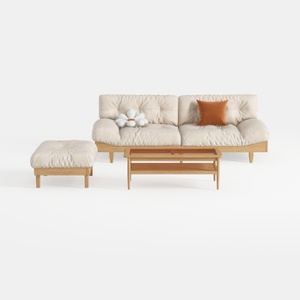
Minimalist Solid Wood Fabric Sofa Ottoman Coffee Table Set 3D Model
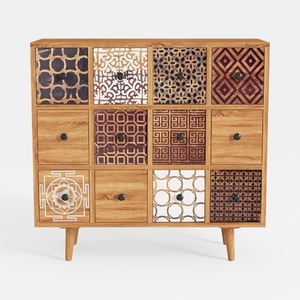
Bohemian Solid Wood Multidrawer Accent Cabinet With Patterned Fronts 3D Model
Discover the joy of home design with Homestyler! This user-friendly platform offers an innovative online design tool, stunning 3D renderings, and a wealth of inspiring design projects and video tutorials. Perfect for both beginners and seasoned creators looking to bring their vision to life!
Design Now for FREE
































